June is a month of anticipation fulfilled. The hungry gap of spring begins to fade as the vegetable plot finds its stride, rewarding months of planning, sowing and tending with the first truly abundant harvests of the year. The garden feels alive with possibility. Leaves unfurl daily, flowers attract busy pollinators and baskets carried into the kitchen become noticeably heavier.
There’s something deeply satisfying about stepping outside and gathering ingredients for supper. June’s harvests are often fresh, tender and bursting with flavour, requiring little more than simple preparation to shine. From crisp salads gathered in the cool of the morning to sweet peas plucked straight from the pod, this is a season that invites us to eat closer to the garden.
Here are some of the vegetables and salad crops at their best this month, along with ways to enjoy them from plot to plate.
Lettuce
June is perhaps the finest month for lettuce. Heads are full and crisp, leaves are tender, and the range of colours and textures can transform even the simplest meal. Whether it’s buttery butterhead varieties, crunchy romaine or frilly loose-leaf types, freshly picked lettuce has a sweetness and freshness that supermarket leaves simply cannot match.
Rich in vitamins A and K, lettuce also provides hydration thanks to its high water content, making it ideal for warmer days.
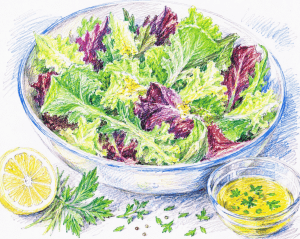
Garden Lettuce with Lemon and Herb Dressing
Ingredients
- 1 large bowl mixed lettuce leaves
- 2 tbsp extra virgin olive oil
- 1 tbsp lemon juice
- 1 tsp honey
- Small handful chopped parsley
- Salt and black pepper
Method
Wash and dry the lettuce leaves carefully. Whisk together the olive oil, lemon juice, honey and parsley. Season to taste. Toss lightly with the leaves just before serving.
Radishes
Pulled straight from the soil, radishes bring colour and peppery crunch to early summer meals. Their vibrant roots brighten salads while the young leaves can also be used in soups and pestos.
Radishes contain vitamin C and beneficial antioxidants, helping to support healthy immune function.
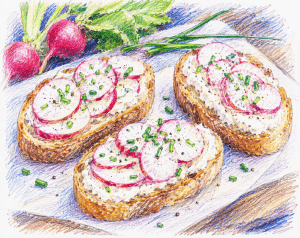
Radish and Cream Cheese Crostini
Ingredients
- 1 baguette, sliced
- 150g cream cheese
- 8–10 radishes, thinly sliced
- Fresh chives
- Black pepper
Method
Toast the baguette slices until golden. Spread generously with cream cheese. Top with sliced radishes, sprinkle with chopped chives and finish with freshly ground black pepper.
Spring Onions
One of the earliest alliums to reach the kitchen, spring onions bring a gentle onion flavour that is fresh rather than overpowering. They add brightness to salads, stir-fries and savoury tarts.
They are a good source of vitamin K and contain beneficial plant compounds associated with heart health.
Spring Onion and Cheddar Omelette

Ingredients
- 4 eggs
- 3 spring onions, finely sliced
- 50g mature cheddar, grated
- 1 tbsp butter
- Salt and pepper
Method
Beat the eggs and season lightly. Melt the butter in a frying pan and cook the spring onions for one minute. Pour in the eggs and cook gently. Sprinkle over the cheese and fold the omelette in half before serving.
Peas
Sweet peas rarely make it all the way to the kitchen. Their sugary flavour encourages gardeners to eat them straight from the pod while still standing among the rows.
Peas are rich in fibre, protein and vitamins C and K, making them both nutritious and satisfying.
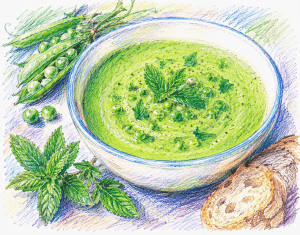
Garden Pea and Mint Soup
Ingredients
- 500g fresh peas
- 1 litre vegetable stock
- Small bunch fresh mint
- 1 onion, chopped
- 1 tbsp olive oil
Method
Gently soften the onion in olive oil. Add the stock and peas and simmer for five minutes. Stir in the mint and blend until smooth. Serve warm with crusty bread.
Broad Beans
June marks the beginning of broad bean season. Their sturdy plants often stand tall and proud, producing pods packed with creamy beans that have a distinctive, earthy flavour.
Broad beans are high in protein, fibre and folate, making them a valuable addition to summer meals.
Broad Bean, Lemon and Parmesan Salad
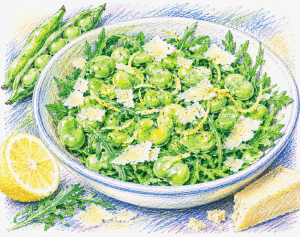
Ingredients
- 400g broad beans, podded
- 40g Parmesan, shaved
- Zest of 1 lemon
- 2 tbsp olive oil
- Handful rocket leaves
Method
Cook the beans in boiling water for three minutes, then cool and remove the outer skins if desired. Toss with rocket, lemon zest, olive oil and Parmesan.
Spinach
Young spinach leaves are wonderfully tender in June. Harvested little and often, the plants continue producing fresh growth throughout the month.
Spinach is renowned for its iron, vitamin K and folate content, contributing to healthy blood and bone function.
Spinach and Garlic Pasta
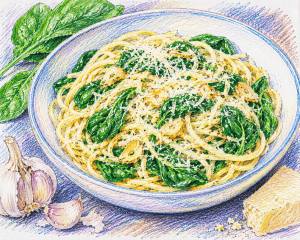
Ingredients
- 300g pasta
- 200g spinach leaves
- 2 garlic cloves, sliced
- 3 tbsp olive oil
- Parmesan to serve
Method
Cook the pasta. Meanwhile, gently cook the garlic in olive oil. Add spinach and stir until wilted. Toss through the drained pasta and finish with Parmesan.
Beetroot
Early beetroot harvested in June is particularly sweet and tender. Both roots and leaves can be enjoyed, offering versatility from garden to kitchen.
Beetroot contains folate, fibre and natural nitrates that may help support healthy circulation.
Roasted Beetroot with Goats’ Cheese
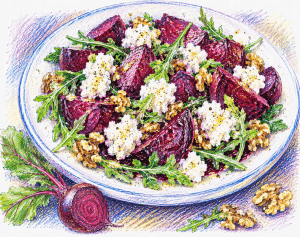
Ingredients
- 4 medium beetroot
- 100g goats’ cheese
- 1 tbsp olive oil
- Small handful walnuts
Method
Roast the beetroot at 200°C until tender. Slice and arrange on a serving plate. Crumble over the goats’ cheese, scatter with walnuts and drizzle with olive oil.
Carrots
The first young carrots of the season are a delight. Their flavour is sweeter and more delicate than mature roots, and they require little preparation beyond a quick wash.
Carrots are rich in beta-carotene, which the body converts into vitamin A for healthy vision and skin.
Honey Glazed Baby Carrots
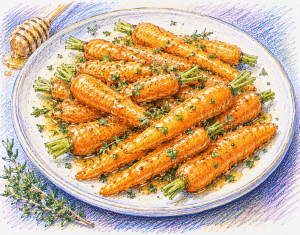
Ingredients
- 500g young carrots
- 1 tbsp butter
- 1 tbsp honey
- Fresh thyme
Method
Cook the carrots until just tender. Melt the butter and honey together in a pan and toss the carrots through until glossy. Finish with thyme leaves.
Swiss Chard
With its colourful stems and generous leaves, Swiss chard is one of the most productive crops in the June garden. It continues producing throughout summer if harvested regularly.
Chard contains vitamins A, C and K as well as valuable minerals including magnesium and potassium.
Swiss Chard and Feta Tart
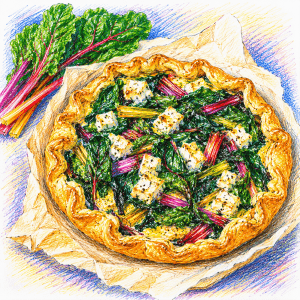
Ingredients
- 1 sheet ready-rolled puff pastry
- 200g Swiss chard
- 100g feta cheese
- 2 eggs
- 100ml cream
Method
Wilt the chard and squeeze out excess moisture. Place on the pastry. Whisk together eggs and cream and pour over. Crumble feta on top and bake at 190°C for 30 minutes.
Rocket
Rocket’s peppery leaves bring character to summer salads and sandwiches. Left to flower, the blooms also attract pollinating insects into the garden.
Rocket provides vitamins A and C and contains beneficial antioxidants.
Rocket, Strawberry and Feta Salad
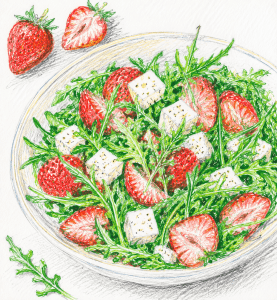
Ingredients
- 100g rocket leaves
- 150g strawberries, sliced
- 75g feta cheese
- 1 tbsp balsamic vinegar
- 2 tbsp olive oil
Method
Arrange the rocket and strawberries in a serving bowl. Crumble over the feta. Whisk together the balsamic vinegar and olive oil and drizzle before serving.
Celebrating June’s Harvest
June reminds us why we grow our own food. Every basket gathered from the garden tells a story that began months earlier with a packet of seeds and a little faith. The flavours are fresher, the colours brighter and the connection between gardener and plate stronger.
As the days stretch towards midsummer and the harvests become more generous, there’s every reason to slow down, savour the season and enjoy the simple pleasure of eating what the garden has provided.
Further Reading: How to Start Your Own Vegetable Patch, How to Plan and Design Your Dream Vegetable Patch, Why Choose Sow It Grow It and Feast for Your Garden?, How to Choose the Perfect Flower Pot for Your Crops, Recipe Garden Pots: Grow a Pimm’s No.1 Garden in One Pot, Recipe Garden Pots: Grow a Green Risotto in One Pot, Recipe Garden Pots: Pizza in One Pot
Follow us on Instagram, Threads, BlueSky, Twitter, Pinterest & Facebook