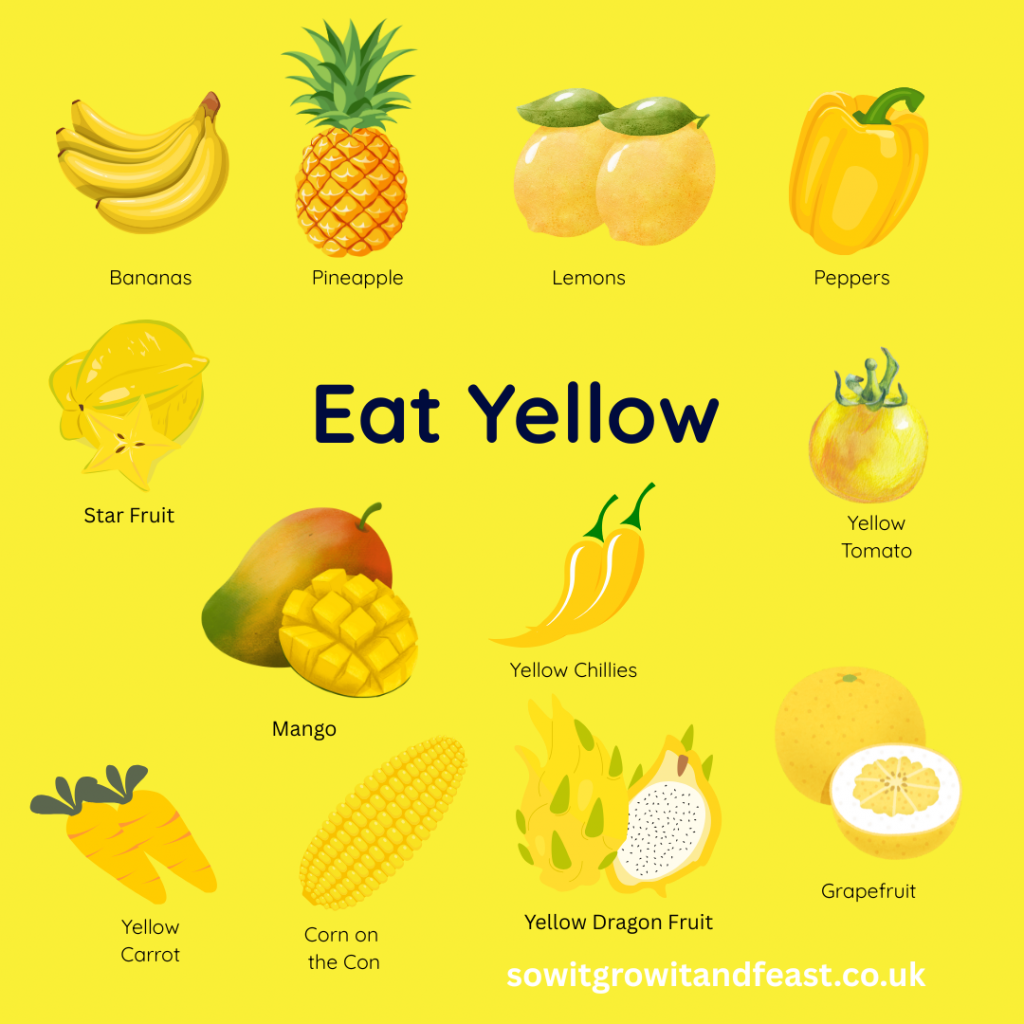
Why Orange Foods Deserve a Place on Your Plate

Have you ever noticed how orange foods seem to radiate warmth and vitality? From the bright glow of carrots to the sunny sweetness of oranges, these vibrant foods do more than just brighten your plate. They’re packed with essential nutrients that can transform your health from the inside out.

Orange fruits and vegetables get their distinctive colour from powerful compounds called carotenoids, particularly beta-carotene. These natural pigments act as antioxidants in your body, protecting your cells from damage while providing a host of health benefits. When you add more orange to your meals, you’re giving your body access to vitamins, minerals and plant compounds that support everything from your immune system to your skin health.

Let’s explore the remarkable ways orange foods can boost your wellbeing and discover which varieties pack the biggest nutritional punch.

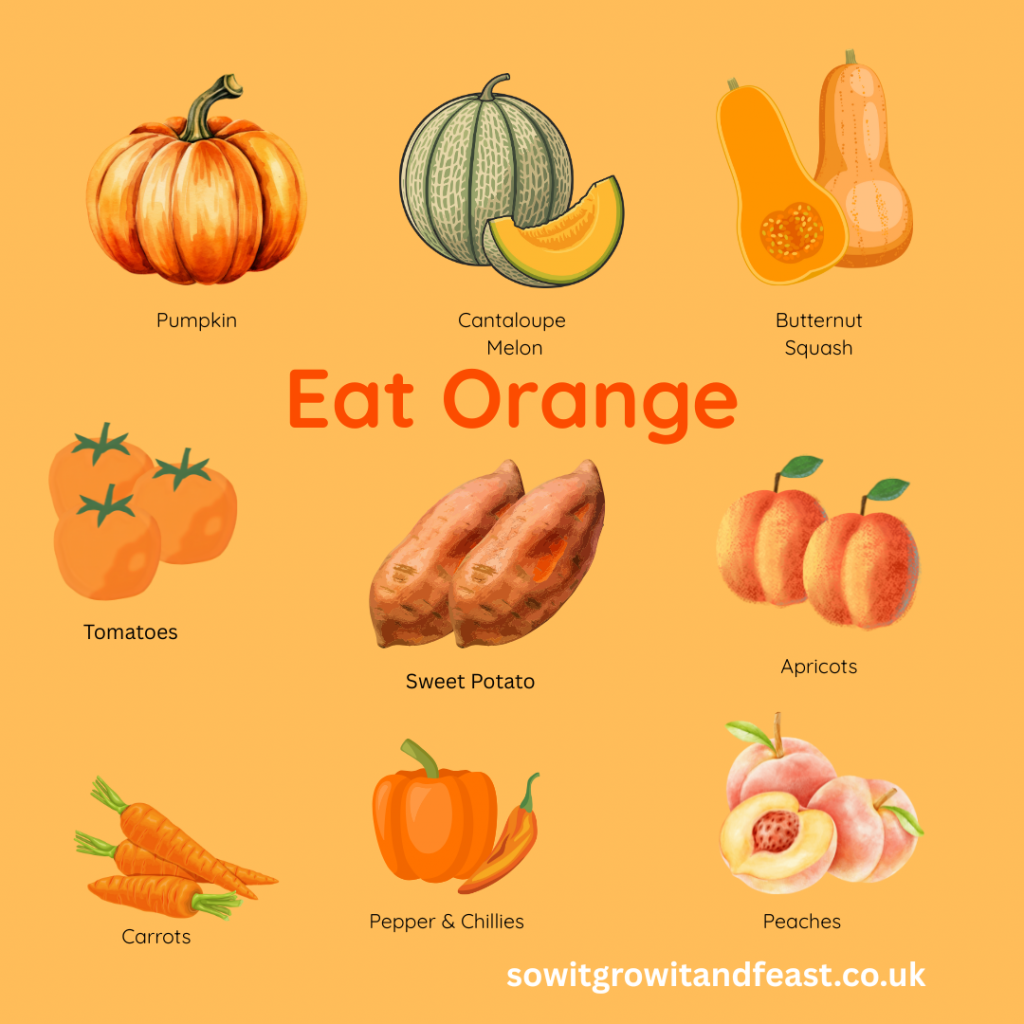
Eat Orange.
Pumpkin, Melon, Butternut Squash, Tomatoes, Sweet Potato, Apricots, Carrots, Pepper, Chillies, Peaches

The Science Behind Orange Foods

What makes orange produce so nutritionally valuable? The answer lies in their rich carotenoid content. Beta-carotene, the most well-known of these compounds, converts to vitamin A in your body—a nutrient essential for vision, immune function and cell growth.

Orange foods also tend to be excellent sources of vitamin C, folate, potassium, and dietary fibre. This combination of nutrients works together to support multiple body systems, making these colourful foods some of the most efficient ways to meet your daily nutritional needs.

Fuel Your Energy Naturally

Feeling sluggish by mid-afternoon? Orange foods can provide the sustained energy your body craves.

Sweet Potatoes are complex carbohydrate powerhouses that release energy slowly into your bloodstream. Unlike sugary snacks that cause energy spikes and crashes, a baked sweet potato provides steady fuel for hours. They’re also rich in B vitamins, which help your body convert food into usable energy.

Oranges and Mandarins offer natural sugars paired with fibre, creating a perfect energy-boosting snack. The vitamin C content also helps your body absorb iron more effectively, combating fatigue at its source.

Butternut Squash delivers complex carbohydrates alongside magnesium, a mineral that plays a crucial role in energy production within your cells.

Boost Your Iron Absorption

Iron deficiency is surprisingly common, especially among women. Orange foods can help your body make the most of the iron in your diet.

Peppers (particularly the orange and yellow varieties) are vitamin C champions. Just half a cup provides more vitamin C than you need in an entire day. Pair them with iron-rich foods like spinach or lentils to dramatically increase iron absorption.

Papaya contains both vitamin C and folate, nutrients that work together to support healthy red blood cell production and prevent anaemia.

Support Your Liver and Natural Detox

Your liver processes everything you eat and drink, working tirelessly to filter toxins from your system. Orange foods provide targeted support for this vital organ.

Carrots contain compounds that stimulate bile production, helping your liver break down fats more efficiently. The beta-carotene also protects liver cells from damage caused by toxins and free radicals.

Turmeric (fresh turmeric root has a beautiful orange colour) contains curcumin, a compound that supports liver detoxification pathways and may help protect against liver damage.

Orange-fleshed Melons like cantaloupe are high in water content and potassium, helping to flush toxins through your kidneys while supporting overall hydration.

Enhance Your Brain Health

Your brain needs specific nutrients to function at its best and orange foods deliver several brain-boosting compounds.

Sweet Potatoes provide steady glucose to fuel your brain, along with choline, which supports memory and cognitive function. The complex carbohydrates help maintain focus throughout the day without the mental fog that comes from blood sugar fluctuations.

Orange-coloured Squashes contain folate, which plays a crucial role in neurotransmitter production. Adequate folate intake is linked to better mood regulation and cognitive performance.

Persimmons (when in season) offer unique antioxidants that may help protect brain cells from age-related damage.

Achieve Radiant, Healthy Skin

Want to glow from within? Orange foods provide the building blocks for healthy, vibrant skin.

Carrots are perhaps the most famous skin-supporting food, and for good reason. Beta-carotene acts as a natural sunscreen from the inside out, helping protect your skin from UV damage. Regular consumption can give your skin a subtle, healthy-looking glow.

Apricots (fresh or dried) provide vitamin A, which promotes cell turnover and helps maintain smooth, youthful-looking skin. They also contain vitamin E, which works alongside vitamin A to protect skin from environmental damage.

Orange Bell Peppers deliver vitamin C essential for collagen production, keeping your skin firm and elastic.

Fight Inflammation Throughout Your Body

Chronic inflammation contributes to numerous health problems, from joint pain to heart disease. Orange foods provide natural anti-inflammatory compounds.

Pumpkin contains alpha and beta-carotene, which have been shown to reduce inflammatory markers in the body. The seeds are also rich in zinc, which supports immune function and wound healing.

Ginger (fresh ginger has orange undertones) contains gingerol, a powerful anti-inflammatory compound that may help reduce muscle soreness and joint pain.

Oranges themselves provide flavonoids like hesperidin, which has anti-inflammatory properties and may help lower blood pressure.

Support Electrolyte Balance

Proper hydration isn’t just about water—you need electrolytes to maintain fluid balance and support muscle function.

Cantaloupe is exceptionally high in potassium, an electrolyte that works with sodium to regulate fluid balance. It’s also about 90% water, making it an excellent choice for hydration.

Orange Juice (in moderation) provides potassium and natural sugars that can help replenish electrolytes after exercise. Choose fresh-squeezed varieties without added sugars.

Promote Internal Cleansing and Beat Bloating

Digestive comfort affects how you feel throughout the day. Several orange foods can help keep your digestive system running smoothly.

Papaya contains papain, an enzyme that helps break down proteins and may reduce bloating after meals. The high water and fibre content also promote regular bowel movements.

Sweet Potatoes provide both soluble and insoluble fibre, feeding beneficial gut bacteria while promoting regularity.

Carrots offer gentle fibre that supports healthy digestion without causing gas or discomfort for most people.

Help Regulate Blood Sugar

Maintaining stable blood sugar levels is crucial for sustained energy and overall health.

Pumpkin has a relatively low glycaemic index despite its natural sweetness. The fibre content helps slow sugar absorption, preventing blood sugar spikes.

Sweet Potatoes release their natural sugars slowly, thanks to their complex carbohydrate structure. This makes them a better choice than regular potatoes for blood sugar management.

Strengthen Your Bones with Natural Calcium

While not the highest sources, some orange foods contribute to your daily calcium needs.

Dried Apricots provide calcium along with other bone-supporting nutrients like potassium and magnesium. They’re also rich in vitamin K, which helps your body use calcium effectively.

Orange-coloured Leafy Greens like certain varieties of chard contain calcium, magnesium, and vitamin K—all essential for bone health.

Start Adding More Orange to Your Plate

Transform your health by embracing the vibrant world of orange foods. Start small by adding one new orange fruit or vegetable to your weekly shopping list. Try roasting butternut squash as a side dish, blending carrots into a smoothie, or snacking on fresh orange segments.

Consider preparing a colourful autumn salad with roasted sweet potato, or experiment with adding turmeric to your morning smoothie. Each orange food you include brings unique benefits, so variety is key to maximising your nutritional intake.

These sunshine-coloured gems and experience the energy, vitality, and wellness they can bring to your daily life. Your body will thank you for every vibrant, nutritious bite.

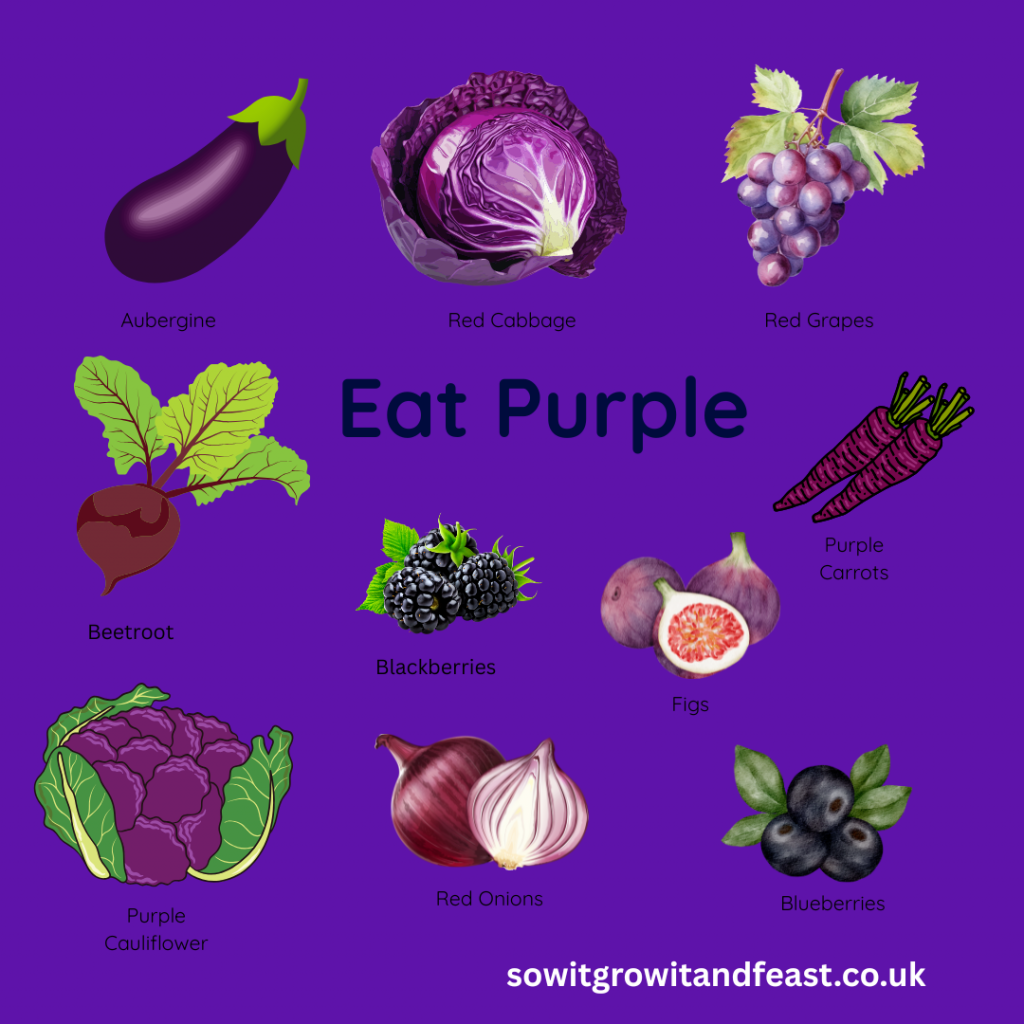
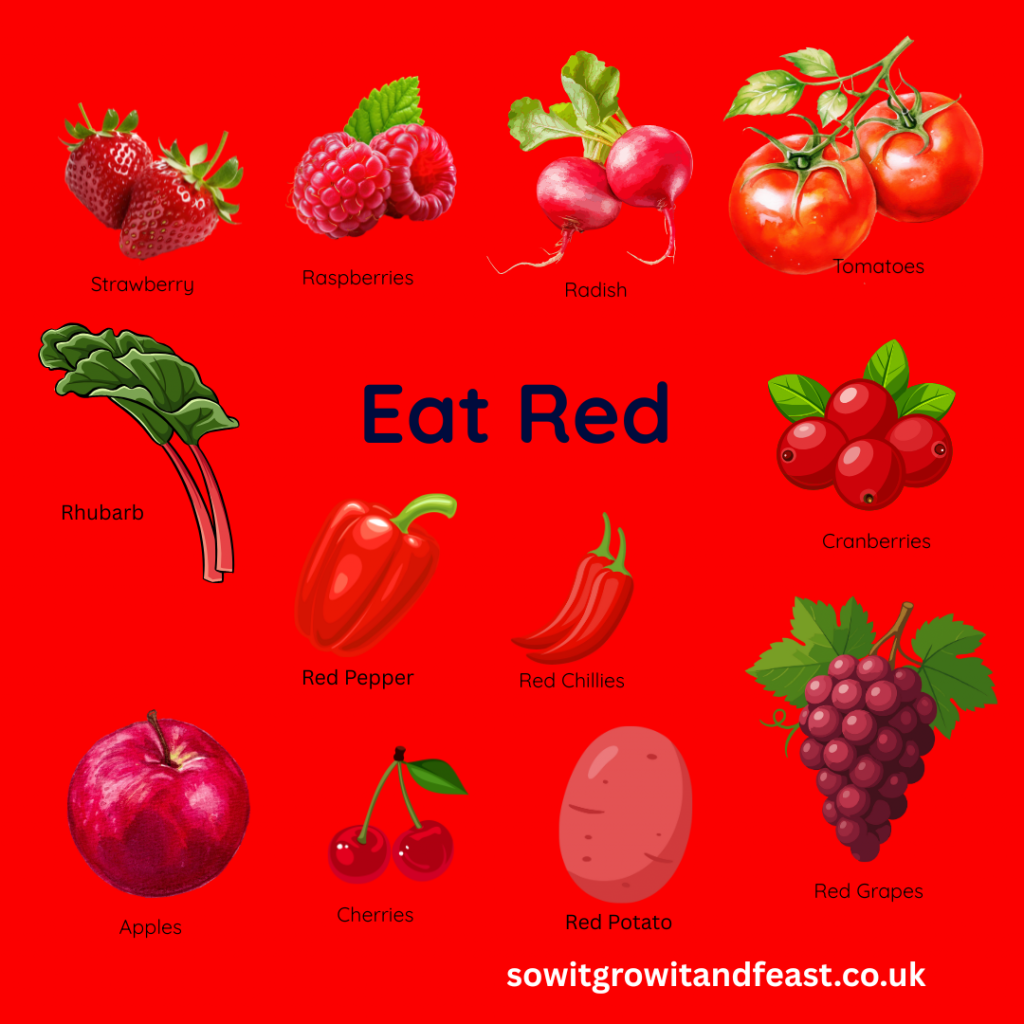
Further Reading: Why You Should Eat More Purple, Why Eating Green Is Good For You, Eat the Rainbow: The Power of Red

Grow Your Own: Best Fruits for Your Garden, The Importance of Growing Your Own Food

How to Grow Herbs for Italian Cooking at Home

Fresh basil in your pesto. A sprinkle of oregano on your pizza. The scent of rosemary wafting from your roast potatoes. These small but mighty herbs hold the essence of Italian cuisine, transforming simple ingredients into mouth-watering dishes bursting with flavour. But have you ever thought about growing them yourself?

Essential Herbs in Italian Cooking

Italian cooking is renowned for its bold, fresh flavours and herbs play a starring role in this. Here’s a list of the most commonly used Italian herbs, their benefits and the dishes they best complement.

Basil

Flavour profile: Sweet with a hint of peppery spice.

Benefits:

  • Contains antioxidants and anti-inflammatory properties.
  • May support healthy digestion.

Used in:

  • Pesto alla Genovese (the classic basil pesto for pasta dishes).
  • Caprese salad (with mozzarella, tomatoes, and a drizzle of olive oil).
  • Margherita pizza.

Oregano

Flavour profile: Earthy, peppery warmth with slight bitterness.

Benefits:

  • An excellent source of vitamin K and antioxidants.
  • Known for its antimicrobial properties.

Used in:

  • Traditional marinara sauce for pasta and pizza.
  • Grilled meats like lamb and chicken.
  • Salad dressings and vinaigrettes for extra depth.

Rosemary

Flavour profile: Pine-like, woody, and slightly floral.

Benefits:

  • Rich in minerals that support brain health.
  • May improve memory and concentration (hence its nickname as the “herb of remembrance”).

Used in:

  • Roasted potatoes and vegetable trays.
  • Italian focaccia bread sprinkled with sea salt and rosemary.
  • Grilled fish recipes such as branzino.

Thyme

Flavour profile: Subtle yet savoury with a floral aroma.

Benefits:

  • Packed with vitamin C which boosts immunity.
  • Antibacterial properties that may support respiratory health.

Used in:

  • Risottos for aromatic depth.
  • Soups and stews such as minestrone.
  • Herb blends like bouquet garni for broths.

Parsley

Flavour profile: Fresh, slightly peppery and clean-tasting.

Benefits:

  • High in vitamins A, C and K.
  • Aids digestion and supports kidney health.

Used in:

  • Gremolata (a bright topping of parsley, garlic and lemon zest).
  • Spaghetti alle vongole (clam pasta).
  • Garnishing soups and pastas for added freshness.

Sage

Flavour profile: Robust, slightly earthy with an almost minty edge.

Benefits:

  • Contains compounds that may help reduce inflammation.
  • Supports oral health and healing.

Used in:

  • Sage and butter sauce for gnocchi.
  • Stuffing for meat dishes like turkey and pork.
  • Tuscan beans or soups for an aromatic boost.

How to Grow These Italian Herbs at Home

You don’t need a large garden or green thumbs to grow these herbs successfully. Many can thrive in small spaces like window sills, balconies or even kitchen counters. Here’s how to get started.

1. Choose the Right Spot

Most Italian herbs love sun-soaked conditions. Select a location that offers at least 6-8 hours of sunlight per day, whether that’s outside or by a bright window. If you’re short on natural light, consider investing in a grow light to keep your herbs thriving indoors.

2. Pick Proper Containers

If you’re growing herbs in pots or containers, ensure proper drainage to avoid waterlogged roots. Terracotta pots are an excellent choice as they naturally allow moisture and air to flow, which helps keep your herbs healthy.

3. Use Quality Soil

Choose a nutrient-rich, well-draining potting mix for your herbs. Some herbs, like rosemary and thyme, prefer sandy soils to mimic their Mediterranean origins, so you can mix in a bit of sand or perlite for these plants.

4. Water Wisely

While herbs like basil thrive with regular watering, others like rosemary prefer dryer soil. The golden rule is to water herbs only when the top inch of soil feels dry to the touch. Avoid overwatering and always ensure your containers have drainage holes.

5. Harvest Regularly

Frequent harvesting doesn’t just supply you with fresh herbs for your kitchen; it also encourages your plants to grow bushier. Snip leaves from the top of the plant to promote healthy regrowth, and avoid cutting more than one-third of the plant at any time.

6. Provide Extra Care for Colder Months

Many Italian herbs are hardy, but some like basil will need a little extra love during winter. Bring tender herbs indoors when temperatures drop, and keep them above 10 degrees Celsius.

Bonus Tips for Beginners

  • Start Small: Grow one or two herbs first, and add more as you gain confidence.
  • Label Your Herbs: Especially if you’re planting multiple types.
  • Blend Edible and Decorative: Many Italian herbs double as lovely ornamental plants for patios and balconies.

Bring the Flavours of Italy into Your Home

Growing your own herbs for Italian cooking is more than just a gardening project; it’s a way to infuse your meals with unbeatable freshness and flavour, all while connecting to centuries of Italian culinary tradition.

Imagine tearing fragrant basil leaves right before blending your homemade pesto or plucking rosemary sprigs to perfectly season your roast potatoes. These small moments bring joy to cooking and deepen your appreciation of the meals you create.

Why not take the first step today? Gather a few pots, some quality soil, and your favourite herb seeds or seedlings. Before long, your home will be brimming with the irresistible scents of Italy. And when it’s time to eat, you’ll taste the difference that homegrown freshness makes.

Further Reading: BBC Good Food Italian Recipes, Grow Herbs for French Cooking

Try our Grow your Own Herb Sets here