Cooking with Fresh Runner Beans

There are few sights that capture the abundance of a summer garden quite like a row of runner beans climbing towards the sky.

Their bright flowers bring colour to the vegetable patch, attracting bees and adding beauty long before the first beans are ready to pick. Then, almost overnight, the harvest begins.

A handful becomes a basketful.

A basketful becomes a gentle reminder to check the plants every day.

Because runner beans have a wonderful habit of appearing when you least expect them. Leave them unattended for too long and you may discover a few have grown into rather impressive specimens, better suited to a garden competition than the dinner plate.

But picked young and cooked simply, fresh runner beans are one of the true pleasures of the summer kitchen.

Tender, crisp and full of flavour, they are a reminder of why growing your own food is so rewarding.

The Joy of Growing Runner Beans

Runner beans have long held a special place in British gardens.

Easy to grow, generous in their harvest and wonderfully reliable, they have been a favourite in kitchen gardens for generations.

Their tall climbing stems make good use of vertical space, making them ideal for smaller gardens as well as traditional vegetable plots.

For many gardeners, runner beans are often one of the first crops they grow successfully.

There is something magical about watching a tiny seed become a vigorous plant, then a flowering climber covered in delicious food ready to harvest.

And unlike some vegetables that require careful timing and attention, runner beans are wonderfully forgiving.

Give them rich soil, plenty of water and something sturdy to climb, and they will reward you generously.

Picking Runner Beans at Their Best

The secret to delicious runner beans is picking them regularly.

Young beans are tender, sweet and full of flavour.

As they grow larger, the seeds inside become more noticeable and the pods can become stringy.

The best time to harvest is when the beans are still slim and before the seeds have fully developed.

A quick check every day or two during the height of summer will keep plants producing well.

Use a sharp knife or simply snap the beans from the plant carefully.

Try not to pull too firmly, as the stems can be easily damaged.

And always remember to look carefully.

There is usually another bean hiding behind the leaves.

Preparing Fresh Runner Beans

Runner beans need a little preparation before cooking, but it is a simple process.

First, wash the beans thoroughly.

Remove both ends and pull away any strings that run along the sides if needed.

Slice them diagonally into pieces, or cut them lengthways into fine strips known traditionally as “French-style” runner beans.

The slicing is worth taking a little time over.

Not only does it improve the texture, but it also helps the beans cook evenly.

Simple Ways to Cook Runner Beans

One of the joys of runner beans is that they do not need complicated recipes.

Fresh from the garden, they already have wonderful flavour.

Buttered Runner Beans with Fresh Herbs

A classic combination that lets the beans shine.

Steam or boil prepared runner beans until tender but still vibrant green. Drain well, then toss with a little butter, sea salt and freshly chopped parsley.

A squeeze of lemon adds brightness and works beautifully with their fresh flavour.

Runner Beans with Garlic and Almonds

For something a little different, gently sauté cooked runner beans with olive oil, sliced garlic and toasted almonds.

The crunch of the nuts pairs beautifully with the tender beans.

Finish with a little lemon zest before serving.

Runner Bean and Tomato Stew

A wonderful way to combine two summer garden favourites.

Cook onions and garlic gently in olive oil before adding chopped tomatoes, herbs and sliced runner beans.

Allow everything to simmer until tender.

Serve with crusty bread to soak up the delicious juices.

Creamy Runner Bean Pasta

Fresh runner beans make a lovely addition to simple pasta dishes.

Combine cooked beans with garlic, crème fraîche or soft cheese, herbs and a little grated Parmesan.

It is an easy midweek meal that celebrates the summer harvest.

Preserving the Harvest

Runner beans are famously generous, and there often comes a point when the garden produces more than you can eat immediately.

This is a wonderful opportunity to preserve some for later.

Freezing Runner Beans

Freezing is one of the easiest ways to enjoy runner beans beyond the summer months.

Prepare and slice the beans as usual, then blanch them in boiling water for a couple of minutes before cooling quickly in cold water.

Drain thoroughly, pack into freezer bags and label clearly.

On colder days, they will bring a welcome reminder of summer.

Pickling Runner Beans

Pickled runner beans are a traditional way of preserving the harvest.

Their crisp texture works beautifully with vinegar, herbs and spices, creating a delicious addition to salads, sandwiches and cold lunches.

Growing Food for the Kitchen Table

There is a special pleasure in cooking with ingredients grown just outside the door.

A supermarket vegetable may simply be an ingredient.

A home-grown runner bean carries memories.

It reminds you of sowing the seed in spring.

The first shoots appearing.

The excitement of seeing flowers develop.

The morning walks through the garden checking what is ready.

Growing food changes the way we cook because it encourages us to notice what is available and make the most of every season.

Getting Children Involved

Runner beans are wonderful crops for children to grow.

The seeds are large enough for small hands to plant easily, and the transformation from seed to climbing plant is fascinating to watch.

Children often enjoy harvesting them too.

There is something irresistible about searching through leaves to find hidden beans.

Growing vegetables helps children understand where food comes from and encourages curiosity about what they eat.

A bean picked from the garden is far more exciting than one simply placed on a plate.

Making the Most of the Season

Runner beans are a reminder that good food does not need to be complicated.

The best ingredients often require the simplest treatment.

Freshly picked beans.

A little butter.

A sprinkle of herbs.

Perhaps a warm loaf of bread alongside.

The garden provides the flavour.

The kitchen simply needs to bring it all together.

A Celebration of Summer’s Abundance

Every vegetable garden has its stars.

For many gardeners, runner beans are one of them.

They are generous, beautiful and wonderfully rewarding.

They fill summer plates with freshness and remind us of the simple pleasure of eating food grown with our own hands.

Whether you grow a few plants in a small space or have rows of beans climbing through the garden, every harvest is worth celebrating.

Because the true joy of runner beans is not only found in the taste.

It is found in the journey.

From seed to plant.

From garden to kitchen.

From careful tending to a meal shared around the table.

And that is the magic of growing your own food.

What to Do with a Glut of Courgettes

Every gardener knows the moment.

You check the vegetable patch one morning and discover that the courgettes you were carefully watching yesterday have somehow transformed overnight into something resembling a small green canoe.

You pick one.

Then another.

Then another.

Before long, you are offering them to neighbours, leaving them on doorsteps and wondering whether there are enough recipes in the world to keep up with your garden’s generosity.

A glut of courgettes is a wonderfully familiar gardening challenge.

And while it may feel overwhelming at first, it is actually one of the loveliest problems to have.

Courgettes are generous plants that reward even beginner gardeners with an impressive harvest. Their bright yellow flowers bring summer colour to the garden, their large leaves create a lush green display and their fruits provide endless opportunities in the kitchen.

The secret is learning how to make the most of them.

Why Courgettes Are Such a Rewarding Crop

Courgettes are often one of the first vegetables people grow, and it is easy to understand why.

They are relatively simple to cultivate, grow quickly and provide a satisfying harvest throughout summer.

A single healthy plant can produce a surprising amount of fruit, especially when picked regularly.

Young courgettes are tender and delicious, with a delicate flavour that works beautifully in everything from simple salads to comforting family meals.

They are also wonderfully versatile.

They can be grilled, roasted, baked, stuffed, spiralised, frozen, pickled and even transformed into cakes.

Few vegetables work quite so hard in the kitchen.

Harvest Courgettes While They Are Young

The best way to manage a courgette glut begins in the garden.

Pick courgettes regularly while they are still small and tender.

Young fruits have a lovely texture, fewer seeds and a delicate flavour.

Checking plants every day or two during the height of summer is worthwhile.

It is amazing how quickly they grow.

A courgette that looked perfectly small on Monday may be considerably larger by the weekend.

Although oversized courgettes are still edible, their flesh can become more watery and the seeds more noticeable. They are often better suited to soups, baking or recipes where they can be grated.

Share the Harvest

One of the joys of growing your own food is that abundance is rarely meant to be enjoyed alone.

A basket of home-grown courgettes makes a thoughtful gift for friends, family or neighbours.

Many gardeners know the familiar exchange of summer harvests:

A handful of courgettes offered in return for apples.

A bunch of herbs swapped for tomatoes.

A jar of homemade chutney shared over a garden gate.

Growing food creates connections as well as meals.

Delicious Ways to Use Courgettes

The beauty of courgettes is their ability to adapt to almost any dish.

Grilled Courgettes with Herbs and Olive Oil

Sometimes the simplest recipes are the best.

Slice young courgettes lengthways, brush with olive oil and grill until lightly charred.

Finish with fresh herbs, lemon juice and a sprinkle of sea salt.

Perfect alongside grilled fish, roasted vegetables or a summer salad.

Courgette Fritters

A wonderful way to use a generous harvest.

Grate courgettes, squeeze out excess moisture and mix with eggs, flour, herbs and seasoning.

Cook spoonfuls in a little oil until golden.

Serve with yoghurt, herbs and a fresh salad for a simple summer lunch.

Creamy Courgette Soup

Courgettes are ideal for making soup because they create a wonderfully smooth texture.

Gently cook onions and garlic before adding sliced courgettes and vegetable stock.

Blend until creamy and finish with fresh herbs or a swirl of cream.

It freezes beautifully, making it perfect for enjoying later in the year.

Courgette and Tomato Bake

Two summer garden favourites come together beautifully.

Layer sliced courgettes with tomatoes, garlic, herbs and cheese before baking until golden.

It is a simple dish that celebrates the season.

Courgette Cake

If you have never tried courgette cake, it is well worth discovering.

Grated courgette adds moisture and softness, rather like carrot cake.

Combined with spices, nuts or a little citrus, it creates a delicious treat that may surprise anyone who is unsure about vegetables in baking.

Preserving Your Courgette Harvest

When the garden is producing faster than you can eat, preserving helps you enjoy the harvest throughout the year.

Freeze Courgettes

Courgettes can be frozen, although they are best used later in cooked dishes.

Grate courgettes, squeeze out excess moisture and freeze in portions ready for soups, fritters or baking.

Alternatively, slice and lightly blanch before freezing.

Make Courgette Chutney

Courgette chutney is a wonderful way to preserve a summer glut.

Combined with onions, apples, vinegar and warming spices, it creates a delicious accompaniment for cheese, cold meats and homemade bread.

A jar opened in winter brings back memories of summer gardens.

Pickled Courgettes

Thinly sliced courgettes can be transformed into a crisp pickle.

They make a lovely addition to sandwiches, salads and sharing boards.

Growing Courgettes for the Future

A courgette glut teaches gardeners an important lesson.

Sometimes nature provides more than expected.

Rather than seeing this as a problem, we can see it as an opportunity.

It encourages us to cook differently.

To share more.

To learn traditional ways of preserving.

To appreciate the generosity of the garden.

Next year, you may plant fewer courgettes.

Or perhaps you will embrace the abundance and plan ahead with a collection of favourite recipes ready for the harvest.

Most gardeners choose the second option.

After all, there is something rather wonderful about a vegetable that tries so hard to feed you.

Courgettes and Seasonal Eating

A glut of courgettes is a reminder that food has its own rhythm.

For a short time, the garden gives us exactly what we need.

The shops may offer courgettes all year round, but they never quite taste the same as those picked fresh on a warm summer morning.

Seasonal eating encourages us to enjoy food when it is naturally at its best.

It asks us to slow down, appreciate what is available and make the most of each moment in the growing year.

Celebrating the Courgette

Courgettes may not have the glamour of a perfectly ripe tomato or the romance of a basket of strawberries, but gardeners know their true value.

They are reliable.

Generous.

Full of possibility.

They turn a simple meal into a celebration of the season.

So the next time you discover another courgette hiding beneath the leaves, don’t sigh.

Pick it proudly.

Bring it into the kitchen.

Try something new.

And enjoy the wonderful feeling of having grown something so generous that the only challenge is deciding what delicious thing to do with it next.

Further Reading: From Plot to Plate: The Surprising Benefits of Growing Your Own Food, Grow Your Own Food: Save Money & Eat Well, How to Grow for Flavour: Essential Techniques for Maximum Taste, Warming Autumn Soups to Soothe the Soul, From Garden to Oven: Autumn Vegetable Bakes for the Family

Follow us on InstagramThreadsBlueSkyTwitterPinterest & Facebook

Not sure where to start? Take a look at our Grow Your Own Packs with detailed step by step instructions, seeds and 1 years online support.

Garden-to-Table Family Meals

There is something deeply satisfying about preparing a meal with ingredients gathered from the garden.

A bowl of freshly picked tomatoes sitting on the kitchen table.

A handful of herbs still carrying the scent of the morning sun.

Beans collected just before supper.

A basket of vegetables that tells the story of the season.

These are the ingredients that make family meals feel special.

Not because they are complicated.

Not because they require hours of preparation.

But because they carry a connection.

From the moment a seed is sown to the moment food is shared around the table, growing your own creates a journey that brings families closer to nature, food and one another.

Garden-to-table cooking is about making the most of what is available, celebrating seasonal ingredients and remembering that some of the best meals are often the simplest.

The Joy of Growing Food for Your Family

For many gardeners, the greatest reward is not simply the harvest itself.

It is seeing someone enjoy the food you have grown.

A child proudly picking peas for dinner.

A partner discovering that home-grown tomatoes really do taste different.

A family gathering around a meal knowing that some of the ingredients began life as tiny seeds.

Growing food creates stories.

Every crop has a journey.

The potatoes dug from the soil remind you of planting day.

The strawberries bring back warm summer mornings.

The herbs growing beside the kitchen door become part of everyday cooking.

Food becomes more than something we eat.

It becomes something we experience.

Start with What the Garden Gives You

The beauty of garden-to-table meals is that they do not require a strict plan.

The garden often decides.

Perhaps there are plenty of courgettes ready to harvest.

Maybe the runner beans have reached their peak.

Perhaps the tomatoes are finally ripening faster than you can eat them.

Instead of asking, “What recipe should I make?”, try asking:

“What is ready today?”

This simple change encourages creativity and helps us cook more seasonally.

A garden does not provide identical ingredients every week.

And that is part of its charm.

Simple Family Meals from the Garden

The best garden recipes are often those that allow fresh ingredients to shine.

Summer Vegetable Pasta

A simple pasta dish can become a celebration of the garden.

Gently cook onions and garlic with courgettes, tomatoes, peppers and fresh herbs.

Toss through cooked pasta and finish with grated cheese or a drizzle of olive oil.

It is quick, colourful and perfect for busy family evenings.

The vegetables do not need to be hidden.

They are the star of the meal.

Homemade Vegetable Soup

Soup is one of the most forgiving ways to use home-grown produce.

Carrots, potatoes, courgettes, beans, leeks and herbs can all find their way into a comforting bowl.

The recipe can change throughout the year.

Spring brings fresh greens.

Summer offers courgettes and tomatoes.

Autumn provides pumpkins and root vegetables.

A good vegetable soup tells the story of the garden.

Garden Pizza Night

Growing your own ingredients can make family meals feel like an occasion.

Prepare simple pizza bases and let everyone add their favourite toppings.

Fresh basil.

Home-grown tomatoes.

Roasted vegetables.

A sprinkle of herbs.

Children especially enjoy choosing ingredients they have helped grow.

A meal becomes an activity as well as something to eat.

Jacket Potatoes with Garden Toppings

Sometimes the simplest meals are the most comforting.

A freshly baked potato topped with herbs, salad leaves, beans, cheese or home-grown vegetables makes a satisfying family supper.

The garden provides endless possibilities.

Cooking with Children

Garden-to-table meals are a wonderful way to involve children in food.

A child who has grown something is often far more curious about trying it.

Growing peas and eating them straight from the pod.

Picking strawberries before they reach the kitchen.

Washing freshly harvested carrots.

These small experiences create lasting memories.

Gardening teaches patience, but cooking teaches creativity.

Together, they help children understand that food does not simply appear on a plate.

It begins with care.

Making the Most of Seasonal Harvests

A productive garden often provides more than can be eaten immediately.

This is where simple kitchen skills become invaluable.

Freeze herbs for winter meals.

Turn tomatoes into sauces.

Make chutneys from surplus vegetables.

Preserve fruit for colder months.

These traditions allow the garden to continue feeding the family long after the growing season changes.

There is something wonderfully comforting about opening a jar of homemade chutney in winter and remembering the summer garden it came from.

Eating with the Seasons

One of the greatest pleasures of growing your own food is learning to eat with nature rather than against it.

Spring offers tender leaves, herbs and fresh greens.

Summer brings colourful abundance.

Autumn provides harvests to store and preserve.

Winter encourages warming soups, stews and slow-cooked meals.

Seasonal eating does not mean every meal needs to be planned around the garden.

It simply means noticing what is available and enjoying food when it is naturally at its best.

The Benefits Go Beyond the Plate

Garden-to-table meals nourish more than our bodies.

They create moments of connection.

Time spent outdoors.

Conversations while preparing food.

Shared meals around the table.

A slower pace.

In a busy world, growing and cooking food gives families a reason to pause.

The garden becomes a place where memories are made.

Using Every Part of the Harvest

A garden teaches us not to waste.

Carrot tops can become pesto.

Herbs can be frozen.

Vegetable scraps can feed the compost.

Overgrown vegetables can become soups, sauces or preserves.

This approach connects us with older traditions where every part of the harvest was valued.

Nothing was taken for granted.

Creating Your Own Family Food Tradition

Every family garden develops its own favourites.

Perhaps it becomes a tradition to eat the first strawberries outside in the sunshine.

Maybe summer evenings always include fresh salad from the garden.

Perhaps autumn means making apple crumble together.

These moments are not about perfect gardens or elaborate meals.

They are about connection.

The garden provides the ingredients, but families create the memories.

From Seed to Supper

The journey from garden to table is a simple but powerful one.

A seed planted in spring becomes part of a family meal months later.

A small act of gardening becomes a shared experience.

A vegetable becomes a memory.

And that is the true joy of growing your own food.

It is not only about what we harvest.

It is about the time spent caring for something, the lessons learned along the way and the moments created when we sit down together to enjoy the results.

Because the finest garden-to-table meals are not measured by perfection.

They are measured by the stories they carry.

And there is no better story than one that begins with a seed and ends with a family gathered around the table.

Further Reading: From Plot to Plate: The Surprising Benefits of Growing Your Own Food, Grow Your Own Food: Save Money & Eat Well, How to Grow for Flavour: Essential Techniques for Maximum Taste, Warming Autumn Soups to Soothe the Soul, From Garden to Oven: Autumn Vegetable Bakes for the Family

Follow us on InstagramThreadsBlueSkyTwitterPinterest & Facebook

Not sure where to start? Take a look at our Grow Your Own Packs with detailed step by step instructions, seeds and 1 years online support.

From Vegetable Plot to Plate in July

There is a particular kind of satisfaction that belongs only to July.

The garden has finally found its stride. The patient sowing of spring, the careful watering through early summer and the endless battle against weeds suddenly begin to feel worthwhile. Every visit to the vegetable patch offers another surprise. A courgette that seemed too small yesterday is suddenly ready to pick. The first beans dangle beneath leafy vines. Tomatoes begin to blush from green to red, and potatoes that have quietly grown beneath the soil reveal themselves like buried treasure.

July is generous.

Unlike the hungry gap of spring, when every harvest feels precious, midsummer rewards the gardener with abundance. Meals become lighter, fresher and more colourful, often travelling no further than the distance between the garden gate and the kitchen table.

Here are some of the finest crops that truly begin their season during July, together with their nutritional benefits, ideas for enjoying them and the best ways to store your harvest.


1. Courgettes

Perhaps no vegetable captures the spirit of July quite like the humble courgette.

One day they seem barely noticeable beneath their broad leaves, and the next they have doubled in size overnight. Picked young, when they are around 15–20cm long, they are tender, sweet and remarkably versatile.

Many gardeners joke that July is the month they quietly leave bags of courgettes on neighbours’ doorsteps.

Nutritional highlights

Courgettes are naturally low in calories while providing:

  • Vitamin C to support the immune system
  • Vitamin A for healthy eyesight
  • Potassium for heart and muscle function
  • Fibre to aid digestion
  • Antioxidants including lutein and zeaxanthin

From plot to plate

One of the simplest pleasures is to slice courgettes lengthways, brush lightly with olive oil and grill until lightly charred before finishing with lemon zest, thyme and crumbled feta.

They also work beautifully in:

  • Courgette fritters
  • Summer pasta dishes
  • Ratatouille
  • Soups
  • Chocolate courgette cake

Storing your harvest

Fresh courgettes keep well in the salad drawer of the refrigerator for around a week. They can also be grated and frozen for soups, cakes and winter casseroles.


2. French Beans and Runner Beans

July marks the beginning of one of the most productive harvests of the gardening year.

Beans seem to appear almost overnight and, when picked regularly, reward you with weeks of continuous cropping.

The secret is never to allow pods to become old and stringy. Frequent harvesting encourages the plants to produce even more flowers.

Nutritional highlights

Beans provide:

  • Plant-based protein
  • Fibre for gut health
  • Folate
  • Vitamin C
  • Iron
  • Magnesium
  • Vitamin K

From plot to plate

Fresh beans need very little.

Steam for just a few minutes before tossing with butter, chopped parsley and toasted almonds.

They are also excellent in:

  • Warm potato salads
  • Stir-fries
  • Bean casseroles
  • Nicoise salad
  • Homemade pickles

Storing your harvest

Store unwashed beans in the fridge for up to one week. They freeze exceptionally well after blanching for two to three minutes.


3. Beetroot

Few vegetables feel more rewarding to pull from the soil than beetroot.

Each deep crimson globe emerges coated in earth, hiding the jewel-like colour beneath. Even the leaves are edible and delicious.

Young beetroot is wonderfully sweet and lacks the earthy intensity of larger roots.

Nutritional highlights

Beetroot contains:

  • Folate
  • Potassium
  • Manganese
  • Vitamin C
  • Dietary fibre
  • Natural nitrates that may support healthy circulation and exercise performance

From plot to plate

Roasting transforms beetroot into something almost caramel-like.

Serve with goat’s cheese, walnuts and rocket, or blend into:

  • Beetroot hummus
  • Summer salads
  • Homemade burgers
  • Borscht
  • Beetroot brownies

Storing your harvest

Twist off the leaves rather than cutting them to reduce bleeding.

Store roots in a cool place for several weeks, or pickle them for a traditional pantry favourite.


4. Maincrop Potatoes

There is something almost magical about lifting potatoes.

You push a fork gently beneath the soil and suddenly discover dozens of smooth, golden tubers hidden beneath the surface.

Freshly dug potatoes bear little resemblance to those bought in supermarkets. Their skins are delicate, their flavour sweeter and their texture wonderfully creamy.

Nutritional highlights

Potatoes provide:

  • Vitamin C
  • Vitamin B6
  • Potassium
  • Fibre (particularly when skins are eaten)
  • Complex carbohydrates for sustained energy

From plot to plate

Simply steam or boil before tossing in butter, mint and garden parsley.

Other favourites include:

  • Potato salad
  • Homemade wedges
  • Dauphinoise potatoes
  • Bubble and squeak
  • Herb-roasted potatoes

Storing your harvest

Allow potatoes to dry briefly before storing them somewhere cool, dark and well ventilated. Never refrigerate them, as cold temperatures alter their natural sugars.


5. Tomatoes

Few gardeners can resist checking tomato plants every morning once July arrives.

One day the fruit is green. A few days later the first scarlet, golden or striped tomatoes are ready to pick.

Sun-warmed tomatoes eaten straight from the vine remain one of gardening’s greatest pleasures.

Nutritional highlights

Tomatoes contain:

  • Vitamin C
  • Potassium
  • Vitamin K
  • Folate
  • Lycopene, a powerful antioxidant linked with heart health

From plot to plate

Fresh tomatoes barely need preparation.

Enjoy them with basil, mozzarella and olive oil or use them in:

  • Bruschetta
  • Homemade tomato soup
  • Pasta sauces
  • Gazpacho
  • Oven-roasted tomatoes

Storing your harvest

Never refrigerate ripe tomatoes if possible. Keep them at room temperature to preserve both flavour and texture.

Surplus tomatoes freeze well or can be made into passata.


6. Broad Beans

Although the first pods appear earlier, July is often when broad beans reach their peak.

Young beans are beautifully sweet, while slightly older beans benefit from being double-podded to reveal their vibrant green centres.

Nutritional highlights

Broad beans offer:

  • Protein
  • Fibre
  • Folate
  • Iron
  • Magnesium
  • Potassium

From plot to plate

Broad beans pair wonderfully with mint, lemon and pecorino cheese.

Try them in:

  • Risotto
  • Pasta
  • Summer salads
  • Bean purée
  • Vegetable tarts

Storing your harvest

Beans can be frozen after blanching or dried once mature for winter cooking.


7. Cucumbers

July’s warmth finally delivers crisp, refreshing cucumbers in abundance.

Harvest little and often before they become overly mature, when seeds begin to develop.

Nutritional highlights

Cucumbers provide:

  • Vitamin K
  • Vitamin C
  • Potassium
  • Hydration, being over 95% water
  • Small amounts of magnesium and antioxidants

From plot to plate

Perfect sliced into salads, but also delicious:

  • Pickled
  • Added to tzatziki
  • Mixed into chilled soups
  • Layered in sandwiches
  • Infused into summer drinks

Storing your harvest

Keep cucumbers refrigerated and use within a week. Home-grown cucumbers are generally more delicate than shop-bought varieties.


8. Sweetcorn

The arrival of sweetcorn signals that high summer has truly arrived.

Timing is everything. Pick cobs just as the silks begin to brown and the kernels release a milky liquid when gently pressed.

The natural sugars begin turning to starch almost immediately after picking, making home-grown sweetcorn exceptionally sweet.

Nutritional highlights

Sweetcorn contains:

  • Fibre
  • Vitamin B1
  • Vitamin C
  • Folate
  • Magnesium
  • Natural antioxidants including lutein and zeaxanthin

From plot to plate

Boil for just a few minutes before serving with butter and black pepper.

Sweetcorn is also excellent in:

  • Chowder
  • Mexican salads
  • Fritters
  • Barbecue dishes
  • Homemade salsa

Storing your harvest

Eat as soon as possible after picking for the sweetest flavour. Sweetcorn freezes exceptionally well after blanching.


The Joy of July

The beauty of July lies not simply in the quantity of food the garden provides, but in its immediacy.

There is a quiet pleasure in gathering supper while the evening sun still hangs low in the sky. A handful of beans, a basket of tomatoes, a freshly dug potato and a courgette picked moments before cooking remind us that food need not travel hundreds of miles to taste extraordinary.

Gardening teaches patience, but July rewards it generously. Every meal becomes a celebration of the season, every harvest a reminder that some of life’s richest pleasures are grown slowly, tended carefully and shared around the table.

Further Reading: Wonderful Ways to Use Fresh Garden Peas, Grow Your Own Food: Save Money & Eat Well

Follow us on InstagramThreadsBlueSkyTwitterPinterest & Facebook

Not sure where to start? Take a look at our Grow Your Own Packs with detailed step by step instructions, seeds and 1 years online support.



Growing Peas: A Favourite for the Kitchen Garden

There is something wonderfully reassuring about a row of peas climbing skywards in the vegetable garden.

Long before tomatoes swell on the vine or beans begin their summer abundance, peas are often among the first crops to offer a generous harvest. Their delicate tendrils curl around supports with surprising determination, their white flowers dance in the breeze, and hidden amongst the foliage hang plump green pods waiting to be discovered.

For many gardeners, peas are woven into childhood memories. They are the vegetables picked and eaten straight from the plant, their sweet flavour enjoyed long before they ever reach the kitchen. Few crops reward both gardener and cook quite so generously.

Easy to grow, productive and packed with goodness, peas have earned their place in British gardens for centuries. Whether you have a sprawling allotment, a modest vegetable patch or a few containers on a patio, there is something deeply satisfying about growing your own peas.

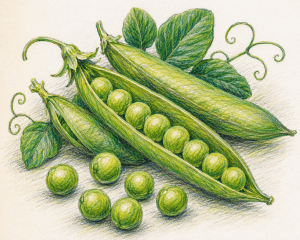
sketch of peas in a pod

A Vegetable with an Ancient Story

Peas have one of the oldest histories of any cultivated vegetable.

Members of the legume family, alongside beans, lentils and chickpeas, peas have been grown for thousands of years. Archaeological evidence suggests they were cultivated long before the rise of the Roman Empire, providing a reliable source of nourishment across Europe and Asia.

The humble pea belongs to the botanical family Fabaceae, one of the largest and most important plant families in the world. Its full botanical name, Pisum sativum, translates simply as “cultivated pea”.

For much of history, peas were grown primarily for drying and storing. Fresh peas as we know them today became fashionable during the seventeenth century, when the aristocracy developed a taste for young green peas picked before maturity.

In Britain, peas quickly became a kitchen garden staple. Estate gardens, cottage plots and monastery grounds all grew peas as an important source of food throughout the year.

Their popularity has never faded.

Why Peas Deserve a Place in Every Garden

Peas offer far more than a delicious harvest.

Like other legumes, they perform a valuable service beneath the soil. Their roots work alongside beneficial bacteria that capture nitrogen from the atmosphere and convert it into a form plants can use. This natural process helps enrich the soil, making peas an excellent crop within a rotation system.

They are also relatively quick to mature, allowing gardeners to harvest produce within a matter of weeks.

For families, peas can be one of the most rewarding crops to grow. Children are often fascinated by the pods and delighted by the sweetness of freshly picked peas. In many gardens, more peas are eaten during harvesting than ever make it indoors.

The Nutritional Benefits of Fresh Peas

Fresh peas may be small, but they are surprisingly nutritious.

They provide a valuable source of plant protein, dietary fibre and slow-release carbohydrates. Rich in vitamins C and K, they also contain folate, iron and a range of antioxidants.

Unlike many vegetables, peas offer a satisfying combination of sweetness and substance, helping meals feel both nourishing and filling.

Freshly harvested peas are particularly prized because their natural sugars begin converting into starch shortly after picking. This is why garden peas often taste noticeably sweeter than those purchased from a supermarket shelf.

The closer they are to harvest, the better they taste.

Choosing the Right Variety

One of the pleasures of growing peas is the variety available.

Some gardeners prefer traditional garden peas, shelled before eating. Others favour mangetout, where the entire pod is enjoyed while still young and tender.

Sugar snap peas offer the best of both worlds, combining sweet peas with crisp edible pods.

For a longer harvest, many gardeners grow a mixture of varieties:

  • Early peas for the first harvests of spring.
  • Maincrop peas for abundance through early summer.
  • Mangetout for regular picking.
  • Sugar snaps for salads and stir-fries.

By staggering sowings, it is possible to enjoy peas for many weeks.

How to Grow Peas Successfully

Peas are often considered one of the easiest vegetables to grow, yet a few simple techniques can dramatically improve your success.

Choosing the Right Site

Peas thrive in an open, sunny position, although they will tolerate light shade.

They prefer fertile, moisture-retentive soil that drains freely. Before sowing, enrich the ground with well-rotted compost or organic matter.

Avoid overly dry soils, which can restrict growth and reduce yields.

Sowing Seeds

In most parts of the UK, peas can be sown from March onwards once the soil begins to warm.

Many gardeners make successive sowings every few weeks until early summer, ensuring a continuous harvest.

Seeds are usually sown:

  • 5cm deep
  • Around 5cm apart
  • In rows approximately 45cm apart

Some gardeners start peas in gutters or modules indoors before transplanting them outside, particularly where mice or birds are known to steal freshly sown seeds.

Providing Support

One of the delights of peas is watching them climb.

Even dwarf varieties benefit from support, while taller varieties will require sturdy structures.

Traditional supports include:

  • Hazel pea sticks
  • Bamboo canes
  • Netting
  • Willow frameworks

The tendrils naturally seek out nearby supports, creating attractive green walls covered in flowers and pods.

Watering and Feeding

Peas appreciate consistent moisture, particularly when flowering and forming pods.

Allowing plants to dry out at this stage can reduce yields significantly.

Once established, peas rarely require heavy feeding, particularly if the soil has been improved beforehand.

Harvesting

Regular harvesting is the secret to productive pea plants.

The more often pods are picked, the more flowers the plant produces.

Most peas are ready when pods feel full but before they become swollen and tough.

A morning walk through the vegetable patch with a basket in hand often becomes a daily ritual during peak season.

Old Sayings and Garden Wisdom

Like many traditional crops, peas have inspired their fair share of gardening folklore.

One old saying advises:

“Sow peas on St Patrick’s Day and you’ll have peas by July.”

While the British weather does not always follow the calendar quite so neatly, the saying reflects the traditional timing for spring sowing.

Another piece of garden wisdom suggests:

“The first pea in the pot is worth two in the garden.”

This speaks to the temptation many gardeners feel to harvest their crop as soon as the first pods appear.

Perhaps the most enduring belief is that peas should be sown when the soil is ready rather than according to a specific date.

Generations of gardeners have discovered that patience often brings greater rewards than rushing.

Common Problems and How to Avoid Them

Even reliable crops encounter occasional challenges.

Birds are often attracted to young seedlings and may pull them from the soil. Netting or protective cloches can help until plants become established.

Slugs may also target young growth, particularly during wet weather.

Powdery mildew sometimes develops later in the season, especially during dry periods. Regular watering and good spacing between plants can reduce the risk.

Fortunately, peas are generally resilient and recover well when given favourable conditions.

A Harvest to Savour

There are few sights more satisfying than a basket filled with freshly picked peas.

Their season may be relatively brief, but perhaps that is part of their appeal.

For a few weeks each summer, they offer a sweetness and freshness that simply cannot be matched. Whether scattered through a salad, stirred into a risotto or enjoyed straight from the pod while standing amongst the plants, peas remind us why growing our own food is such a pleasure.

They ask for little, give generously and leave the soil richer than they found it.

In many ways, they embody the very best of the kitchen garden: simple, productive and deeply rewarding.

And once you have tasted a pea warmed by the sun and picked moments before eating, it becomes very difficult to settle for anything less.

Further Reading: From Vegetable Plot to Plate in JuneSavouring June: Seasonal Ingredients to Enjoy This MonthWhat to Forage in JuneThe June Garden: Roses, Foxgloves and the Romance of Early SummerWhat to Harvest in June from the Vegetable Garden, Wonderful Ways to Use Fresh Garden Peas

Follow us on InstagramThreadsBlueSkyTwitterPinterest & Facebook

Not sure where to start? Take a look at our Grow Your Own Packs with detailed step by step instructions, seeds and one years online support.

Wonderful Ways to Use Fresh Garden Peas

There is something rather magical about picking peas on a June morning.

The plants, once delicate seedlings, are now climbing confidently up their supports, their tendrils reaching out in every direction. Hidden amongst the foliage hang plump green pods, waiting to be discovered. Snap one open and you’ll find a neat row of sweet, emerald-green pearls inside.

Few vegetables reward patience quite like peas. Unlike shop-bought varieties that may have travelled miles before reaching the kitchen, freshly picked peas offer a sweetness that can be astonishing. Their sugars begin converting to starch almost immediately after harvesting, which is why peas eaten straight from the pod often taste so remarkably fresh.

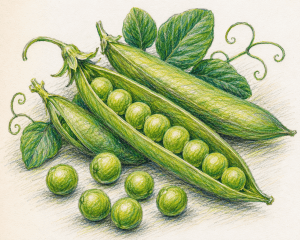
Colouring pencil sketch of peas in a pod.

For many gardeners, peas rarely make it as far as the kitchen. They are eaten while wandering between rows, one pod after another, enjoying the simple pleasure of produce at its very best.

Yet a productive pea patch often provides far more than can be eaten fresh in a single sitting. Fortunately, peas are wonderfully versatile and can be enjoyed in countless ways throughout the summer and beyond.

Harvesting and Storing Fresh Peas

Peas are usually ready for harvesting from early June onwards, depending on when they were sown and the variety grown.

The best pods feel full and firm but not overly swollen. If left too long, peas can become starchy and lose some of their sweetness. Regular picking encourages plants to continue producing, often extending the harvest for several weeks.

Once picked, peas are best prepared as soon as possible. If you cannot use them immediately, store the pods in the refrigerator for up to three days.

For longer storage, freezing is an excellent option.

Simply:

  1. Shell the peas.
  2. Blanch them in boiling water for 90 seconds.
  3. Transfer immediately into iced water.
  4. Drain thoroughly.
  5. Freeze in containers or freezer bags.

Frozen peas retain much of their flavour, colour and nutritional value, allowing you to enjoy a taste of summer well into winter.

1. Fresh Pea and Mint Soup

Perhaps no dish captures the flavour of early summer quite like pea and mint soup.

The sweetness of the peas combines beautifully with the freshness of mint, creating a vibrant bowl that tastes of the garden itself.

Ingredients

  • 500g freshly shelled peas
  • 1 onion, finely chopped
  • 1 litre vegetable stock
  • Small handful of fresh mint leaves
  • 1 tablespoon butter
  • Salt and black pepper

Method

  1. Melt the butter in a saucepan and gently soften the onion.
  2. Add the peas and stock.
  3. Simmer for 10 minutes.
  4. Stir in the mint.
  5. Blend until smooth.
  6. Season to taste and serve warm.

A swirl of cream or a few whole peas scattered on top makes a lovely finishing touch.

2. Garden Pea Risotto

A creamy risotto allows fresh peas to take centre stage.

The sweetness of the peas balances beautifully with the richness of the rice, creating a comforting yet elegant dish.

Ingredients

  • 300g Arborio rice
  • 1 litre warm vegetable stock
  • 1 onion, finely diced
  • 300g fresh peas
  • 50g grated Parmesan
  • 25g butter
  • Olive oil

Method

  1. Gently cook the onion in olive oil until softened.
  2. Add the rice and stir for two minutes.
  3. Add the stock gradually, stirring frequently.
  4. After about 15 minutes, stir in the peas.
  5. Continue cooking until the rice is tender.
  6. Remove from the heat and stir through the butter and Parmesan.

Serve immediately with extra Parmesan if desired.

3. Crushed Peas on Toast

Simple dishes often showcase fresh ingredients best.

This quick lunch celebrates the natural sweetness of garden peas while requiring very little preparation.

Ingredients

  • 300g peas
  • 1 tablespoon olive oil
  • Juice of half a lemon
  • Fresh mint
  • Thick slices of crusty bread
  • Salt and pepper

Method

  1. Cook the peas for three minutes in boiling water.
  2. Drain and roughly crush with a fork.
  3. Stir through the olive oil, lemon juice and chopped mint.
  4. Season well.
  5. Spoon generously onto toasted bread.

Delicious served warm on a summer afternoon.

4. Pea, Broad Bean and Herb Salad

When the vegetable garden is at its most productive, simple salads become a celebration of the season.

Ingredients

  • 250g peas
  • 250g broad beans
  • Fresh parsley
  • Fresh chives
  • Olive oil
  • Lemon juice
  • Salt and pepper

Method

  1. Cook the peas and broad beans briefly until tender.
  2. Refresh in cold water.
  3. Toss with chopped herbs.
  4. Dress lightly with olive oil and lemon juice.
  5. Season and serve.

This salad pairs beautifully with grilled fish, roasted vegetables or a summer picnic.

5. Creamy Pea Pasta

Fresh peas create a surprisingly luxurious pasta sauce.

Their sweetness and bright colour make this a family favourite during the height of the growing season.

Ingredients

  • 400g pasta
  • 350g peas
  • 150ml crème fraîche
  • 1 garlic clove, crushed
  • Parmesan cheese
  • Black pepper

Method

  1. Cook the pasta according to the packet instructions.
  2. Boil the peas for three minutes.
  3. Blend half the peas with the crème fraîche and garlic until smooth.
  4. Stir the sauce into the drained pasta.
  5. Add the remaining whole peas.
  6. Finish with Parmesan and black pepper.

Simple, satisfying and packed with fresh summer flavour.

A Harvest Worth Savouring

Peas are one of the great pleasures of the kitchen garden.

Their season may be relatively short, but perhaps that is part of their charm. For a few precious weeks each summer, they offer a sweetness and freshness that cannot be replicated by anything bought from a supermarket shelf.

Whether stirred into a creamy risotto, blended into soup or enjoyed straight from the pod, peas capture the essence of June in every bite.

By freezing part of the harvest and making the most of the abundance while it lasts, gardeners can continue enjoying their crop long after the vines have been cleared and the season has moved on.

And perhaps that is one of the quiet joys of growing your own food: the opportunity to savour not only the harvest itself, but the memories of warm mornings spent amongst the rows, searching for the next perfectly ripe pod.

Further Reading: From Vegetable Plot to Plate in JuneSavouring June: Seasonal Ingredients to Enjoy This MonthWhat to Forage in JuneThe June Garden: Roses, Foxgloves and the Romance of Early Summer, What to Harvest in June from the Vegetable Garden

Follow us on InstagramThreadsBlueSkyTwitterPinterest & Facebook

Not sure where to start? Take a look at our Grow Your Own Packs with detailed step by step instructions, seeds and one years online support.

What to Harvest in June from the Vegetable Garden

June is one of the most rewarding months in the vegetable garden. After the anticipation of spring sowings and the careful nurturing of young plants, the first real abundance begins to arrive. Early mornings reveal swelling pods, colourful roots pushing through the soil, and leafy crops ready to be picked for the kitchen.

There’s something deeply satisfying about harvesting food at its peak. Vegetables gathered in June are often at their sweetest, most tender and most flavourful. Whether you’re tending a large kitchen garden, a collection of raised beds or a few containers on a patio, this is the month when your efforts begin to pay delicious dividends.

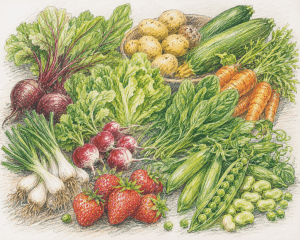
June Harvest.
Beetroot, potatoes, courgettes, carrots, sping onions, radishes, strawberries, peas, spinach and broadbeans.  colourful handsketch.

Here are some of the crops that should be ready to harvest in June across much of the UK, along with ideas for storing and enjoying them.

Fresh Peas

June peas are a celebration of early summer. Their sweet flavour is unlike anything found in the supermarket, and many gardeners will admit that more peas are eaten while harvesting than ever make it to the kitchen.

Pick pods when they are plump but still bright green. Harvest regularly to encourage plants to produce more.

How to store peas

Peas are best eaten as soon as possible after picking, as their sugars begin converting to starch quickly. If necessary, store them in the fridge for up to three days. They also freeze exceptionally well after a brief blanching.

Recipe idea: Garden Pea and Mint Soup

Ingredients:

  • 500g fresh peas
  • 1 onion, finely chopped
  • 1 litre vegetable stock
  • Handful of fresh mint leaves
  • Salt and pepper

Method:
Gently soften the onion in a saucepan. Add peas and stock, then simmer for five minutes. Stir in mint and blend until smooth. Season to taste and serve warm with crusty bread.

Broad Beans

Broad beans are among the first substantial harvests of the season. Their sturdy plants often stand proudly above the rest of the vegetable patch, laden with pods.

Harvest when the beans inside are still young and tender. Smaller beans have the sweetest flavour and require less preparation.

How to store broad beans

Store pods in the refrigerator for up to five days. Beans can be podded, blanched and frozen for later use.

Recipe idea: Broad Bean Bruschetta

Ingredients:

  • 300g broad beans
  • 1 clove garlic
  • Olive oil
  • Lemon juice
  • Toasted sourdough

Method:
Cook and pod the beans. Crush lightly with garlic, olive oil and a squeeze of lemon. Spoon onto toasted bread and finish with black pepper.

New Potatoes

Perhaps no harvest captures the essence of early summer quite like freshly dug new potatoes. Their delicate skins and earthy aroma need little embellishment.

Lift a few plants carefully and enjoy them while still young and waxy.

How to store new potatoes

Unlike maincrop potatoes, new potatoes do not store well. Keep them in a cool, dark place and use within a week.

Recipe idea: Warm New Potato and Herb Salad

Ingredients:

  • 750g new potatoes
  • Fresh parsley
  • Chives
  • Olive oil
  • Wholegrain mustard

Method:
Boil potatoes until tender. Toss with chopped herbs, olive oil and a spoonful of mustard while still warm.

Radishes

Fast-growing and colourful, radishes are often one of the first vegetables children successfully grow. June-grown roots are crisp, peppery and wonderfully refreshing.

Harvest before they become oversized and woody.

How to store radishes

Remove the leaves and store roots in the fridge for up to a week. The leaves can also be used in salads or pesto.

Recipe idea: Radish and Cucumber Summer Salad

Ingredients:

  • Bunch of radishes
  • Half a cucumber
  • Fresh dill
  • Lemon juice

Method:
Thinly slice the vegetables and combine with dill and lemon juice. Serve chilled alongside grilled dishes.

Lettuce

June lettuce is at its best, producing tender leaves bursting with freshness. Cut-and-come-again varieties can provide harvests for weeks.

Harvest in the cool of the morning when leaves are crisp and full of moisture.

How to store lettuce

Wrap leaves loosely in a damp cloth and refrigerate. Use within a few days for best quality.

Recipe idea: Garden Lettuce with Honey Mustard Dressing

Ingredients:

  • Mixed lettuce leaves
  • 1 tbsp honey
  • 1 tbsp mustard
  • 2 tbsp olive oil

Method:
Whisk dressing ingredients together and toss through freshly picked leaves just before serving.

Spring Onions

These slender, versatile onions are invaluable in the June kitchen garden.

Harvest when stems are pencil-thick and crisp.

How to store spring onions

Keep refrigerated and use within a week. They can also be chopped and frozen.

Recipe idea: Spring Onion Potato Cakes

Ingredients:

  • 500g mashed potatoes
  • 4 spring onions
  • 1 egg

Method:
Mix ingredients, shape into patties and pan-fry until golden on both sides.

Beetroot

Early beetroot harvested in June is sweet, tender and beautifully coloured. Both roots and leaves can be enjoyed.

Harvest when roots are roughly golf-ball sized for the best flavour.

How to store beetroot

Twist off leaves rather than cutting them to prevent bleeding. Store in a cool place or refrigerate for several weeks.

Recipe idea: Roasted Beetroot with Thyme

Ingredients:

  • 4 beetroot
  • Olive oil
  • Fresh thyme

Method:
Roast whole beetroot until tender. Peel, slice and toss with thyme and olive oil.

Spinach

June spinach offers rich green leaves packed with nutrients and flavour. Regular harvesting encourages continued production.

Pick young leaves for salads or larger leaves for cooking.

How to store spinach

Keep refrigerated and use within three days.

Recipe idea: Creamy Spinach Pasta

Ingredients:

  • 200g spinach
  • 300g pasta
  • Soft cheese
  • Black pepper

Method:
Cook pasta. Wilt spinach in a pan and stir through soft cheese. Toss with pasta and season generously.

Courgettes

In warmer parts of the UK, the first courgettes begin appearing in June. Harvesting them young ensures the best flavour and keeps plants productive.

Pick fruits at around 10–15cm long.

How to store courgettes

Store in the fridge for up to a week.

Recipe idea: Courgette Fritters

Ingredients:

  • 2 courgettes
  • 1 egg
  • 50g flour

Method:
Grate courgettes and squeeze out excess moisture. Mix with egg and flour. Fry spoonfuls until crisp and golden.

Carrots

Early sowings often produce their first sweet roots in June. Freshly lifted carrots are remarkably sweet and crunchy.

Harvest carefully to avoid damaging roots.

How to store carrots

Remove foliage and refrigerate in a sealed container.

Recipe idea: Honey Roasted Carrots

Ingredients:

  • Young carrots
  • Honey
  • Olive oil

Method:
Toss carrots with honey and oil. Roast until caramelised and tender.

Mangetout

Mangetout combines the sweetness of peas with the convenience of edible pods. Pick regularly while pods are still flat and tender.

How to store mangetout

Store in the fridge for several days or freeze after blanching.

Recipe idea: Stir-Fried Mangetout and Garlic

Ingredients:

  • 250g mangetout
  • 2 cloves garlic
  • Sesame oil

Method:
Quickly stir-fry garlic and mangetout for two to three minutes. Serve immediately.

Strawberries

While technically a fruit, strawberries are often grown alongside vegetables and deserve a place in any June harvest celebration.

Nothing quite compares to a sun-warmed strawberry picked straight from the plant.

How to store strawberries

Store unwashed in the refrigerator and use within a few days.

Recipe idea: Strawberry and Mint Summer Dessert

Ingredients:

  • Fresh strawberries
  • Mint leaves
  • A little honey

Method:
Slice strawberries and scatter with chopped mint. Drizzle lightly with honey and serve.

Making the Most of June’s Harvest

June marks the transition from sowing and planning to gathering and enjoying. It is a month of abundance in the making, where each harvest hints at the even greater rewards of summer ahead. By picking crops regularly, storing them carefully and celebrating them in simple seasonal dishes, you’ll enjoy the very best flavours your garden has to offer.

Take a basket into the garden on a warm June morning and see what is ready. You may be surprised by just how much the vegetable patch has to give.

Further Reading: From Vegetable Plot to Plate in June, Savouring June: Seasonal Ingredients to Enjoy This Month, What to Forage in June, The June Garden: Roses, Foxgloves and the Romance of Early Summer

Follow us on InstagramThreadsBlueSkyTwitterPinterest & Facebook

Not sure where to start? Take a look at our Grow Your Own Packs with detailed step by step instructions, seeds and 1 years online support.

National Growing for Wellbeing Week

National Growing for Wellbeing Week always takes place in National Growing for Wellbeing Week always takes place in early June, running from the 2nd to the 8th of June. in 2026.

There is a particular kind of calm that arrives in a garden.

Not suddenly, but gradually. It comes through the rhythm of watering in the evening light, the scent of tomato leaves warming in the sun, or the quiet satisfaction of pressing seeds into cool spring soil. Gardening asks very little at first — only attention, patience and time. Yet what it gives back can feel surprisingly profound.

National Growing for Wellbeing Week celebrates that connection between growing and wellbeing. It shines a light on something gardeners have long understood instinctively: that tending plants often helps us tend ourselves too.

Whether it is a windowsill filled with herbs, an allotment overflowing with beans, or a few pots beside the back door, growing spaces have a remarkable ability to ground us. In busy and uncertain lives, they offer something steady.

A season. A routine. A small daily act of care.

Why Growing Supports Wellbeing

Modern life rarely encourages slowness. Days become crowded with screens, noise and constant demands for attention. Gardening quietly resists that pace.

Plants cannot be hurried.

Seeds germinate in their own time. Fruit ripens slowly. Bulbs planted in autumn remain hidden for months before appearing in spring. Gardening teaches patience not through instruction, but through experience.

That slower rhythm can feel deeply restorative.

Spending time outdoors and engaging with nature has long been associated with reduced stress and improved mental wellbeing. Yet gardening offers something more active than simply observing nature. It invites participation. People become part of the process itself — sowing, nurturing, harvesting and noticing subtle changes week by week.

There is comfort in that continuity.

The Healing Nature of Everyday Tasks

Much of gardening’s power lies in its simplicity.

Watering seedlings. Tying in climbing beans. Deadheading roses. Filling a trug with freshly cut herbs. These tasks may seem ordinary, yet they encourage presence in a way few activities do.

Hands become occupied. Thoughts settle.

Even repetitive jobs can feel meditative. Weeding a border or sowing rows of salad leaves offers a break from the mental clutter that often accompanies modern life. Attention narrows gently towards the immediate world — the texture of soil, the movement of insects, the scent released when brushing past rosemary.

Gardening reconnects people to physical, sensory experiences that are easy to lose in everyday routines.

Growing Food and the Joy of Nourishment

There is also deep satisfaction in growing something edible.

The first strawberry picked warm from the plant. Peas eaten straight from the pod. Courgettes appearing almost overnight during summer. Even the smallest harvest can feel unexpectedly rewarding because it carries effort, care and anticipation within it.

Growing food changes the way people think about eating too. Meals become more seasonal. Ingredients feel less disposable. There is greater appreciation for how long things take to grow and how closely food remains connected to weather, wildlife and the changing seasons.

Children especially benefit from this connection. Watching seeds become meals helps create curiosity about food and nature alike.

And often, homegrown produce simply tastes better — fresher, sweeter and more alive with flavour.

Community Gardens and Shared Spaces

Gardening also creates connection between people.

Across the country, community gardens, growing projects and shared allotments have become important spaces for reducing isolation and improving wellbeing. People who may otherwise never meet find themselves working side by side, sharing knowledge, seeds and stories.

There is comfort in gardening alongside others without pressure or expectation.

For many people, community growing projects provide routine, companionship and purpose during difficult periods of life. Some offer therapeutic support, while others simply create welcoming places where people can spend time outdoors together.

Often, the conversations matter just as much as the gardening itself.

Gardening Through Difficult Times

Many gardeners speak about how growing helped them navigate grief, stress or uncertainty.

Part of this may come from the reassurance that gardens continue through every season. Plants keep growing. Birds return. Seeds emerge unexpectedly after rain. Nature carries on, quietly reminding people that change is constant and renewal is always possible.

Gardening also encourages hope.

Every seed planted contains optimism. Even experienced gardeners understand that not everything will succeed. Slugs will arrive. Frost may damage tender shoots. Weather will shift unexpectedly. Yet people plant anyway.

There is something deeply human in that act.

The Importance of Seasonal Living

Growing food and flowers naturally reconnects people to the seasons.

In spring, there is sowing and anticipation. Summer brings abundance and long evenings spent watering. Autumn becomes a season of harvesting and preparing for colder months. Winter offers rest, planning and reflection.

Modern life often blurs those seasonal boundaries. Supermarkets stock strawberries in December and asparagus in autumn. Yet gardens remind us that everything has its moment.

Living seasonally can bring a surprising sense of balance and perspective. It encourages people to notice small changes — the first blossom, ripening tomatoes, shortening evenings or fading seed heads left for birds.

These details anchor people more firmly within the natural world.

Gardening for Mental and Physical Health

The benefits of gardening extend beyond emotional wellbeing.

Gardening encourages gentle physical activity, fresh air and time away from screens. Digging, planting and pruning help maintain movement and mobility across all ages. Even lighter gardening tasks encourage people outdoors regularly.

There is increasing recognition too of the role gardening can play in supporting mental health. Many healthcare organisations now acknowledge the positive effects of green spaces and gardening activities on anxiety, stress and low mood.

Yet perhaps gardening’s greatest strength is that it rarely feels like treatment or obligation. It simply feels enjoyable.

Pleasure matters.

Making Space to Grow

One of the most encouraging things about gardening is that it does not require perfection or large spaces.

A few herbs growing on a windowsill still create connection. A single tomato plant can bring excitement through summer. Wildflowers scattered into a container can attract bees and butterflies within weeks.

Growing begins wherever people are willing to start.

And often, once that connection forms, it deepens naturally. One pot becomes several. A few salad leaves lead to beans, strawberries or flowers grown from seed. Gardening has a quiet way of drawing people in slowly.

National Growing for Wellbeing Week

National Growing for Wellbeing Week offers an opportunity to celebrate all of this — not only the beauty of gardens, but the quieter emotional benefits they provide too.

It reminds people that growing is not solely productive. Gardens nourish far more than appetites. They support wellbeing, community, creativity and connection with the natural world.

At its heart, gardening teaches attentiveness. To weather, wildlife, seasons and ourselves.

And perhaps that is why it matters so much.

Because in a fast-moving world, growing something slowly can feel like an act of care — both for the earth and for our own wellbeing.


There is a particular moment every summer that feels almost impossible to replicate.

You step into the greenhouse or garden early in the evening, the warmth of the day still lingering in the air. Tomato vines curl heavily around their supports, rich with the scent of sun-warmed leaves. Then you spot it — a perfectly ripe tomato hidden beneath the foliage, glowing red in the fading light.

Picked straight from the vine, it is still warm from the afternoon sun. Slice into it and the scent fills the kitchen immediately — sweet, earthy and unmistakably alive. The flavour is richer somehow too. Sweeter, sharper, more complex than anything wrapped in plastic on a supermarket shelf.

People who grow tomatoes rarely forget the first one they harvest.

Because growing tomatoes is never only about food. It becomes part of summer itself.

Why Home-Grown Tomatoes Taste So Different

If you have only ever eaten supermarket tomatoes, the difference can feel genuinely surprising.

Most commercially grown tomatoes are picked before fully ripening so they can survive transport, refrigeration and long journeys to shop shelves. In the process, flavour is often sacrificed for durability.

Home-grown tomatoes are entirely different.

Left to ripen naturally on the vine, they develop deeper sweetness, balanced acidity and a richness that simply cannot be hurried. Warm sunshine concentrates their sugars while slower growing allows flavour to develop properly.

Then there is variety.

Growing your own means choosing tomatoes for taste rather than transport. Tiny golden cherry tomatoes bursting with sweetness. Deep crimson heritage varieties with almost smoky richness. Ribbed tomatoes streaked with orange and green. Some taste sharp and citrusy, others soft and honeyed.

Suddenly, tomatoes stop being one ingredient and become an entire world of flavour.

The Quiet Pleasure of Growing Something Yourself

Tomatoes ask for patience.

Seeds are often sown while winter still lingers outside. Tiny seedlings appear cautiously on windowsills long before summer arrives. There is watering, feeding, tying stems carefully to supports and pinching out side shoots week after week.

And yet none of it feels burdensome.

Gardening has a rhythm that naturally slows people down. Checking plants in the morning before work. Watering in the evening when the greenhouse smells thick with tomato vines and warm compost. Watching the first yellow flowers slowly transform into tiny green fruit.

There is enormous satisfaction in these small rituals.

Perhaps because growing food reconnects people with processes modern life often hides from view. Meals no longer appear instantly or anonymously. They become tied to weather, patience, care and seasonality.

And when the first tomato finally ripens, it feels quietly miraculous every single time.

More Than Just Good Flavour

Tomatoes may be loved primarily for their taste, but they are remarkably nourishing too.

Rich in vitamin C, potassium and antioxidants such as lycopene, tomatoes have long been associated with heart health and overall wellbeing. Their vibrant colour comes from compounds naturally produced during ripening, particularly when grown slowly in sunshine.

Yet perhaps their greatest benefit lies elsewhere.

Gardening itself has a profound effect on wellbeing. Time spent outdoors, hands in soil, tending plants through the changing season — all of it encourages a slower, calmer pace. Many gardeners speak about the simple pleasure of greenhouse routines, the quiet satisfaction of caring for something steadily over time.

Tomatoes become part of that experience.

Even their scent has a nostalgic quality. Brushing past tomato plants releases a smell that instantly evokes summer for many people — green, herbal and deeply familiar.

A More Sustainable Way to Eat

Growing tomatoes at home also changes the way people think about food itself.

Ingredients become seasonal again. Waste often reduces naturally because home-grown produce feels more valued and less disposable. Food miles shrink too, with tomatoes travelling only from garden to kitchen rather than across countries or continents.

Even small growing spaces can produce surprising harvests. A single tomato plant on a sunny patio or balcony may provide fruit throughout the summer months.

And often, once people begin growing tomatoes, other things follow. Herbs appear in pots beside them. Lettuce fills containers. Gardening expands gradually, season by season.

The Simplicity of Summer Food

The best tomato meals are usually the simplest.

Thick slices scattered with sea salt and torn basil. Tomatoes piled onto toasted bread rubbed with garlic. Slow-roasted with olive oil until sweet and collapsing softly into themselves.

A bowl of freshly picked tomatoes on a kitchen table can feel almost decorative — vibrant, irregular and unmistakably seasonal.

One of the greatest pleasures of summer is making lunch almost entirely from what has just been gathered.

Slow-Roasted Summer Tomatoes

Slice ripe tomatoes in half and place them cut-side up on a baking tray. Drizzle generously with olive oil, scatter over thyme leaves, garlic and black pepper, then roast slowly until soft, sweet and deeply concentrated.

Serve warm with crusty bread, stirred through pasta or spooned over soft cheese.

Tomato and Basil Bruschetta

Dice sun-ripened tomatoes and mix gently with torn basil, olive oil and a little sea salt. Pile onto toasted sourdough rubbed lightly with garlic while the bread is still warm.

Simple food rarely tastes better than this.

Garden Tomato Pasta

Cook garlic gently in olive oil before adding chopped tomatoes fresh from the vine. Allow them to soften slowly into a light sauce, then stir through pasta with basil and parmesan.

It is the sort of meal best eaten outdoors while daylight still lingers.

Growing Tomatoes With Sow It Grow It and Feast

One of the loveliest things about tomatoes is that they are surprisingly accessible to grow.

Whether you have a greenhouse, raised bed or simply a sunny windowsill, tomatoes reward care generously. Even beginner gardeners are often astonished by how productive a single plant can become through summer.

The “Sow It Grow It and Feast – Grow Tomatoes” kit is designed to make that process simple and enjoyable, whether you are sowing your very first seeds or returning to gardening after years away.

Inside, you will find everything needed to begin — carefully selected tomato seeds, growing advice, step-by-step guidance and tips for harvesting at exactly the right moment for flavour.

Because once you taste a tomato still warm from the vine, it becomes very difficult to settle for anything less again.

The Taste of Summer Properly Grown

There is something deeply grounding about growing tomatoes.

Perhaps it is the patience they require. Or the way they tie people so closely to the rhythm of the season itself. The first flowers in early summer. Tiny fruit swelling gradually in warm greenhouses. Bowls of ripe tomatoes appearing almost faster than they can be eaten by August.

Tomatoes teach attentiveness.

They encourage people outdoors more often. Into gardens at dusk. Into greenhouses on warm mornings. Into kitchens filled with the scent of basil, olive oil and sun-ripened fruit.

And perhaps that is why growing them feels so rewarding.

Not simply because home-grown tomatoes taste better — though they certainly do — but because they reconnect people with slower pleasures that modern life too easily forgets.

The warmth of the sun still resting on tomato skins.

The smell of vines in evening air.

And the quiet satisfaction of eating something you grew yourself.

Explore our “Sow It Grow It and Feast” range and start your tomato-growing adventure today. Your taste buds and your garden will thank you!

Further Reading: How to Start Your Own Vegetable PatchHow to Plan and Design Your Dream Vegetable PatchWhy Choose Sow It Grow It and Feast for Your Garden?How to Choose the Perfect Flower Pot for Your CropsRecipe Garden Pots: Grow a Pimm’s No.1 Garden in One Pot, Recipe Garden Pots: Grow a Green Risotto in One PotRecipe Garden Pots: Pizza in One Pot

Follow us on InstagramThreadsBlueSkyTwitterPinterest & Facebook

Not sure where to start? Take a look at our Grow Your Own Packs with detailed step by step instructions, seeds and 1 years online support.

From Vegetable Plot to Plate in June

June is a month of anticipation fulfilled. The hungry gap of spring begins to fade as the vegetable plot finds its stride, rewarding months of planning, sowing and tending with the first truly abundant harvests of the year. The garden feels alive with possibility. Leaves unfurl daily, flowers attract busy pollinators and baskets carried into the kitchen become noticeably heavier.

There’s something deeply satisfying about stepping outside and gathering ingredients for supper. June’s harvests are often fresh, tender and bursting with flavour, requiring little more than simple preparation to shine. From crisp salads gathered in the cool of the morning to sweet peas plucked straight from the pod, this is a season that invites us to eat closer to the garden.

Here are some of the vegetables and salad crops at their best this month, along with ways to enjoy them from plot to plate.

Lettuce

June is perhaps the finest month for lettuce. Heads are full and crisp, leaves are tender, and the range of colours and textures can transform even the simplest meal. Whether it’s buttery butterhead varieties, crunchy romaine or frilly loose-leaf types, freshly picked lettuce has a sweetness and freshness that supermarket leaves simply cannot match.

Rich in vitamins A and K, lettuce also provides hydration thanks to its high water content, making it ideal for warmer days.

Garden Lettuce with Lemon and Herb Dressing

Garden Lettuce with Lemon and Herb Dressing

Ingredients

  • 1 large bowl mixed lettuce leaves
  • 2 tbsp extra virgin olive oil
  • 1 tbsp lemon juice
  • 1 tsp honey
  • Small handful chopped parsley
  • Salt and black pepper

Method

Wash and dry the lettuce leaves carefully. Whisk together the olive oil, lemon juice, honey and parsley. Season to taste. Toss lightly with the leaves just before serving.


Radishes

Pulled straight from the soil, radishes bring colour and peppery crunch to early summer meals. Their vibrant roots brighten salads while the young leaves can also be used in soups and pestos.

Radishes contain vitamin C and beneficial antioxidants, helping to support healthy immune function.

Radish and Cream Cheese Crostini

Radish and Cream Cheese Crostini colourful sketch
Radish and Cream Cheese Crostini

Ingredients

  • 1 baguette, sliced
  • 150g cream cheese
  • 8–10 radishes, thinly sliced
  • Fresh chives
  • Black pepper

Method

Toast the baguette slices until golden. Spread generously with cream cheese. Top with sliced radishes, sprinkle with chopped chives and finish with freshly ground black pepper.


Spring Onions

One of the earliest alliums to reach the kitchen, spring onions bring a gentle onion flavour that is fresh rather than overpowering. They add brightness to salads, stir-fries and savoury tarts.

They are a good source of vitamin K and contain beneficial plant compounds associated with heart health.

Spring Onion and Cheddar Omelette

Spring Onion and Cheddar Omelette

Ingredients

  • 4 eggs
  • 3 spring onions, finely sliced
  • 50g mature cheddar, grated
  • 1 tbsp butter
  • Salt and pepper

Method

Beat the eggs and season lightly. Melt the butter in a frying pan and cook the spring onions for one minute. Pour in the eggs and cook gently. Sprinkle over the cheese and fold the omelette in half before serving.


Peas

Sweet peas rarely make it all the way to the kitchen. Their sugary flavour encourages gardeners to eat them straight from the pod while still standing among the rows.

Peas are rich in fibre, protein and vitamins C and K, making them both nutritious and satisfying.

Garden Pea and Mint Soup

Garden Pea and Mint Soup colourful sketch
Garden Pea and Mint Soup

Ingredients

  • 500g fresh peas
  • 1 litre vegetable stock
  • Small bunch fresh mint
  • 1 onion, chopped
  • 1 tbsp olive oil

Method

Gently soften the onion in olive oil. Add the stock and peas and simmer for five minutes. Stir in the mint and blend until smooth. Serve warm with crusty bread.


Broad Beans

June marks the beginning of broad bean season. Their sturdy plants often stand tall and proud, producing pods packed with creamy beans that have a distinctive, earthy flavour.

Broad beans are high in protein, fibre and folate, making them a valuable addition to summer meals.

Broad Bean, Lemon and Parmesan Salad

Broad Bean, Lemon and Parmesan Salad - colourful sketch
Broad Bean, Lemon and Parmesan Salad

Ingredients

  • 400g broad beans, podded
  • 40g Parmesan, shaved
  • Zest of 1 lemon
  • 2 tbsp olive oil
  • Handful rocket leaves

Method

Cook the beans in boiling water for three minutes, then cool and remove the outer skins if desired. Toss with rocket, lemon zest, olive oil and Parmesan.


Spinach

Young spinach leaves are wonderfully tender in June. Harvested little and often, the plants continue producing fresh growth throughout the month.

Spinach is renowned for its iron, vitamin K and folate content, contributing to healthy blood and bone function.

Spinach and Garlic Pasta

Spinach and Garlic Pasta colourful sketch
Spinach and Garlic Pasta

Ingredients

  • 300g pasta
  • 200g spinach leaves
  • 2 garlic cloves, sliced
  • 3 tbsp olive oil
  • Parmesan to serve

Method

Cook the pasta. Meanwhile, gently cook the garlic in olive oil. Add spinach and stir until wilted. Toss through the drained pasta and finish with Parmesan.


Beetroot

Early beetroot harvested in June is particularly sweet and tender. Both roots and leaves can be enjoyed, offering versatility from garden to kitchen.

Beetroot contains folate, fibre and natural nitrates that may help support healthy circulation.

Roasted Beetroot with Goats’ Cheese

Roasted Beetroot with Goats' Cheese colourful sketch
Roasted Beetroot with Goats’ Cheese

Ingredients

  • 4 medium beetroot
  • 100g goats’ cheese
  • 1 tbsp olive oil
  • Small handful walnuts

Method

Roast the beetroot at 200°C until tender. Slice and arrange on a serving plate. Crumble over the goats’ cheese, scatter with walnuts and drizzle with olive oil.


Carrots

The first young carrots of the season are a delight. Their flavour is sweeter and more delicate than mature roots, and they require little preparation beyond a quick wash.

Carrots are rich in beta-carotene, which the body converts into vitamin A for healthy vision and skin.

Honey Glazed Baby Carrots

Honey Glazed Baby Carrots colourful sketch
Honey Glazed Baby Carrots

Ingredients

  • 500g young carrots
  • 1 tbsp butter
  • 1 tbsp honey
  • Fresh thyme

Method

Cook the carrots until just tender. Melt the butter and honey together in a pan and toss the carrots through until glossy. Finish with thyme leaves.


Swiss Chard

With its colourful stems and generous leaves, Swiss chard is one of the most productive crops in the June garden. It continues producing throughout summer if harvested regularly.

Chard contains vitamins A, C and K as well as valuable minerals including magnesium and potassium.

Swiss Chard and Feta Tart

Swiss Chard and Feta Tart Sketch
Swiss Chard and Feta Tart

Ingredients

  • 1 sheet ready-rolled puff pastry
  • 200g Swiss chard
  • 100g feta cheese
  • 2 eggs
  • 100ml cream

Method

Wilt the chard and squeeze out excess moisture. Place on the pastry. Whisk together eggs and cream and pour over. Crumble feta on top and bake at 190°C for 30 minutes.


Rocket

Rocket’s peppery leaves bring character to summer salads and sandwiches. Left to flower, the blooms also attract pollinating insects into the garden.

Rocket provides vitamins A and C and contains beneficial antioxidants.

Rocket, Strawberry and Feta Salad

Rocket, Strawberry and Feta Salad colourful sketch
Rocket, Strawberry and Feta Salad

Ingredients

  • 100g rocket leaves
  • 150g strawberries, sliced
  • 75g feta cheese
  • 1 tbsp balsamic vinegar
  • 2 tbsp olive oil

Method

Arrange the rocket and strawberries in a serving bowl. Crumble over the feta. Whisk together the balsamic vinegar and olive oil and drizzle before serving.

Celebrating June’s Harvest

June reminds us why we grow our own food. Every basket gathered from the garden tells a story that began months earlier with a packet of seeds and a little faith. The flavours are fresher, the colours brighter and the connection between gardener and plate stronger.

As the days stretch towards midsummer and the harvests become more generous, there’s every reason to slow down, savour the season and enjoy the simple pleasure of eating what the garden has provided.

Further Reading: How to Start Your Own Vegetable PatchHow to Plan and Design Your Dream Vegetable PatchWhy Choose Sow It Grow It and Feast for Your Garden?How to Choose the Perfect Flower Pot for Your CropsRecipe Garden Pots: Grow a Pimm’s No.1 Garden in One Pot, Recipe Garden Pots: Grow a Green Risotto in One PotRecipe Garden Pots: Pizza in One Pot

Follow us on InstagramThreadsBlueSkyTwitterPinterest & Facebook

How to Grow Brussels Sprouts: From Tiny Seed to Winter Harvest

There’s something deeply satisfying about harvesting fresh vegetables from the garden in the depths of winter. While much of the vegetable patch lies dormant, Brussels Sprouts stand proudly through frosts and cold winds, offering one of the season’s most rewarding harvests.

Often misunderstood and occasionally unfairly maligned at the dinner table, Brussels Sprouts are a traditional British crop that deserves a place in every kitchen garden. Their sweet, nutty flavour improves after a touch of frost, and a healthy plant can provide months of picking from late autumn well into winter.

Whether you’re growing them for a festive feast or simply to enjoy fresh homegrown produce during the colder months, here’s everything you need to know about growing Brussels Sprouts successfully in the UK.

Meet the Brussel Sprout

Botanical name: Brassica oleracea var. gemmifera

Brussels Sprouts belong to the brassica family, alongside cabbages, kale, cauliflower and broccoli. Unlike their cousins, sprouts produce dozens of miniature cabbage-like buds along a tall central stem.

Despite their name, Brussels Sprouts are thought to have originated in the Mediterranean before being developed and popularised in northern Europe, particularly around Brussels in Belgium during the 16th century.

Today they remain one of Britain’s favourite winter vegetables, with millions consumed every Christmas.

As the old gardening saying goes:

“The best sprouts have felt the frost.”

While modern varieties don’t strictly need frost to taste good, cool weather does help convert starches into sugars, producing a sweeter flavour.


Choosing the Right Variety

Different varieties mature at different times, allowing gardeners to enjoy a long harvest season.

Popular UK varieties include:

Early Harvest

  • ‘Crispus’
  • ‘Brigitte’

Mid-Season

  • ‘Trafalgar’
  • ‘Red Ball’ (producing attractive reddish-purple sprouts)

Late Harvest

  • ‘Bosworth’
  • ‘Evesham Special’

For windy gardens, choose varieties bred for sturdy stems and good disease resistance.


Step 1: Sowing Brussels Sprout Seeds

When to Sow

Sow from March to April for harvesting from autumn through winter.

Indoors

Start seeds in modules or seed trays under cover in March.

Outdoors

Direct sow from April onwards once soil begins to warm.

How to Sow

  1. Fill seed trays with quality seed compost.
  2. Sow seeds approximately 1cm deep.
  3. Water gently.
  4. Keep at 10–18°C.
  5. Germination usually occurs within 7–14 days.

Once seedlings develop their first true leaves, thin or prick out into individual modules.


Step 2: Preparing the Soil

If Brussels sprouts have one secret, it’s this:

They love firm, fertile soil.

Unlike many vegetables, sprouts perform poorly in loose or freshly dug ground. Firm soil encourages sturdy stems capable of supporting dozens of sprouts.

Ideal Conditions

  • Full sun
  • Rich, moisture-retentive soil
  • pH 6.5–7.5
  • Sheltered but airy position

Prepare the Bed

In autumn or winter before planting:

  • Dig in plenty of well-rotted compost or manure.
  • Remove perennial weeds.
  • Add garden lime if soil is acidic.

Allow the soil to settle naturally before planting.


Step 3: Planting Out

Seedlings are usually ready between May and June.

Plants should be:

  • 10–15cm tall
  • Stocky rather than leggy
  • Hardened off before planting

Spacing

Brussels sprouts need room.

Plant:

  • 60–75cm apart
  • 75cm between rows

This spacing promotes airflow and reduces disease problems.

Firm each plant into the soil using your heel.

Old gardeners often say:

“Plant a sprout as though you’re trying to stand it against the wind.”

A surprisingly useful piece of advice.


Step 4: Caring for Your Plants

Brussels sprouts are relatively straightforward once established, but consistency is key.

Watering

Water regularly during:

  • Dry spells
  • Summer heat
  • Early sprout formation

Avoid letting plants dry out completely.

Mulching with compost helps retain moisture and suppress weeds.

Feeding

Brassicas are hungry plants.

Apply:

  • A balanced fertiliser before planting.
  • A nitrogen-rich feed in midsummer.

Avoid excessive feeding late in the season, which can encourage leafy growth at the expense of sprouts.

Supporting Tall Plants

By autumn, plants may exceed one metre in height.

In exposed gardens:

  • Stake individual plants.
  • Earth up soil around stems.
  • Firm the soil regularly.

Strong winds can loosen roots and reduce sprout quality.


Common Pests and How to Deal with Them

Brussels sprouts attract a variety of garden visitors—some more welcome than others.

Cabbage White Caterpillars

Perhaps the most familiar brassica pest.

Signs

  • Holes in leaves
  • Green caterpillars feeding on foliage

Prevention

  • Cover crops with fine insect-proof netting.
  • Inspect leaves regularly.
  • Remove caterpillars by hand.

Pigeons

A particular problem during winter.

Signs

  • Stripped leaves
  • Damaged growing tips

Protection

  • Use netting or fruit cages.
  • Install reflective deterrents.
  • Grow several plants rather than relying on one crop.

Cabbage Root Fly

Adult flies lay eggs near stems.

Larvae feed on roots, weakening plants.

Prevention

Place brassica collars around the base of plants to stop flies laying eggs.


Aphids

Grey-green colonies often gather in leaf joints.

Control

  • Encourage ladybirds.
  • Wash off with water.
  • Remove heavily infested leaves.

Common Diseases

Good crop rotation is your best defence.

Avoid growing brassicas in the same location more than once every three years.

Clubroot

One of the most serious brassica diseases.

Symptoms

  • Swollen roots
  • Wilting despite moist soil
  • Poor growth

Prevention

  • Maintain neutral to alkaline soil.
  • Improve drainage.
  • Use resistant varieties where available.

Unfortunately, infected plants usually need removing.


Powdery Mildew

White powdery coating on leaves during dry weather.

Prevention

  • Water consistently.
  • Maintain good airflow.
  • Remove affected foliage.

Leaf Spot

Brown or black spots can appear on older leaves.

Prevention

  • Avoid overhead watering.
  • Remove infected leaves promptly.

Topping Plants for Better Sprouts

In early autumn, many gardeners remove the growing tip.

This process, known as topping, encourages energy into sprout development.

Simply pinch out the top 2–3cm of the stem once healthy sprouts have formed lower down.

As a bonus, the leafy top can be cooked and eaten much like spring greens.


When to Harvest Brussels Sprouts

Harvest generally begins from:

  • September for early varieties
  • October to January for most crops
  • February for late varieties

How to Harvest

Start at the bottom of the stem.

The lowest sprouts mature first.

Each sprout should be:

  • Firm
  • Tight
  • About the size of a walnut

Twist or snap them off carefully.

Remove yellowing leaves as you harvest.

A single plant can continue producing for several months.


How to Store Brussels Sprouts

Freshly harvested sprouts are at their best.

However, they can be stored successfully.

Refrigerator

Keep unwashed sprouts in a perforated bag.

Storage time:

  • Up to one week

Freezing

For longer storage:

  1. Wash thoroughly.
  2. Trim bases.
  3. Blanch for 3–4 minutes.
  4. Cool immediately in iced water.
  5. Freeze in portions.

Properly frozen sprouts can last for up to a year.


A Vegetable with a Reputation

Few vegetables divide opinion quite like Brussels sprouts.

Historically, much of their poor reputation came from overcooking. Boiled for too long, sprouts release sulphur compounds responsible for the strong flavour many remember from childhood.

Modern cooking methods reveal a different side entirely.

Roasted, sautéed or shredded into salads, homegrown sprouts can be sweet, nutty and surprisingly delicate.

As food writer Jane Grigson famously observed:

“The Brussels Sprout is transformed when treated with respect.”


Brussels Sprouts reward patience. They occupy space for much of the growing season and ask for little more than fertile soil, firm planting and regular care. Yet when winter arrives and the garden seems to have gone to sleep, they provide fresh harvests when few other vegetables remain.

Perhaps that’s why they’ve remained a fixture of kitchen gardens for generations. Standing tall through frost, wind and shortening days, Brussels Sprouts remind us that some of the finest harvests come at the end of the gardening year.

Further Reading: How to Start Your Own Vegetable PatchHow to Plan and Design Your Dream Vegetable PatchWhy Choose Sow It Grow It and Feast for Your Garden?How to Choose the Perfect Flower Pot for Your CropsRecipe Garden Pots: Grow a Pimm’s No.1 Garden in One Pot, Recipe Garden Pots: Grow a Green Risotto in One PotRecipe Garden Pots: Pizza in One Pot

Follow us on InstagramThreadsBlueSkyTwitterPinterest & Facebook