Growing your own vegetables is rewarding. You’ll save money, reduce your carbon footprint, and enjoy fresher produce than anything you’ll find in a supermarket. If you’re a beginner gardener or an enthusiast looking to live more sustainably, creating a vegetable patch is the perfect way to get started.
1. Choose the Right Location
The success of your vegetable patch begins with where you choose to place it. Vegetables thrive in a sunny, sheltered location. Aim for an area that gets at least 6-8 hours of sunlight a day, as most crops need plenty of light to grow. Avoid areas prone to waterlogging, as soggy soil can damage your plants’ roots.
If possible, pick a spot close to your house or kitchen. This makes harvesting and monitoring your plants more convenient and ensures you’ll keep up with watering, weeding, and pest checks.
2. Clear the Area and Prepare the Soil
Once you’ve selected your spot, it’s time to clear the area. Remove any turf, weeds, or debris. If you have grass, you’ll need to dig it up or cover the area with cardboard or black plastic sheet for a few weeks to kill it off naturally.
Next, focus on preparing the soil:
Remove Stones and Large Debris: Start with a clean slate.
Loosen the Soil: Use a fork or spade to break up compacted soil, allowing better drainage and root growth.
Test Your Soil: Consider testing your soil for pH levels. Most vegetables thrive in slightly acidic to neutral soil (pH 6-7).
This will set the foundation for healthy plant growth.
3. Decide on Bed Size
For beginners, starting small makes the process more manageable. A single bed measuring around 1.2m x 2.4m (4ft x 8ft) is a good starting point. This size gives you enough room to grow a variety of vegetables without feeling overwhelmed.
If you want multiple beds, ensure there’s space between them for paths. Around 30-40cm (12-16 inches) should work, making it easy to access all parts of your patch without stepping on the soil.
Raised beds are also a great option, especially if your soil quality is poor or you want a more organised look. They provide better drainage and warmth, which benefits your vegetables.
4. Improve Your Soil
While your soil is already prepared, giving it a boost will make it even better. Add organic matter like compost, well-rotted manure, or leaf mould to improve fertility and structure. Spread a 5-10cm (2-4 inch) layer over the soil and work it into the top few inches.
Well-fed soil leads to healthier plants, and, in turn, better harvests.
5. Decide What Crops to Grow
The key to a successful vegetable patch is to grow what you’ll use. Think about your family’s favourite veggies, and focus on crops you enjoy eating. For beginners, consider these easy-to-grow options:
Leafy Greens like lettuce, spinach, and kale
Root Vegetables such as carrots, radishes, and beetroot
Herbs like basil, parsley, and coriander
Fruit Vegetables like tomatoes, courgettes, and peppers
Bear in mind your local climate and planting season. Check seed packets or local gardening resources to ensure the crops you plant thrive in your area.
6. Plan the Layout of Your Vegetable Patch
Proper planning is essential to make the most of your space. Each vegetable has unique spacing and sunlight requirements, so consider these when mapping out your patch. Here are a few tips:
Spacing: Allow enough room between plants. Crowded spaces can lead to poor growth and make your plants more vulnerable to diseases.
Positioning: Place taller plants like tomatoes and runner beans at the back (or north side) of the patch to avoid shading smaller crops.
Companion Planting: Research which vegetables grow well together. For example, carrots and onions are great companions as they repel each other’s pests.
Sketch a simple layout before planting to envision the space and avoid any last-minute surprises.
Bonus Tip: Mulch for Maintenance
Once your plants are in the ground, cover the soil with a layer of organic mulch. This helps retain moisture, suppress weeds, and maintain soil temperature. Straw, wood chips, or even chopped leaves make excellent mulching materials.
Start Planting Today!
Starting a vegetable patch may take some initial effort, but the rewards of growing your own fresh produce make it all worthwhile. Follow these steps to create a productive, healthy garden, and enjoy the satisfaction of home-grown tomatoes or crisp lettuce in your next salad.
If you need more tailored advice, visit your local gardening centre or community gardening group. With a little planning and care, you’ll soon have a thriving vegetable patch to be proud of!
Direct sowing is a low-cost and rewarding technique for planting seeds directly into the soil, skipping the indoor growing stage. If you’re a gardening enthusiast or looking for sustainable, natural ways to cultivate your own greens, this method is perfect for you. It’s simple, eco-friendly, and brings you closer to nature—no fancy equipment necessary.
Here’s everything you need to know about direct sowing, from prepping your soil to thinning out seedlings for a healthier, bountiful garden.
What is Direct Sowing?
Direct sowing is the practice of planting seeds straight into your garden or outdoor soil, right where you want them to grow. It’s ideal for plants with hardy seeds or those that don’t like being disturbed, such as carrots, beans, radishes and sunflowers. This method relies on nurturing seeds naturally in their environment, which means no transplant shock and often quicker establishment.
Not only does direct sowing make gardening accessible to beginners, but it’s also a budget-friendly, sustainable choice since it avoids plastic trays, pots or excessive supplies.
How to Direct Sow Successfully
Gardening with direct sowing does require some planning and proper techniques to achieve the best results. Follow these steps to set yourself up for success:
1. Soil Preparation
Healthy soil is the foundation of any growing process—but it’s particularly crucial for direct sowing. Follow these steps to prepare your soil:
Clear the Area: Remove weeds, debris and large rocks from the chosen planting area. Weeds can compete with your seedlings for water and nutrients.
Loosen the Soil: Use a hoe, rake or gardening fork to cultivate the soil to a depth of 6-12 inches. Loosening improves aeration and makes it easier for young roots to establish.
Amend the Soil: Mix in compost or organic matter to enrich the soil with nutrients. Many seeds thrive in well-drained, nutrient-rich substrates.
Tip: Avoid compacted soil—seeds germinate poorly in dense, hard soil.
2. Seed Spacing
Proper seed spacing is vital to avoid overcrowded plants, as spacing ensures healthy growth and allows airflow. Always check the seed packet or label for specific spacing recommendations as different plants have unique requirements.
Make Furrows or Holes: Use a stick or your finger to create planting furrows or small holes at the recommended depth.
Plant Sparingly: Don’t scatter seeds randomly; place seeds deliberately based on the spacing suggested. It often helps to use a ruler or a string as a guide.
If you’re after neat rows, draw straight planting lines across your soil bed before sowing.
3. Watering & Caring for Seeds
Once your seeds are planted, water them gently to ensure they’re in good contact with the soil. Use a watering can with a soft spray attachment to prevent displacing the seeds. Keep the soil consistently moist—but not waterlogged—through the germination period.
A layer of mulch or straw can be added to help retain moisture and regulate soil temperature, but ensure it doesn’t smother the seeds.
4. Thinning Seeds
After germination, you may notice clumps of tiny seedlings popping up in your soil. Thinning is the process of removing overcrowded seedlings so the healthiest ones have room to thrive. Overcrowding leads to weak, spindly plants that don’t flourish.
Use small scissors to snip off extra seedlings at their base. Avoid pulling them out—you risk disturbing your remaining plants’ roots.
Maintain the strongest seedlings based on the recommended spacing guidelines. Give them room to stretch and spread out.
Common Challenges to Address
While direct sowing is incredibly rewarding, you may encounter a few common issues:
Pests: Birds and insects love feasting on seeds. Use fine netting or plant covers to protect them during early stages.
Weather: Sudden frost or excessive rainfall can be tough on seeds. Plan your sowing around optimal weather conditions for the plant variety.
Why Choose Direct Sowing?
Direct sowing is more than just a gardening method—it’s a step towards sustainability. By growing food and plants directly in your garden, you save on waste, avoid unnecessary packaging, and support the natural lifecycle of your local ecosystem. You also learn to work in harmony with your environment, fostering a deeper connection to the earth.
Even if you’re new to gardening, direct sowing is a rewarding way to get started without feeling overwhelmed. With time, you’ll develop a knack for knowing your soil, weather, and plant needs.
Final Thoughts
Direct sowing is a straightforward, hands-on gardening method that lets you cultivate vibrant, healthy gardens with minimal tools. From soil prep to thinning, following these steps will give your seeds the best chance to thrive.
Take a deep breath, dig in and enjoy the process of nurturing life from seed to harvest. Nothing tastes better than food grown by your own hands!
Creating your own vegetable patch is one of the most rewarding gardening projects you can undertake. Whether you’re a beginner or a seasoned green thumb, a well-planned vegetable patch can provide you with fresh, flavourful produce and a satisfying connection to nature. Here’s a step-by-step guide to help you plan and design a vegetable patch that works beautifully for you.
Step 1: Choose the Right Location
The location of your vegetable patch is crucial for its success. Vegetables typically need at least 6-8 hours of sunlight daily, so pick a sunny spot in your garden. Avoid low-lying areas where water accumulates and make sure the spot has good drainage. Consider proximity to water sources, like a garden tap or rainwater barrel, for easy irrigation.
Additionally, think about how accessible the patch is from your home. The easier it is to reach, the more motivated you’ll be to maintain it and harvest your crops.
Step 2: Decide on the Layout
The layout of your vegetable patch will depend on the size of your garden and your personal preference. Here are a few key considerations:
Beds vs. Rows
Raised Beds: Perfect if you have poor soil or want to improve drainage. Raised beds are also easier to maintain and can give your patch a neat, organised look.
Traditional Rows: This is a classic layout that works well for larger plots of land, with space between rows for easy weeding and planting.
Pathways
Include pathways to make your vegetable patch accessible without stepping on the soil, which can compact it and impede plant growth. Gravel, bark or stepping stones are excellent materials for pathways, as they allow good drainage and keep weeds at bay.
Make sure the pathways are wide enough—about 60-90cm is ideal—to comfortably walk through or manoeuvre a wheelbarrow.
Step 3: Plan for Crop Rotation
Crop rotation is essential to maintain soil fertility and prevent diseases and pests. Divide your vegetable patch into several areas or beds, each designated for a specific crop group. Rotate these groups every year. Here’s a simple rotation plan:
Area 1 – Leafy Greens
Grow spinach, lettuce, kale and cabbages. This group thrives on nitrogen-rich soil.
Area 2 – Root Vegetables and Tubers
Include carrots, beets, radishes and potatoes. These crops benefit from soil that’s less rich in nitrogen but still loose and fertile.
Area 3 – Fruiting Vegetables
Tomatoes, peppers, cucumbers and courgettes belong here. They need potassium-rich soil for healthy fruit development.
Area 4 – Legumes
Beans and peas add nitrogen back into the soil, making this group an essential part of the rotation cycle.
By rotating these groups each year, you’ll help replenish nutrients in the soil while reducing the risk of pests building up.
Step 4: Consider Bed Sizes
The size and number of beds will depend on the space you have and the vegetables you plan to grow. Here are some tips for bed sizing:
Keep beds 1.2m wide or less, so you can easily reach the centre without stepping on the soil.
Leave at least 30-45cm between raised beds to act as pathways.
A bed length of 2-3 metres is manageable for most gardeners while providing plenty of growing space.
If you’re short on space, vertical gardening (using trellises for climbing plants like beans and tomatoes) is another option to make the most of the area.
Step 5: Match Vegetables to Growing Conditions
Not all vegetables have the same needs, so place plants strategically within your patch:
Sun-loving plants (tomatoes, peppers, courgettes) should be positioned where they get the most light.
Shade-tolerant plants (lettuce, spinach) can go in slightly shadier areas.
Group vegetables with similar watering requirements together to make irrigation simpler and more efficient.
Step 6: Add Finishing Touches
These final considerations will help make your vegetable patch even more enjoyable and productive:
Compost Bin: Set up a compost bin nearby to recycle kitchen scraps and garden waste. You’ll have a ready supply of organic fertiliser for your vegetables.
Watering System: Drip irrigation or soaker hoses can save time and ensure consistent watering.
Pest Protection: Add netting or fencing to keep out birds, rabbits, or other hungry visitors.
Seasonal Cover: Consider cold frames or cloches to protect crops during colder months and extend your growing season.
Start Growing Today!
Planning and designing your vegetable patch may take some effort upfront, but the result is worth it. Not only will you enjoy fresh, home-grown produce, but you’ll also create an outdoor space that’s both functional and beautiful.
Begin small and adjust your plan as you gain experience—gardening is a learning process, and every season brings new opportunities to refine your patch. Whether you’re dreaming of summer salads or hearty winter soups, your vegetable patch can make those dreams come true. Happy gardening! 🌱
As more people turn towards sustainability and self-sufficiency, the joy of growing your own food, herbs and flowers has never been more popular. Whether you’re a seasoned green thumb or a gardening novice, Sow It Grow It and Feast offers everything you need to create a thriving garden right at home. From luscious salads to vibrant flowers, and even herbs for tea or medicinal uses, their beautifully curated garden sets make cultivating your dream garden not only possible but incredibly enjoyable.
Here’s why Sow It Grow It and Feast is the game-changer you’ve been looking for.
What is Sow It Grow It and Feast?
Imagine turning your garden into a vibrant, delicious oasis of health and flavour, guided every step of the way. Sow It Grow It and Feast is a comprehensive gardening solution that combines expertly curated seed packs with all the tools and guidance you need to succeed. With options ranging from growing your own tea to feeding your family with homegrown vegetables, each set is designed to help you grow, harvest, and enjoy your very own feast.
Perfect for gardeners at every experience level, these sets make it easy to learn how to bring life to your outdoor space while enjoying the satisfaction of growing and eating your own produce—all with premium quality seeds and excellent expert support.
What Makes Sow It Grow It and Feast Great?
There are countless reasons why Sow It Grow It and Feast is a standout choice for new gardening enthusiasts:
1. Expert Curation
Each gardening set is thoughtfully curated by gardening experts, ensuring that even beginners can achieve success. Whether you’re growing a salad patch or cultivating medicinal plants, every seed is selected for its quality and yield.
2. Comprehensive Guidance
Gardening can feel intimidating, but not with Sow It Grow It and Feast. Each set comes with:
A detailed and easy-to-follow information booklet that guides you through every step, from sowing to harvesting.
Online support to answer all your gardening questions.
Regular email reminders bursting with tips, hints, and seasonal advice.
3. Beautifully Packaged Sets
Gardening isn’t just practical—it can also be a source of joy and beauty. These sets come beautifully packaged, making them perfect for gifting to aspiring gardeners and home cooks. From the moment you open your set, you’ll feel inspired to bring your garden to life.
4. A Versatile Approach
Whether you want to grow your own herbs for tea, produce to feed your family, or flowers for a beautiful cutting bed, Sow It Grow It and Feast has you covered. Customise your experience based on your interests and discover how rewarding gardening can be.
5. Added Perks
Every gardening set comes with a voucher for discounts on future purchases—perfect for expanding your garden. You’ll also join a growing community of gardeners who share hints, tips and inspiration to keep your gardening experience vibrant and enjoyable.
Seed to Feast Garden Sets – What Can You Grow?
Sow It Grow It and Feast offers a range of seed sets catering to different preferences. Here are a few standout options:
Grow Your Own Tea
Imagine stepping outside to harvest your own chamomile, mint, or lavender for the perfect cup of tea. These packs include everything you need to cultivate a herbal tea garden that’s as calming to grow as it is to drink.
Feed Your Family
Transform your home-cooked meals with fresh, organic produce from your own garden. From rich tomatoes and crunchy cucumbers to crisp lettuces, the “Feed Your Family” garden sets allow you to enjoy food at its freshest, knowing exactly where it came from.
Flourishing Flowers
Bring vibrant colour and joy to your home with a cutting bed brimming with beautiful flowers. These sets make it easy to create stunning bouquets to brighten your space or share with loved ones.
Medicinal Marvels
Grow a homegrown first-aid kit with the medicinal plant garden sets. These feature seeds like aloe vera and echinacea so you can tap into the power of plants for healing and wellness.
Salad Patch Essentials
Perfectly curated for fresh summer salads, these sets offer seeds for everything you need to create healthy, delicious dishes straight from your garden.
Why Should You Choose These Sets?
For the Love of Gardening
Every seed you plant takes you on a joyful, rewarding journey. With Sow It Grow It and Feast, you’ll learn not just how to grow plants but how to love the process. Whether it’s for stress relief, family bonding or simply enjoying beautiful blooms and fresh food, gardening with these packs elevates the entire experience.
Sustainability at Heart
By growing your own food and herbs, you reduce your carbon footprint while enjoying organic, pesticide-free produce. It’s a win-win for the planet and your health.
Perfect Gifts for Loved Ones
These beautifully crafted sets make fabulous, meaningful gifts for anyone looking to connect with nature and elevate their culinary skills. You’re not just giving seeds—you’re offering the joy of watching something grow, the pride of self-sufficiency and the pleasure of fresh flavours.
Join a Community
Gardening is more than just what happens in the soil—it’s a shared passion. Join the Sow It Grow It and Feast community to exchange ideas, seek advice and celebrate your successes.
Your Gardening Adventure Starts Here
Why simply dream of a bountiful garden when you can grow one? With Sow It Grow It and Feast, the tools, seeds, and expert guidance you need are just a click away. Whether you’re creating a first-aid kit, a cutting bed, or a salad patch, these sets make gardening easy, enjoyable, and incredibly rewarding.
Take the first step today—explore Sow It Grow It and Feast and find the perfect set to transform your garden. Your green thumb awaits!
We have a great range of themed grow your own garden sets to be found here.
If you’ve been toying with the idea of living more sustainably or are a dedicated veggie lover ready to take the next big leap, Veganuary presents the perfect opportunity to align your lifestyle with your values. And what better way to celebrate Veganuary than by growing your own vegetables? Whether you’re a gardening novice or a seasoned grower, cultivating your produce has countless benefits for your health, the planet and even the local wildlife.
Why Growing Your Own is the Ultimate Veganuary Experience
Being part of Veganuary is more than just joining a movement; it’s about making thoughtful choices that embody sustainability and self-sufficiency. When you grow your own fruits and vegetables, you’re not just reducing your carbon footprint—you’re reconnecting with the environment in a way that processed supermarket products can’t match.
Benefits of Growing Your Own Food:
Healthier Eating: Homegrown vegetables are packed full of nutrients and are free from pesticides and chemicals. Plus, having fresh produce just a few steps away encourages healthy eating habits.
Environmental Gains: Skip the extra plastic packaging and reduce food miles by producing your veggies in your garden or balcony.
Support Wildlife: Vegetable patches also create safe spaces for pollinators like bees and butterflies that are essential for maintaining biodiversity.
Veganuary pairs so well with home gardening because it magnifies these benefits. The dishes you prepare become even more meaningful as they represent your efforts to improve your own health and the world around you.
Getting Started: Your First Steps as a Grower
Taking the plunge into growing your produce doesn’t take a sprawling garden or specialist skills—just some patience and the right approach.
1. Choose Space-Saving Crops for Newbies
If you’re starting small, opt for beginner-friendly vegetables that thrive in pots. Lettuce, spinach, radishes, spring onions and even small carrots are easy to grow on a windowsill or balcony.
2. Think Seasonal
Growing veggies in the appropriate season ensures they thrive and taste their best. For Veganuary, think leafy greens, cabbages, kale and root veggies like parsnips.
3. Create a Compost Corner
Why not reduce food waste while feeding your future veggie garden? A compost bin is the ultimate sustainable gardening secret weapon.
4. Experiment with Containers
Don’t have a garden? No problem. Many greens and herbs—like rocket, basil, or coriander—flourish with adequate light, water, and a spacious container.
Cooking Up a Storm with Your Homegrown Veggies
Once your veggie patch is producing, your kitchen will become a playground of plant-based creativity. Veganuary challenges you to push your culinary skills, and there’s something deeply satisfying about cooking with ingredients you’ve nurtured yourself.
Big on Bowls: Toss a medley of roasted carrots, parsnips, and kale together for the ultimate winter Buddha bowl.
Smoothie Boosters: Add homegrown spinach and mint to your morning smoothies for an energy burst.
Leafy Wraps: Use fresh, sturdy lettuce leaves as a wrap for your favourite Veganuary fillings of chickpeas and tahini.
Stir-Fry It Up: Create quick, warming dinners with green beans, peppers, garlic, and soy sauce—all straight from your plot.
For those completely new to plant-based cooking, Veganuary’s website offers a ton of recipes to help you get started.
The Bigger Picture—Improving the Planet and Giving Back
Beyond benefiting your own lifestyle, Veganuary combined with sustainable gardening makes a powerful statement. Growing your food reduces food waste, lowers carbon emissions, and helps cut down single-use plastics. Meanwhile, the wildlife you’re supporting in your garden—whether it’s bees, ladybirds, or worms—will thrive alongside your veggie patch. It’s a ripple effect of sustainability.
Even your small patch can inspire others. Share a photo of your thriving plants or your dishes online. Talk to your neighbours about what you’re growing. Every little bit helps spread awareness of sustainable living.
Veganuary is Just the Beginning
Taking part in Veganuary isn’t just about eating plant-based for a month—it’s about setting new habits and allowing the positive changes to stick. By growing your vegetables, you’re creating a lifestyle brimming with fresh, sustainable and seasonal produce that will benefit you long after January ends.
Are you ready to don the gardening gloves, plant those first seeds, and truly connect with the fruit of your labour? Start small, stay consistent, and watch as your garden flourishes.
Here’s to a sustainable Veganuary and a greener, healthier future!
Are you tired of peak harvest seasons yielding more produce than you can manage, only to leave your garden barren for the rest of the year? Successional planting could be the solution. This method involves strategically planning and timing your plantings to ensure a continuous and diversified harvest. Not only does this keep your garden productive year-round, but it also maximises yields and minimises waste. Whether you’re an avid gardener, a horticulture enthusiast or someone dedicated to sustainable living, understanding successional planting will transform your growing season.
Successional Planting
What is Successional Planting?
Successional planting is a gardening technique aimed at maintaining a continuous supply of fresh produce by staggering plantings of crops over time. Rather than planting everything at once and facing a single, overwhelming harvest, successional planting ensures that you have a steady stream of fruits, vegetables and flowers throughout the growing season.
There are several methods to achieve this, including:
Sequential Planting: Planting the same crop at staggered intervals.
Intercropping: Growing different crops together to maximise space and resources.
Relay Planting: Planting a second crop immediately after the first has been harvested.
Each method caters to different types of plants and gardening goals, offering flexibility to suit various needs and preferences.
What are the Benefits of Successional Planting?
Optimised Harvests
One of the primary benefits of successional planting is the ability to optimise your harvests. By staggering your plantings, you can avoid the glut that often comes with a single, large harvest. This not only makes your workload more manageable but also ensures a steady supply of fresh produce throughout the year.
Efficient Use of Space
Successional planting allows you to make more efficient use of your garden space. Instead of leaving beds empty after the initial harvest, you can immediately replant with another crop. This method maximises the productivity of your garden and ensures that no space goes to waste.
Pest and Disease Management
Rotating crops and staggering plantings can help manage pests and diseases. Many pests and diseases are specific to certain plants; by changing what you grow in a particular area, you can break the life cycles of these harmful organisms. This leads to healthier plants and higher yields.
Are There Any Disadvantages?
Complexity in Planning
While the benefits are substantial, successional planting does require careful planning and organisation. You’ll need to consider the growing requirements and harvest times of each crop to avoid overlaps and ensure continuous production. This can be time-consuming, especially for novice gardeners.
Increased Labour
Successional planting can also mean more frequent planting and harvesting, which translates to increased labour. Gardeners need to be prepared for this additional work and have the necessary tools and resources on hand.
Risk of Soil Depletion
With continuous planting, there’s a risk of depleting soil nutrients. To mitigate this, it’s crucial to practice good soil management techniques, such as incorporating organic matter and rotating crops to maintain soil health.
What Do You Need to Consider When Planning for Successional Planting?
Choose the Right Crops
Selecting suitable crops is essential for successful successional planting. Take into account the climate, soil type and seasonality of your region. Some crops, like radishes and lettuce, have short growing periods and are ideal for sequential planting. Others, like tomatoes and peppers, may require more extended periods but can still be incorporated into a successional plan.
Create a Planting Calendar
A planting calendar is a vital tool for organising your successional planting efforts. This calendar should detail when to plant each crop and when to expect harvests. By mapping out your planting schedule, you can ensure that you always have something growing and avoid gaps in production.
Monitor and Adjust
Monitoring your garden closely is crucial for success. Keep track of growth rates, harvest times and any issues that arise. This will help you make informed adjustments to your planting schedule as needed. Flexibility and adaptability are key components of effective successional planting.
How Can Successional Planting Improve Your Harvest Yields?
Maximising Crop Rotations
By practising crop rotations through successional planting, you can improve soil health and reduce the likelihood of pest infestations. Different crops have varying nutrient requirements and root structures, which helps maintain a balanced soil ecosystem and enhances overall productivity.
Utilising Intercropping Techniques
Intercropping allows you to grow multiple crops in the same space simultaneously. This not only maximises space but also enables you to take advantage of complementary plant relationships. For example, planting beans with corn can provide mutual benefits, as beans fix nitrogen in the soil, which corn utilises for growth.
Continuous Harvest
The most significant advantage of successional planting is the ability to enjoy a continuous harvest. By carefully planning your plantings, you can ensure that there’s always something ready to be picked. This steady supply of produce reduces waste and allows you to make the most of your garden’s potential.
Successional planting offers a powerful method for maximising your garden’s productivity. By staggering plantings and rotating crops, you can enjoy continuous harvests, make efficient use of space, and manage pests and diseases more effectively. While it does require careful planning and increased labour, the benefits far outweigh the challenges.
Ready to take your gardening to the next level? Start implementing successional planting techniques today and experience the joy of a bountiful, year-round harvest.
As the cost of retail food continues to climb, many households are feeling the strain on their budgets. This situation prompts a pressing question—how can we mitigate these rising costs while still enjoying fresh, nutritious food? The solution might be closer than you think, in your garden. Cultivating a garden is not only a sustainable way to bridge the gap but also offers the satisfaction of growing your own produce
The Vegetable Garden
The Impact of Rising Food Prices
In recent years, the cost of food has been steadily increasing, driven by various factors including climate change, transportation costs and global economic challenges. For many families, this means a tighter grocery budget and a need to seek alternative sources of fresh produce. By understanding the scale and causes of these price hikes, we can better appreciate the value of growing our own food.
Why Food Prices Are on the Rise
Climate change has impacted agricultural yields, leading to higher prices for many staples. Extreme weather events, such as droughts and floods, disrupt supply chains and reduce the availability of crops. Additionally, rising fuel costs make transporting food more expensive, further driving up prices at the retail level.
The Role of Global Economics
Global economic instability and trade policies also play a significant role in food pricing. Tariffs, trade restrictions and economic sanctions can all contribute to higher costs for imported goods, affecting the price of items on your local grocery store shelves. Understanding these economic factors helps us see the broader picture and the importance of self-sufficiency.
The Local Perspective
On a more local level, issues like labour shortages and increased demand for organic produce contribute to rising costs. Many consumers now prefer sustainably farmed and organic options, which come with a higher price tag due to the more labour-intensive farming practices involved.
Benefits of Growing Your Own Food
Turning to your garden to supplement your food supply offers numerous benefits beyond cost savings. From improved health to environmental conservation, the advantages are compelling.
Fresher and Healthier Produce
Home-grown vegetables and fruits are fresher and often more nutritious than store-bought alternatives. When you harvest produce at its peak, you retain more vitamins and minerals, providing healthier options for your family.
Environmental Benefits
Gardening promotes environmental sustainability. By growing your own food, you reduce your carbon footprint associated with transportation and packaging. Additionally, practicing organic gardening methods helps maintain soil health and supports biodiversity.
Financial Savings
The initial investment in seeds, soil and gardening tools quickly pays off. Over time, the cost of maintaining a garden is significantly lower than purchasing the same amount of produce from a store. This financial benefit becomes even more apparent when you grow high-yield crops that can be harvested multiple times in a season.
Planning Your Garden
Effective planning is key to maximising the yield and benefits of your garden. From choosing the right crops to understanding your garden’s layout, thoughtful planning sets the stage for a successful growing season.
Selecting the Right Crops
Choose crops that are well-suited to your local climate and soil conditions. Consider high-yield, easy-to-grow vegetables like tomatoes, cucumbers, courgettes, runner beans and leafy greens. These plants provide a substantial return on your effort and investment.
Designing Your Garden Layout
A well-organised garden layout optimises space and sunlight exposure. Use raised beds or container gardening if space is limited. Planning the placement of each crop ensures they receive the necessary nutrients and reduces the risk of pests and diseases.
Seasonality and Crop Rotation
Understanding the growing seasons for different crops allows you to plan successive plantings throughout the year. Practicing crop rotation helps maintain soil fertility and prevents the buildup of pests and diseases specific to certain plants.
Starting Your Garden
Once your plan is in place, it’s time to get your hands dirty. Starting your garden involves preparing the soil, planting seeds or seedlings, and caring for your plants as they grow.
Soil Preparation
Healthy soil is the foundation of a productive garden. Test your soil’s pH and nutrient levels, then amend it with compost or organic matter to improve its structure and fertility. Well-prepared soil supports robust plant growth and higher yields.
Planting Techniques
Follow best practices for planting seeds and seedlings to ensure they thrive. Space plants appropriately to allow for growth, and water them consistently to keep the soil moist but not waterlogged. Mulching helps retain moisture and suppress weeds.
Ongoing Care and Maintenance
Regular maintenance is crucial to a successful garden. This includes watering, weeding, pest control, and fertilising. Monitoring your garden daily allows you to address issues promptly and keep your plants healthy.
Maximising Your Harvest
After all your hard work, it’s time to enjoy the fruits (and vegetables) of your labour. Efficiently harvesting and storing your produce ensures you get the most out of your garden.
Harvesting Tips
Harvest vegetables and fruits at their peak ripeness for the best flavour and nutritional value. Use proper techniques to avoid damaging plants, which can affect future yields. Regular harvesting also encourages continued production.
Preserving and Storing Produce
Extend the life of your harvest by preserving and storing it correctly. Freezing, canning and drying are effective methods to enjoy your garden’s bounty year-round. Proper storage techniques prevent spoilage and waste.
Sharing and Selling Excess Produce
If your garden yields more than you can consume, consider sharing with neighbours or selling at local farmers’ markets. This fosters a sense of community and can even provide additional income.
Building a Gardening Community
Gardening doesn’t have to be a solitary activity. Joining or forming a gardening community provides support, resources and shared knowledge, enriching your gardening experience.
Joining Local Gardening Groups
Local gardening groups offer a wealth of knowledge and support for gardeners of all levels. These groups often host workshops, seed swaps, and collaborative projects, providing valuable learning opportunities.
Online Gardening Communities
Digital platforms connect gardeners worldwide, allowing you to share experiences, seek advice, and celebrate successes. Join forums, social media groups and online courses to expand your gardening network.
Educational Resources
Many organisations and institutions offer free or low-cost gardening resources, including classes, webinars, and publications. Taking advantage of these resources enhances your skills and knowledge.
Sustainability Through Gardening
Gardening aligns with sustainable living principles, contributing to a healthier planet. Adopting eco-friendly practices in your garden supports broader environmental goals.
Organic Gardening Practices
Avoid synthetic chemicals and pesticides by using organic gardening methods. These practices promote soil health, protect beneficial insects and produce safer, healthier food.
Composting and Waste Reduction
Composting kitchen scraps and garden waste creates nutrient-rich soil amendments and reduces landfill waste. Implementing composting systems in your garden supports a closed-loop system.
Water Conservation Techniques
Water is a precious resource and conserving it benefits both your garden and the environment. Techniques like drip irrigation, rainwater harvesting and mulching reduce water usage without sacrificing plant health.
The Joy of Gardening
Beyond the practical benefits, gardening brings joy and fulfilment. Connecting with nature, nurturing life and witnessing the growth process enrich our lives in meaningful ways.
Mindfulness and Stress Relief
Gardening offers a therapeutic escape from the demands of daily life. The act of tending to plants promotes mindfulness, reduces stress and enhances mental well-being.
Physical Health Benefits
The physical activity involved in gardening improves fitness and overall health. Tasks like digging, planting and weeding provide a gentle, low-impact workout that benefits the body.
Creative Expression
Gardening allows for creative expression through the design and arrangement of plants. Experimenting with different colours, textures, and layouts transforms your garden into a personal oasis.
Encouraging Family Involvement
Gardening is a wonderful way to involve the whole family and teach children important life skills. Working together in the garden fosters family bonding and instils a love for nature.
Teaching Responsibility and Patience
Gardening teaches children responsibility and patience as they care for plants and watch them grow. These lessons translate into valuable skills and character traits.
Educational Opportunities
Gardening provides hands-on educational opportunities in subjects like biology, ecology and nutrition. Engaging children in gardening activities enhances their understanding of the natural world.
Creating Lasting Memories
Sharing the joys and challenges of gardening with family creates lasting memories and traditions. These experiences deepen family connections and create a sense of shared accomplishment.
In the face of rising retail food prices, turning to your garden offers a practical and rewarding solution. By growing your own produce, you can enjoy fresher, healthier food while saving money and contributing to environmental sustainability. With careful planning, dedication and a sense of community, your garden can become a valuable resource and a source of joy for years to come.
Ready to start gardening? Explore our additional resources and join our community of passionate gardeners today!
Growing your own vegetables is a practical and satisfying. There’s no better joy than eating the vegetables you’ve cultivated yourself. It’s a healthy and rewarding way of living a more intentional lifestyle. We are here to guide you through the benefits of growing your own vegetables.
Saving on Grocery Costs: Growing your own vegetables not only helps you save on grocery expenses but also offers you healthier alternatives. You can purchase a packet of seeds at a lower price than what you would pay for produce in the supermarket. For instance, a single seed of the Beefsteak Tomato variety can produce around 100lbs of tomatoes throughout the growing season. Imagine how much you can harvest! Not only will you save on costs, but you’ll also enjoy fresh and chemical-free vegetables to use in your cooking.
Sustainable and Environment-Friendly: Growing your own vegetables reduces your carbon footprint and contributes positively towards a sustainable environment. The process of planting and harvesting your vegetables conserves water and reduces soil erosion – leading to healthier soil, plants and animals. You’ll also eliminate the carbon footprint of transporting the vegetables from far-off places. By taking up vegetable gardening, you’re playing a part in reversing the impacts of climate change.
Physical and Mental Health Benefits: Gardening is an excellent way to exercise without going to the gym. Spending time tending to your vegetable garden strengthens your muscles, increases flexibility, and builds endurance. The fresh air and sunlight you get also contribute to your mental health, reducing stress levels and promoting relaxation. Moreover, harvesting and sharing your crop with your community can uplift your mood and provide a sense of achievement – making the time spent in your vegetable garden ‘feel-good’ moments.
Enhancing Your Culinary Skills: Growing your vegetables provide you with an exciting way of experimenting with new recipes. Incorporating fresh herbs, vegetables, and fruits from your garden into your meals can completely enhance the taste and quality of your food. You can also get creative with preserving your vegetables with pickling and canning to use them beyond their season.
Connecting with Nature: With vegetable gardening, you get to reconnect with nature and acknowledge your relationship with it. You become more attuned to the cycles of life in nature, and this helps you appreciate it more deeply. Gardening is an excellent way to spend more time outdoors and observe the different species of birds, insects, and trees in your garden. You’ll gain more appreciation for biodiversity and reduce the risk of environmental stress and degradation.
Growing your vegetables is a fulfilling way of engaging in sustainable and healthy living. It connects you with nature, saves you money, provides you with healthier alternatives, and is an excellent way to remain physically and mentally active. By incorporating the practices mentioned above, you can reap the numerous benefits of growing your own vegetables. We hope that this guide inspires you to create your vegetable garden and start the journey of cultivating your food. Happy gardening!
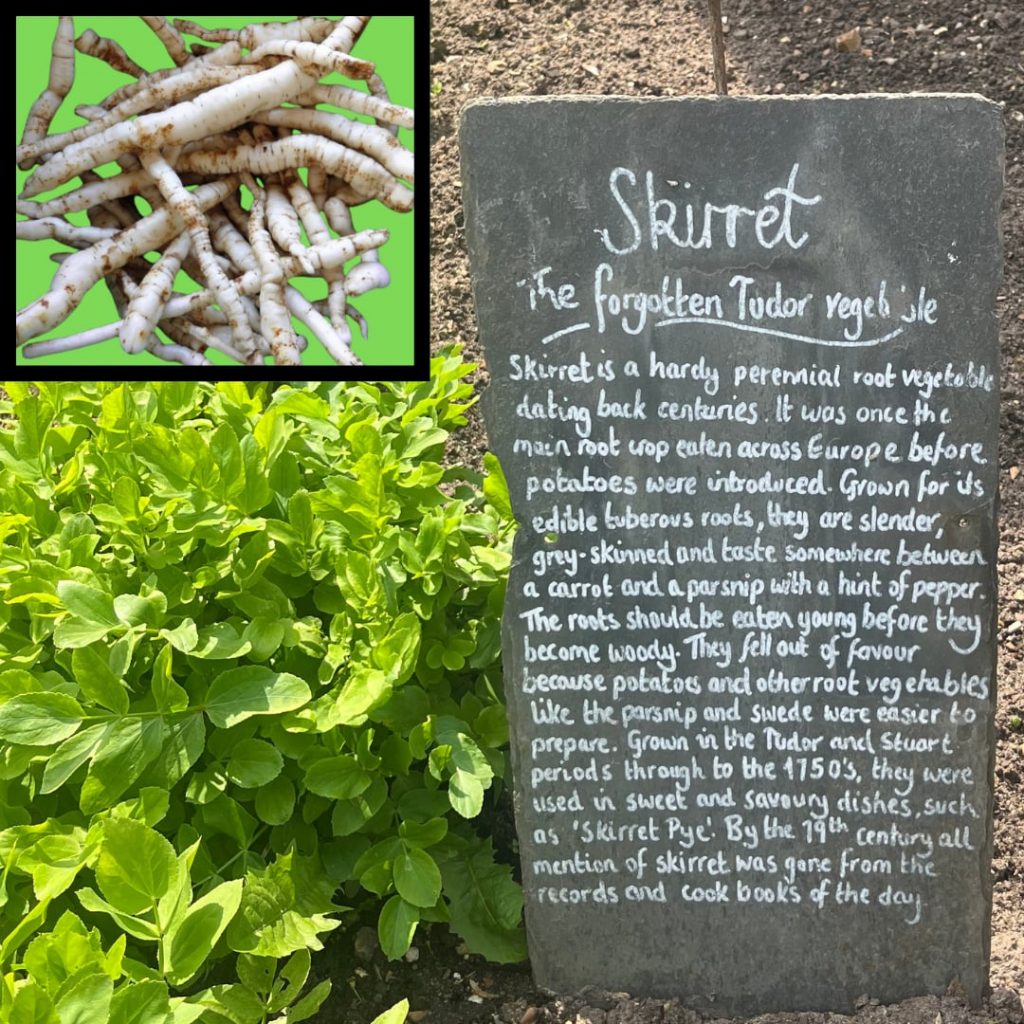
Sium sisarum – Skirret Other common names: crummock, jellico
Skirret, a starchy root vegetable that belongs to the carrot family, was once a popular crop in Europe during Roman times. The Emperor Tiberius was particularly fond of it, and even demanded it as a tribute from the Germans. It was the main root crop eaten in Europe before the potato was introduced. Skirret has a unique taste between a carrot and parsnip and can be found in sweet and savoury dishes. The name “skirret” is derived from a Germanic origin meaning “sugar root”. However, despite its popularity in the past, skirret has faded from gardens and tables over time.
Skirret is a vegetable that is quite easy to grow once you know how. Unlike most of its relatives, it is a perennial plant that produces a bunch of roots, making it easy to lift and replant. Skirret can be grown from seed and produces a single “crown” consisting of several shoot buds around the base of a stem, with a cluster of roots attached. To form a clump made from several crowns, a crown can be divided easily. However, some of the roots in a cluster are not worth picking, so it’s best to dig up the clump, snip off the roots that are worth having, and replant.
Skirret roots can sometimes have a woody core that can’t be softened even after prolonged cooking. This issue is more common in young plants but may disappear as they grow older. It can also be caused by insufficient water during the growing period. Alternatively, it may be due to genetic factors that vary from plant to plant.
Another yield from skirret is the immature flower stems, which have a nice carroty taste when boiled or steamed. They are fairly substantial and produced in reasonable volume, but they are fast-growing and soon harden off, so if you want more than a brief harvest you will have to freeze some.
Skirret can be grown from crowns, but it’s not easy to obtain them. You either have to spend a lot of money or start from seed. Skirret is not easy to grow from seed because it needs a period of winter cold to germinate. If you’re planning to grow Skirret from seed, make sure you source current-year seed in the autumn and stratify it right away. The seed loses viability quickly, like many plants in the Apiaceae family.
In the world of gardening, there’s a practice that has been gaining traction for its natural and effective approach to cultivating healthier and more productive vegetable gardens. It’s called companion planting, and it’s changing the way we grow our food. Understanding and implementing companion planting could be a game-changer.
What Is Companion Planting?
Companion planting is an age-old gardening practice where different plant species are grown close together to benefit one another. This technique not only maximises space but also helps to enhance growth, improve flavour, and protect plants from pests. It’s like having a best friend in your garden who always has your back.
Benefits of Companion Planting
One of the primary benefits of companion planting is pest control. Certain plants naturally repel pests that would otherwise ravage their neighbours. For example, marigolds release a chemical that deters nematodes, while basil can ward off mosquitoes and flies. By strategically placing these plants together, you create a natural barrier.
Another significant advantage is improved plant growth. Some plants release chemicals through their roots that can stimulate faster growth in their companions. Additionally, taller plants can provide shade for sun-sensitive species, and deep-rooted plants can bring up nutrients from lower soil layers, making them available to shallow-rooted neighbours.
Companion planting also promotes biodiversity. Having a variety of plants in your garden creates a more resilient ecosystem, helping to prevent diseases and pest infestations from spreading rapidly. It fosters a balanced environment where beneficial insects thrive and pollinate flowers, leading to a more productive garden.
How Does Companion Planting Work?
Companion planting works through a combination of physical, chemical, and biological interactions between plants. Understanding these interactions can help gardeners make informed decisions about which plants to pair together.
Physical Interactions
Physical interactions involve the structural benefits that plants can provide to one another. For instance, tall plants like corn can act as natural trellises for climbing beans, while low-growing ground covers like nasturtiums can protect the soil from erosion and suppress weed growth.
Chemical Interactions
Chemical interactions occur when plants release substances through their roots or leaves that impact neighbouring plants. These substances can either inhibit or stimulate growth. For example, the roots of sunflowers exude allelopathic chemicals that suppress the growth of nearby plants, while beans release nitrogen into the soil, enriching it for other plants.
Biological Interactions
Biological interactions encompass the relationships between plants and other organisms in the garden, such as insects, fungi, and bacteria. Flowers like calendula attract predatory insects that feed on aphids, while legumes host nitrogen-fixing bacteria in their root nodules, which benefit neighbouring plants by increasing soil fertility.
Aliums (Alliums)
Alliums, including garlic, onions, and leeks, are excellent companions for many vegetables. They can help deter pests such as aphids, spider mites, and carrot flies. Their strong scent confuses and repels these pests, protecting more vulnerable plants.
Garlic
Garlic is a powerhouse in companion planting. It can be planted alongside tomatoes to repel red spider mites and protect strawberries from fungal infections. Additionally, garlic’s sulphur compounds have antifungal properties that benefit many plants.
Onions
Onions are another allium that pairs well with a variety of vegetables. Plant them near carrots to help deter carrot flies, or next to beets to ward off aphids. However, avoid planting onions near legumes, as they can inhibit their growth.
Leeks
Leeks are effective companions for celery and carrots. They can help reduce pests like carrot root fly and leek moth. When planting leeks, ensure they have enough space to grow without crowding their neighbours.
Brassicas (Brassica)
Brassicas, such as cabbage, broccoli, and kale, can benefit greatly from companion planting. They are prone to pests like cabbage worms and aphids, but strategic planting can help mitigate these issues.
Cabbage
Cabbage can be protected from cabbage worms by planting it alongside dill, which attracts beneficial insects that prey on these pests. Additionally, planting cabbage with mint can help deter aphids.
Broccoli
Broccoli benefits from companions like rosemary and sage, which can repel cabbage loopers. Additionally, planting clover as a ground cover around broccoli can improve soil health by fixing nitrogen.
Kale
Kale is a favourite among many gardeners, but it can attract pests like aphids and flea beetles. Planting kale with marigolds or nasturtiums can help keep these pests at bay. Also, companion planting kale with beets can improve growth and flavour.
Cucurbits (Cucurbitaceae)
Cucurbits, including cucumbers, courgettes, and melons, thrive with the right companions. They are prone to pests like cucumber beetles and squash bugs, but companion planting can help address these issues.
Cucumbers
Cucumbers benefit from being planted near radishes, which can deter cucumber beetles. Additionally, planting nasturtiums near cucumbers can help repel aphids and squash bugs.
Courgettes
Courgettes can be protected from squash bugs by planting it alongside marigolds or tansy. These plants emit scents that confuse and repel the pests, keeping your zucchini safe.
Melons
Melons can benefit from companion planting with radishes and marigolds. Radishes deter cucumber beetles, while marigolds repel nematodes. Additionally, planting melons with beans can improve soil fertility.
Leaves and Salad Greens
Leafy greens like lettuce and spinach can benefit from companion planting. They are susceptible to pests like slugs and aphids, but strategic planting can help manage these issues.
Lettuce
Lettuce can be protected from slugs by planting it near chives or garlic. These alliums deter slugs and help keep your lettuce safe. Additionally, planting radishes near lettuce can help deter aphids.
Spinach
Spinach can be protected from pests like aphids and leaf miners by planting it alongside basil or nasturtiums. These companion plants help deter pests and improve the overall health of your spinach.
Legumes (Leguminosae)
Legumes, such as beans and peas, are excellent companions for many vegetables. They fix nitrogen in the soil, enriching it for other plants. Additionally, they can help deter pests like aphids and bean beetles.
Beans
Beans are versatile companions that pair well with a variety of vegetables. Plant them near corn to provide support for climbing beans, or alongside brassicas to improve soil fertility. Avoid planting beans near alliums, as they can inhibit each other’s growth.
Peas
Peas can be planted alongside carrots to help deter carrot flies. Additionally, planting peas with radishes can help deter aphids and improve soil health.
Roots (Root Vegetables)
Root vegetables, including carrots, beets, and radishes, can benefit from companion planting. They are susceptible to pests like root maggots and carrot flies, but strategic planting can help address these issues.
Carrots
Carrots can be protected from carrot flies by planting them alongside onions or leeks. These alliums emit scents that deter the pests and keep your carrots safe. Additionally, planting dill near carrots can attract beneficial insects.
Beets
Beets can benefit from companion planting with brassicas like broccoli or kale. These plants improve soil health and help deter pests. Additionally, planting beets with radishes can help deter aphids.
Radishes
Radishes are excellent companions for cucumbers and melons. They deter cucumber beetles and improve soil health. Additionally, planting radishes near lettuce can help deter aphids.
Solanaceae (Nightshades)
Solanaceae, including tomatoes, peppers, and potatoes, are some of the most popular garden vegetables. They can benefit greatly from companion planting, which helps manage pests and improve growth.
Tomatoes
Tomatoes can be protected from pests like aphids and whiteflies by planting them alongside basil or marigolds. These companion plants emit scents that deter pests and improve the overall health of your tomatoes.
Peppers
Peppers can benefit from companion planting with herbs like basil or oregano. These herbs help deter pests and improve growth. Additionally, planting peppers with beans can improve soil fertility.
Potatoes
Potatoes can be protected from pests like potato beetles by planting them alongside marigolds or nasturtiums. These companion plants help deter pests and improve the overall health of your potatoes.
Companion planting is a powerful tool for any gardener looking to create a healthier, more productive vegetable garden. By understanding the relationships between different plants and strategically placing them together, you can enhance growth, improve flavour and protect your crops from pests. Companion planting offers a natural and effective way to elevate your gardening game.
Start implementing companion planting in your vegetable garden today and watch your plants grow stronger together. Happy gardening!