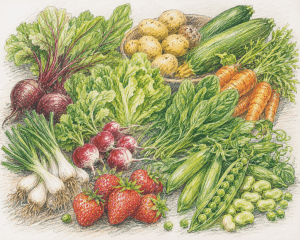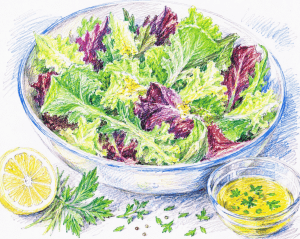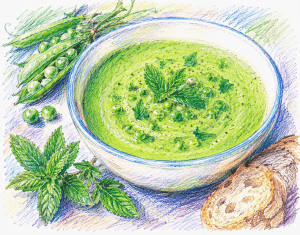
Recipe Garden Pots: Grow Your Own Vegetable Stir Fry

There is something particularly satisfying about cooking a meal made from vegetables grown just outside the door. A simple stir fry is one of the easiest ways to enjoy fresh produce, especially when the ingredients have been picked only moments before they reach the kitchen.

Many stir fry vegetables are surprisingly quick and easy to grow. Even a small garden bed, a raised planter or a few containers can provide a steady supply of tender leaves, shoots and peppers throughout the growing season.

The following plants are ideal for creating a fresh garden stir fry mix:

  • Leaf Salad Stir Fry Mix
  • Pak Choi ‘Chu Choi’
  • Pak Choi ‘Rubi’
  • Pea ‘Exzellenz’
  • Sweet Pepper ‘Bullhorn’
Stir Fry Garden Planter
Stir Fry Vegetable Planter

Most of these crops grow quickly and can be harvested several times, making them both practical and rewarding for home gardeners.


Sowing the Stir Fry Leaves

The leaf salad mix, pak choi and pea shoots can all be sown directly onto the surface of compost. This method is simple and works well in shallow trays, containers or small garden beds.

How to Sow

  1. Fill a tray or container with fresh compost and gently level the surface.
  2. Lightly water the compost so that it is evenly moist.
  3. Scatter the seeds across the surface. They can be sown fairly closely together as they will be harvested young.
  4. Press the seeds gently into the compost with your hand or a flat board.
  5. Cover very lightly with a thin dusting of compost or vermiculite.
  6. Water gently using a fine spray.

Place the container in a bright position and keep the compost lightly moist. Within a short time, small green shoots will begin to appear.

These tender leaves grow quickly and can be ready to harvest in only a few weeks.


Growing Pea ‘Exzellenz’ for Shoots

Peas grown for shoots are one of the easiest crops to raise. When sown densely in a tray, the young stems and leaves can be harvested as a sweet and delicate addition to stir fry dishes.

Allow the shoots to grow until they are around 10–15 centimetres tall before cutting.


Starting Sweet Pepper ‘Bullhorn’

Unlike the leafy crops, sweet peppers benefit from being started indoors.

Sowing Peppers

  1. Fill small pots with compost.
  2. Sow the seeds about 1cm deep.
  3. Place the pots in a warm, bright location such as a windowsill or greenhouse.
  4. Keep the compost lightly moist.

Once the seedlings have grown into young plants and the weather has warmed, they can be planted into larger containers or a sunny garden bed.

Peppers will take longer to mature than the leafy crops but reward patience with colourful, sweet fruits that bring both flavour and colour to a stir fry.


Harvesting Your Stir Fry Vegetables

One of the joys of growing leafy stir fry vegetables is how easily they regrow.

When harvesting:

  • Use scissors or snips to cut the leaves at the base of the stems.
  • Avoid pulling the whole plant from the soil.
  • Leave the roots in place so the plants can produce fresh growth.

With regular watering and good light, many of these crops will reshoot and provide several harvests.


A Simple Garden Stir Fry

Once your vegetables are ready, preparing a quick stir fry takes only a few minutes.

Ingredients

  • A handful of stir fry salad leaves
  • Pak choi leaves and stems
  • Pea shoots
  • 1 sweet pepper, sliced
  • A little garlic and ginger
  • Soy sauce or a splash of sesame oil

Method

  1. Heat a little oil in a pan or wok.
  2. Add garlic and ginger and cook briefly.
  3. Add the pepper and cook for a minute.
  4. Stir in the pak choi and pea shoots.
  5. Finish with the leafy greens and a splash of soy sauce.

Cook quickly so the vegetables remain bright and crisp.


A Garden Harvest Worth Savouring

Growing vegetables for a stir fry is wonderfully rewarding. With only a few trays of compost and a sunny corner, it is possible to enjoy fresh harvests again and again.

From the first tender shoots to the final peppers of the season, these crops bring both colour and flavour to the kitchen.

And when the vegetables have travelled only a few steps from garden to pan, the meal somehow tastes even better.

Further Reading: How to Start Your Own Vegetable PatchHow to Plan and Design Your Dream Vegetable PatchWhy Choose Sow It Grow It and Feast for Your Garden?How to Choose the Perfect Flower Pot for Your CropsRecipe Garden Pots: Grow a Pimm’s No.1 Garden in One Pot, Recipe Garden Pots: Grow a Green Risotto in One PotRecipe Garden Pots: Pizza in One Pot

Follow us on InstagramThreadsBlueSkyTwitterPinterest & Facebook

Recipe Garden Pots: Grow a Pimm’s No.1 Garden in One Pot

There are few drinks that capture the feeling of an English summer quite like a glass of Pimm’s. Light, refreshing and filled with garden flavours, it’s the perfect companion to long afternoons outdoors. With a little planning, you can grow many of the ingredients yourself in a single generous container.

Sketch of Pimms in a Pot
Pimms in a Pot

This Pimm’s No.1 Recipe Garden Pot brings together fragrant herbs, fresh fruit and edible flowers – all ready to harvest for a classic summer jug.


What you’ll need

  • 1 large pot (60cm or larger) with good drainage
  • Multi-purpose compost
  • A smaller pot for the mint
  • A warm, sunny position

Plants

  • Alpine strawberry Fragaria vesca
  • Borage Borago officinalis
  • Lemon tree Citrus × limon
  • Mint Mentha spicata
  • Cucumber ‘Bush Champion’ Cucumis sativus

Together these plants provide the fresh, aromatic flavours that bring a jug of Pimm’s to life – cooling mint, crisp cucumber, citrusy lemon and sweet strawberries, finished with the delicate blue flowers of borage.


Preparing the container

Choose a large container around 60cm across, deep enough to support the small lemon tree while leaving space for companion plants around the edges.

Fill the pot with fresh compost, leaving a small gap at the top to make watering easier.

This planting works best in a warm, sheltered spot with plenty of sunshine. The lemon tree in particular benefits from warmth, which helps the fruit ripen properly.


Planting your Pimm’s garden

Arrange the plants so each has room to grow while creating a lush, abundant display.

1. Start with the lemon tree

Place the lemon tree slightly off-centre towards the back of the pot. This gives the taller plant room while allowing the rest of the container to fill out around it.

2. Add the cucumber

Plant the bush cucumber ‘Champion’ nearby. This compact variety is well suited to container growing and will soon produce crisp cucumbers ideal for slicing into drinks.

3. Position the strawberries

Tuck the alpine strawberries around the edges of the pot. They’ll form a soft carpet of foliage and produce small, intensely flavoured berries through summer.

4. Plant the borage

Add a borage plant where it has space to grow upwards. Its star-shaped blue flowers are not only beautiful but make a traditional garnish for summer drinks.

5. Contain the mint

Mint is wonderfully fragrant but vigorous in growth. To prevent it from taking over the whole container, plant it inside a small pot first, then sink that pot into the compost.

This simple trick keeps the roots contained while still allowing you to harvest plenty of leaves.


Caring for the pot

A recipe garden thrives with steady care.

  • Water regularly, especially during warm weather
  • Place the container in a warm, sunny position
  • Feed occasionally with a liquid feed suitable for fruiting plants
  • Harvest herbs and fruit often to encourage fresh growth

The lemon tree will benefit from warmth and shelter, helping its fruit ripen fully through the season.


Harvesting your Pimm’s ingredients

As summer progresses, the pot will begin to offer a generous selection of ingredients:

  • Fresh mint leaves
  • Sweet alpine strawberries
  • Crisp cucumbers
  • Fragrant lemon slices
  • Decorative borage flowers

Each brings something distinctive to a refreshing glass of Pimm’s.


Classic Pimm’s No.1 recipe

Once your garden begins to produce, you’ll have everything you need for the perfect summer jug.

Ingredients

  • 1 part Pimm’s No.1
  • 3 parts lemonade
  • Sliced cucumber
  • Strawberries, halved
  • Lemon slices
  • A handful of mint leaves
  • A few borage flowers
  • Ice

Method

Fill a large jug with ice. Add the sliced cucumber, strawberries, lemon and mint leaves. Pour in the Pimm’s and top up with chilled lemonade. Stir gently and finish with a scattering of borage flowers.

Serve in tall glasses and enjoy slowly.


A pot that tastes like summer

This Pimm’s No.1 Recipe Garden Pot turns a single container into a small celebration of summer flavours. It’s decorative, productive and wonderfully practical – offering herbs, fruit and flowers just a few steps from the kitchen door.

Set in a sunny corner of the garden or on a warm patio, it quietly grows the makings of a perfect summer drink.

Further Reading: How to Start Your Own Vegetable PatchHow to Plan and Design Your Dream Vegetable PatchWhy Choose Sow It Grow It and Feast for Your Garden?How to Choose the Perfect Flower Pot for Your CropsRecipe Garden Pots: Grow a Pimm’s No.1 Garden in One Pot, Recipe Garden Pots: Grow a Green Risotto in One PotRecipe Garden Pots: Pizza in One Pot

Follow us on InstagramThreadsBlueSkyTwitterPinterest & Facebook

Recipe Garden Pots: Grow a Green Risotto in One Pot

There’s something deeply satisfying about stepping outside and gathering the ingredients for supper straight from the garden. Even in a small space, a single generous pot can hold a surprising abundance. This Green Risotto Recipe Garden Pot is designed to do just that – bringing together a collection of fresh summer vegetables and herbs that grow happily side by side and can be harvested for a bright, punchy risotto.

Sketch of Green Risotto in a pot.
Grow a Green Risotto in One Pot

With a little care, one container can become a miniature kitchen garden.


What you’ll need

  • 1 x 60cm pot with good drainage
  • Multi-purpose compost
  • A few bamboo canes for support

Plants

  • Basil
  • Broad bean ‘Sutton’
  • Courgette ‘Patio Star’
  • Dwarf runner bean ‘Hestia’
  • Garlic chives
  • Nasturtium Tropaeolum majus
  • Pea ‘Rondo’
  • Rosemary ‘Corsican Blue’
  • Shallot
  • Tomato ‘Green Zebra’
  • Thyme ‘Archer’s Gold’

Together these plants offer a generous mix of green vegetables, herbs and edible flowers, perfect for creating a flavourful summer risotto.


Preparing the pot

Choose a wide, sturdy pot around 60cm across. Containers of this size hold moisture well and give the plants enough room to thrive through the season.

Fill the pot with fresh multi-purpose compost, leaving a few centimetres at the top for watering. Give the compost a good soak before planting so it settles evenly.


Planting your risotto garden

The secret to a successful recipe pot is arranging plants so each has space and light.

1. Start with the centrepiece

Plant the courgette ‘Patio Star’ in the middle of the pot. This compact variety is ideal for containers and will soon produce tender courgettes perfect for slicing into risotto.

2. Add the taller crops

Around the back of the pot plant:

  • Tomato ‘Green Zebra’
  • Pea ‘Rondo’
  • Broad bean ‘Sutton’
  • Runner bean ‘Hestia’

Insert a few bamboo canes at planting time. Peas and tomatoes will need support as they grow, and it’s easier to add it now than later.

3. Fill the middle layer

Plant the shallot and garlic chives where they’ll receive plenty of sun but won’t crowd the larger plants.

4. Finish with the herbs

Tuck herbs and trailing plants around the edges:

  • Basil
  • Rosemary ‘Corsican Blue’
  • Thyme ‘Archer’s Gold’
  • Nasturtium

The nasturtium will spill gently over the side of the pot, softening the edges while adding peppery leaves and edible flowers.


Caring for the pot

Container gardens thrive with a little regular attention.

  • Water daily, especially during warm weather. Pots dry quickly and vegetables need consistent moisture.
  • Tie in peas and tomatoes as they grow to keep stems upright.
  • Harvest often, which encourages fresh growth.
  • Remove any faded leaves to keep the planting healthy.

With sunshine and steady watering, the pot will soon become a lively patchwork of greens.


Harvesting for your green risotto

As the season unfolds you’ll be able to gather an assortment of ingredients:

  • Sweet peas and broad beans
  • Tender courgettes
  • Fresh basil, thyme and rosemary
  • Fragrant garlic chives
  • Mild shallots
  • Zesty green zebra tomatoes
  • Peppery nasturtium leaves

Together they bring colour, freshness and depth of flavour to a simple risotto.


A pot full of summer

This Green Risotto Recipe Garden Pot shows how even a single container can provide a generous harvest. It’s a small garden with a purpose – herbs to pinch for cooking, vegetables to gather for supper, and flowers to brighten the edge of the pot.

Placed on a patio, balcony or doorstep, it becomes both a decorative planter and a working kitchen garden, quietly growing the makings of a summer meal.

Further Reading: How to Start Your Own Vegetable PatchHow to Plan and Design Your Dream Vegetable PatchWhy Choose Sow It Grow It and Feast for Your Garden?How to Choose the Perfect Flower Pot for Your CropsRecipe Garden Pots: Grow a Pimm’s No.1 Garden in One Pot, Recipe Garden Pots: Grow a Green Risotto in One PotRecipe Garden Pots: Pizza in One Pot

Follow us on InstagramThreadsBlueSkyTwitterPinterest & Facebook

The Three Sisters Method: Harmony in the Garden

Step into any traditional cottage garden and you may stumble across a trio of plants quietly working together in a way that feels almost magical. Tall stems, broad leaves, and dainty tendrils share the same patch of earth, creating a living tapestry of cooperation. This is the Three Sisters method—a beautifully simple, ancient technique for growing crops in partnership rather than isolation.

Beloved for generations, this approach offers a gentle reminder that nature is at its best when it works in harmony.

Three Sister Gardening Method.  Corn, Beans and Squash

What Is the Three Sisters Method?

The Three Sisters method is a traditional way of growing sweetcorn, climbing beans, and squash together in the same bed. Each plant plays a distinct role:

  • Sweetcorn grows tall, forming a natural support structure.
  • Climbing beans twine gracefully around the stems, fixing nitrogen into the soil.
  • Squash sprawls across the ground, shading the earth and keeping moisture where it’s needed.

Together, they create a mutually supportive ecosystem—three companions whose strengths complement one another beautifully.


How Did the Method Come About?

The method has its roots in indigenous horticultural traditions, where it developed over centuries through careful observation of how plants behaved in the wild. It offered a practical, resilient way to cultivate nourishing staples using minimal space and without the need for elaborate tools or structures.

Over time, the technique made its way into cottage gardens and kitchen plots across the world, where it was embraced for its simplicity, efficiency, and natural elegance. Today, it remains a favourite among gardeners who enjoy methods that feel both meaningful and grounded in history.


What Are the Benefits?

1. Natural Soil Health

Beans enrich the soil by adding nitrogen, supporting strong crops without extra feed.

2. Reduced Weeding and Watering

The spreading leaves of the squash act as a living mulch, helping to keep the soil damp and discouraging weeds.

3. Space-Saving and Productive

The vertical growth of the sweetcorn and climbing beans allows you to harvest generously even in smaller plots.

4. A Biodiverse Planting Style

The trio attracts a variety of wildlife—from pollinators to beneficial insects—supporting a thriving garden.

5. A Heritage Approach

It’s a method steeped in tradition, offering a sense of continuity with gardeners who have tended the land for countless generations.


Are There Any Disadvantages?

The Three Sisters method is highly rewarding, but it helps to be aware of a few practicalities:

  • Timing Matters
    Planting out of sequence can lead to beans searching in vain for support or squash overwhelming the space too early.
  • Not Ideal for Cold, Wet Summers
    Sweetcorn needs warmth to thrive, so in cooler climates, growth may be slower.
  • Squash Can Dominate
    Without a little guidance, squash plants may sprawl further than planned.
  • Requires Good Soil Preparation
    Although the plants support one another, they still benefit from a nutritious starting bed.

How to Grow Your Own: Step-by-Step

1. Prepare the Bed

Choose a sunny, sheltered spot with rich, well-drained soil. A circular or slightly mounded bed works especially well for this method.

2. Plant the Sweetcorn First

In late spring, once the soil has warmed, sow sweetcorn seeds in a small cluster—usually a circle of five to seven plants. This creates a sturdy, supportive framework.

3. Add the Climbing Beans

When the sweetcorn reaches around 15–20 cm in height, sow climbing beans around the base of each corn plant. They will begin to twist naturally up the stems.

4. Introduce the Squash

Finally, plant your squash at the outer edge of the bed. As it grows, encourage the vines to roam around the perimeter rather than through the centre, ensuring they don’t smother the sweetcorn.

5. Water Carefully

Water at the base, especially during dry spells. The squash leaves help retain moisture, but all three crops still appreciate a good drink while they establish.

6. Let Nature Take the Lead

Once the trio is settled, the system becomes remarkably low-maintenance. The sweetcorn stands tall, the beans entwine, the squash shelters the soil—and together they flourish.


A Celebration of Companionship in the Garden

There’s something genuinely uplifting about the Three Sisters method. It invites us to see gardening not as a battle against nature, but as a collaboration with it—a quiet partnership where every plant has a purpose.

Whether you’re cultivating a historic garden or simply tucking a few seeds into a raised bed at home, this time-honoured trio offers a delightful, abundant way to grow.

Further Reading: How to Start Your Own Vegetable PatchHow to Plan and Design Your Dream Vegetable PatchWhy Choose Sow It Grow It and Feast for Your Garden?How to Choose the Perfect Flower Pot for Your CropsThe Principles of Organic Gardening

Follow us on InstagramThreadsBlueSkyTwitterPinterest & Facebook

Space-Saving Vegetable Crops to Grow

Big Flavours from Small Spaces

Not everyone has sweeping lawns or rows of neat allotment beds. Yet even the smallest outdoor space — a snug patio, a sun-warmed balcony, a modest garden edged by brick and fence — can become richly productive.

Growing space-saving vegetable crops is not about compromise. It is about clever abundance. Compact in habit yet generous in yield, these varieties allow you to grow your own produce in small spaces across the UK, transforming overlooked corners into edible landscapes. With thoughtful planting, every pot, raised bed and window box becomes an opportunity.

And there is something rather wonderful about stepping outside to gather supper from a place no larger than a doorstep.


A Different Way of Seeing Space

When space is limited, imagination becomes your greatest tool.

Small garden vegetables are often quicker to mature, easier to manage and surprisingly prolific. Many provide harvests over weeks rather than days. Others grow happily in containers, making them ideal for patios and courtyards. Some bring such colour and texture that they earn their place as ornament as much as crop.

A single sunny corner, tended well, can provide salads through summer, herbs for cooking and armfuls of homegrown flavour.


Leaves That Keep on Giving

If you are growing veg in a small garden, begin with leaves.

Lettuces, salad mixes and compact chard thrive in shallow soil and can be sown thickly in troughs or pots. Pick a few leaves at a time and they will respond with fresh growth, stretching your harvest across the season.

Peppery rocket and delicate mizuna flourish even in cooler weather, bringing brightness to spring lunches and autumn suppers. They ask only for light, regular watering and a little attention — a modest exchange for bowls brimming with freshness.

There is quiet satisfaction in cutting salad moments before it reaches the plate.


Courgettes, Considered

Courgettes have a reputation for taking over, but modern compact varieties are far better behaved.

Bush-forming plants sit neatly in large containers or raised beds, producing glossy fruits without sprawling across precious ground. Given rich compost, steady moisture and a sunny position, they reward you generously — their golden blossoms opening wide to visiting bees, their fruits swelling day by day.

In a small-space vegetable garden, one well-tended plant can supply weeks of summer cooking.


Growing Upwards

When the ground is scarce, look skywards.

Climbing peas and beans are among the best vegetables for small gardens because they make use of height rather than width. A simple frame of canes transforms a fence into a living wall. Slender stems reach upwards, flowers flutter in the breeze and pods follow in abundance.

Vertical growing does more than save space. It brings produce to eye level, making picking an easy pleasure and turning practical planting into something quietly beautiful.


Roots Beneath Your Feet

Not all abundance is visible.

Carrots, beetroot and radishes are wonderfully suited to compact beds and deep containers. Their seeds are small, their needs simple. Keep the soil light and free-draining, thin seedlings early and allow roots the space to swell unseen.

When lifted from the earth — brushed clean and sliced open — they offer colour as vivid as any flower border.


Pots of Fragrance

Herbs are perhaps the most rewarding crops of all for small spaces.

Basil basking in a sheltered corner, thyme trailing over terracotta, parsley bright against stone — these are plants that ask little yet transform everyday cooking. Many will thrive in containers and return year after year, making them among the most practical edible garden ideas for patios and balconies.

A few pots by the kitchen door can save repeated trips to the shop and bring unmistakable freshness to your table.


Tomatoes in Their Element

Few tastes rival a tomato warmed by the sun.

Patio and bush varieties are perfectly adapted to container growing, making them ideal for small gardens in the UK. With a sturdy pot, good compost and a bright, sheltered position, they will form neat trusses of fruit throughout summer.

Water at the base, support stems gently and watch as green globes turn to glowing red — each one a reminder that even limited space can yield extraordinary flavour.


An Allotment in Miniature

Space-saving vegetable crops encourage creativity.

A narrow path becomes a ribbon of spring onions. A sunny windowsill hosts trays of cut-and-come-again salad. A cluster of pots creates a layered tapestry of leaves, roots and fruits.

This is the beauty of growing veg in small spaces: it invites attentiveness. You notice changes more keenly. You tend more closely. And in return, the garden feels intimate — almost companionable.


Gentle Principles for Success

In smaller plots, care makes all the difference.

Feed your soil generously with compost so roots have richness to draw from. Water consistently, particularly in containers where moisture disappears quickly. Sow little and often for continuous harvests. Combine crops thoughtfully so that herbs, leaves and roots share space companionably.

Above all, pause to observe. A compact garden teaches patience and responsiveness — virtues as valuable as the harvest itself.


Make Every Inch Grow

A small garden need never feel limiting.

From crisp salad leaves to climbing beans, from fragrant herbs to sun-ripened tomatoes, space-saving veg crops to grow at home offer both practicality and pleasure. They help you grow your own produce in the UK without requiring sweeping borders or wide beds.

With care, imagination and a little sunshine, even the humblest corner can provide nourishment and delight.

And when you gather what you have grown — however modest the harvest — it feels anything but small.

Further Reading: How to Start Your Own Vegetable PatchHow to Plan and Design Your Dream Vegetable PatchWhy Choose Sow It Grow It and Feast for Your Garden?How to Choose the Perfect Flower Pot for Your CropsThe Principles of Organic Gardening

Follow us on InstagramThreadsBlueSkyTwitterPinterest & Facebook

Grow More, Spend Less: Money-Saving Vegetable Crops to Grow

There’s a gentle magic in growing your own vegetables — the slow unfurling of leaves, the first hint of flower, the quiet satisfaction of harvest. In a world where every penny counts, tending an edible patch becomes more than a hobby: it’s a way of reconnecting with the seasons, the soil and the simple joys of food you’ve nurtured yourself.

But growing your own doesn’t need to be an indulgence. With thoughtful choices, even the smallest garden can yield produce that helps reduce your weekly shop. These are the money-saving veg crops that reward patience with flavour, texture and abundance — the kinds of plants that keep on giving season after season.


A Garden That Pays Back

There’s something deeply satisfying about watching your investment — seeds, soil, compost and care — turn into dinner on the table. Certain vegetables offer especially generous returns:

  • they produce many meals from a small space,
  • they’re inexpensive to sow and grow,
  • they keep producing throughout the season, and
  • they store or preserve well into autumn and winter.

With these plants in your patch, you’ll make the most of every inch and every seed packet.


Leafy Greens: Quick, Crisp and Cost-Effective

Tender leaves are among the easiest crops to sow, nurture and harvest. Lettuces, spinach and mixed salad greens can be sown densely in beds or containers and harvested continuously.

Pick individual leaves as you need them, and your small patch will deliver salads all summer long. These quick-growing crops are kind to cash — a few seeds go a long way — and bring fresh vibrancy to meals straight from garden to plate.

Imagine stepping out each morning, clipping emerald leaves and watching them regrow again the next week.


Beans and Peas: Nature’s Little Yield Machines

Beans and peas are champions when it comes to giving back more than you give.

Tall vines clamber up supports, turning fences into leafy tapestries while producing numerous pods through June, July and beyond. Shell them for tender pods, blanch them for storage, or let them swell in stews — their versatility stretches a small seed investment into generous portions.

Because these crops enrich the soil with nitrogen as they grow, they also leave your garden in better shape for what comes next.


Root Veg: Substantial Crops from Humble Beginnings

Vegetables that grow beneath the surface — carrots, beetroots and turnips — are like buried treasure: small seeds rewarded with hearty roots.

They don’t demand much space or fuss, and a patch of well-tilled soil can yield bowls of crunchy goodness week after week. Many root vegetables will keep well in a cool corner of the kitchen or pantry, saving further on your weekly shop.

And because their flavour deepens with storage, they become even more valuable as the seasons turn.


Herbs: Tiny But Worth Their Weight in Gold

Pop a few herb plants into your patio pots or veg beds and you’ve unlocked a treasure trove of flavour that rarely needs topping up at the supermarket.

Parsley brushed with early morning dew, chives snipped over creamy eggs, or basil warmed by the summer sun — these are small plants with big impact.

Once established, many herbs will return year after year, or self-sow in corners of the garden, quietly gifting you more without effort.


Tomatoes and Peppers: Sun-Ripened Rewards

Nothing quite compares to a vine-ripened tomato, warm from the sun and bursting with juice. These delightful crops take a little attention — good compost, steady water and a sunny site — but their bounty can fill bowls and baskets throughout late summer.

Paired with peppers and other warm-loving edibles, they bring colour and richness to dishes cooked or fresh.

And when there are more than you can eat straightaway, they can be blanched, bottled or frozen for winter meals — stretching your harvest long after the plants rest.


Potatoes: Old Friends, New Savings

Potatoes are the quintessential money-saving crop: hearty, reliable and surprisingly easy to grow.

A small bed yields bags of tubers — floury or waxy, red or golden. They roast, mash, steam and bake, and because they store well in cool, dark conditions, their value only increases as the weeks go by.

From the first new potatoes of early summer to winter crops tucked away for Christmas lunch, these humble vegetables are a gardener’s faithful companions.


Make Every Seed Count

Growing your own vegetables isn’t just about savings — it’s about connection.

It’s the quiet pleasure of sowing a row of seeds in spring, the delight of first green shoots pushing through soil, and the pride in feeding family and friends from the earth you’ve tended. Even a modest space — a window box, a patio trough, a sunny border — can become a place of production, beauty and nourishment.

Here are a few gentle principles to help you keep costs down while yields rise:

  • Start small — grow what you’ll enjoy eating. A few well-chosen crops outshine a crowded bed of plants you never harvest.
  • Succession sowing keeps crops coming. Sow a little every few weeks rather than all at once.
  • Recycle and reuse. Containers, compost bags and plant supports have lives beyond the shop.
  • Savour and store. Some vegetables will keep you fed long after their growing season ends.

A Garden to Savour

In your patch of earth — whether generous meadow or tiny doorstep — lies the potential to grow food that delights and delivers. Every salad leaf, every shining root and every plump pod is a small triumph against the rising costs of life.

To grow your own veg is to become part of a tradition that is both practical and poetic: sowing for today, tomorrow and all the meals in between.

And in 2026, let your garden be more than a place of plants — let it be a place of savings, satisfaction and seasonal joy.

Further Reading: How to Start Your Own Vegetable PatchHow to Plan and Design Your Dream Vegetable PatchWhy Choose Sow It Grow It and Feast for Your Garden?How to Choose the Perfect Flower Pot for Your CropsThe Principles of Organic Gardening

Follow us on InstagramThreadsBlueSkyTwitterPinterest & Facebook

Vegetable Talk: Fun Facts and Growing Tips for Garden Enthusiasts

Ever wondered why carrots weren’t always orange, or whether eating them really improves your night vision? Vegetables have fascinating stories to tell, from their ancient origins to the quirky biology that makes them grow. Whether you’re planning your first vegetable patch or you’re a seasoned grower looking for inspiration, these fun facts and practical tips will give you a fresh appreciation for the humble veg.

The Colourful History of Carrots

Carrots haven’t always been the cheerful orange roots we know today. The first cultivated carrots were actually purple and yellow, grown thousands of years ago in what is now Afghanistan. It wasn’t until the 17th century that Dutch farmers bred the orange variety we’re familiar with, reportedly in honour of the House of Orange.

These vibrant vegetables are packed with beta-carotene, which your body converts into vitamin A—essential for maintaining healthy vision and supporting your immune system. While modern carrots come in a rainbow of colours including purple, red, yellow, and white, the orange variety remains the most popular worldwide.

Growing tip: Carrots prefer loose, well-drained soil free from stones. Sow seeds directly into the ground in early spring for a summer harvest, or in late spring for autumn crops. Thin seedlings to about 5cm apart to give roots room to develop properly.

Potatoes: From Andes to Everywhere

The potato has quite the journey behind it. Originating in the mountainous regions of southern Peru and northern Bolivia, potatoes were domesticated between 7,000 and 10,000 years ago. Today, there are approximately 5,000 species of potatoes worldwide, with 3,000 of these still found in the Andes.

In 16th-century France, potatoes were so highly valued they were used as currency. Initially, Europeans were suspicious of this strange tuber, but King Frederick of Prussia cleverly marketed them as a “royal vegetable,” transforming them from despised to desired almost overnight.

Potatoes contain a natural toxin called solanine—also present in tomatoes and aubergines—which is why it’s important to avoid eating green or sprouting potatoes. When stored and prepared properly, though, they’re one of the best sources of energy-rich carbohydrates with minimal fat.

Growing tip: Plant seed potatoes in early spring, placing them in trenches about 12cm deep with shoots facing upwards. As the plants grow, earth up the soil around the stems to protect developing tubers from light exposure, which causes them to turn green.

The Truth About Carrots and Night Vision

Despite what generations of parents have told their children, eating carrots won’t actually help you see in the dark. This persistent myth stems from World War II, when the British Royal Air Force spread the story that carrots—not radar technology—were responsible for their pilots’ remarkable accuracy during night raids. It was a clever piece of misinformation designed to hide their technological advantage from the Axis powers.

While carrots won’t give you superhuman night vision, they do support overall eye health thanks to their high vitamin A content, which helps maintain the health of your retina and prevents certain eye conditions.

Tomatoes: The Fruit That Thinks It’s a Vegetable

Here’s a fun fact that surprises many gardeners: tomatoes are botanically classified as fruits because they develop from the ovary of a flower and contain seeds.

Tomatoes are made up of 94.5% water and are packed with lycopene, a powerful antioxidant linked to numerous health benefits. They belong to the nightshade family, which also includes aubergines, potatoes, peppers, and chillies.

The Mighty Onion’s Ancient Legacy

Onions have been cultivated for so long that their exact origin is uncertain, though they likely come from Central Asia. In ancient Egypt, onions were so highly valued that traces were found in the eye sockets of Ramesses IV’s mummy, suggesting they played a role in burial rites. Egyptian workers building the pyramids were also fed onions to enhance their strength and endurance.

These pungent bulbs have been shown to help balance free radicals and antioxidants in the body, potentially benefiting conditions such as diabetes and osteoporosis. However, onions are toxic to dogs, cats, and many other animals, so keep them safely away from pets.

Interestingly, the leek—not the onion—became the symbol of Wales, though historical evidence suggests it was more likely spring onions that Welsh soldiers wore on their helmets to distinguish themselves from Anglo-Saxons during 7th-century battles.

Peas: From Luxury to Everyday Staple

In the 16th century, green peas were a delicacy enjoyed only by French and English elites. Today, they’re a common vegetable appreciated worldwide for their sweet taste and impressive nutritional profile. Peas are high in protein, fibre, and vitamins A, C, and K.

Here’s a botanical twist: while the pea itself is considered a vegetable, the pea pod is technically a fruit because it contains seeds within its flesh. Peas also played a crucial role in scientific history—Gregor Mendel’s 19th-century experiments with different pea varieties laid the foundation for our modern understanding of genetics, introducing concepts like dominant and recessive genes.

Peas are also high in vitamin B6, which is essential for producing dopamine and serotonin—the neurotransmitters that help regulate mood and promote feelings of wellbeing.

Growing tip: Sow pea seeds directly into the soil from March through to June. They prefer a sunny spot with well-drained soil. Provide support for climbing varieties using pea netting or twiggy branches. Water regularly during dry spells, especially when pods are forming.

Brussels Sprouts: Mini Cabbages with Big Benefits

Brussels sprouts are essentially miniature cabbages, belonging to the same cruciferous vegetable family. As their name suggests, they were cultivated in Belgium, where they became particularly popular in Brussels.

These tiny vegetables pack a nutritional punch. They’re high in fibre, vitamins C and K, and antioxidants, and have been linked to reduced inflammation and improved heart health. While they’ve historically had a mixed reputation among children (and adults), when properly prepared—roasted until crispy or sautéed with bacon—they’re genuinely delicious.

Growing tip: Sow Brussels sprout seeds in early spring for an autumn and winter harvest. They need a long growing season and prefer firm, well-drained soil. As plants grow tall, stake them to prevent wind damage. Remove yellowing lower leaves regularly to improve air circulation.

The Speedy Radish

Radishes are one of the fastest-growing vegetables you can cultivate, ready to harvest in as little as three weeks from sowing. They come in various colours and shapes, from the familiar small red globe variety to the long, white daikon radish popular in Asian cuisine.

Despite their quick growth and small size, radishes are packed with nutrients. They’re low in calories but high in vitamins C and B6, potassium, and magnesium. Their peppery flavour adds a delightful crunch to salads and sandwiches.

Growing tip: Sow radish seeds directly into the soil every two weeks from spring through to early autumn for a continuous harvest. They prefer cool weather and can bolt (run to seed) in hot conditions. Keep the soil consistently moist to prevent radishes from becoming woody or too spicy.

Beetroot: The Vegetable That Colours Your World

Beetroots have an unusual effect on some people: they can turn your urine pink. This harmless phenomenon, known as beeturia, occurs in approximately 10-14% of the population. It’s nothing to worry about and actually demonstrates how quickly your body processes the nutrients in beetroot.

These vibrant root vegetables are nutritional powerhouses, packed with folate, manganese, and nitrates. Research has shown that the nitrates in beetroot can improve blood flow and help lower blood pressure, making them popular among athletes looking to enhance performance.

Beetroot has been cultivated for over 4,000 years, initially for its leaves rather than its roots. Both the roots and leaves are edible and nutritious, so don’t throw away those leafy tops—sauté them as you would spinach.

Growing tip: Sow beetroot seeds from April through to July for harvests from summer through to autumn. They prefer well-drained, fertile soil in a sunny position. Thin seedlings to about 10cm apart. Harvest when roots are roughly the size of a cricket ball for the best flavour and texture.

Courgettes: The Prolific Summer Squash

Courgettes (known as zucchini in some countries) are a type of summer squash harvested while still immature. They’re incredibly productive—one plant can produce dozens of courgettes throughout the summer, sometimes overwhelming even the most enthusiastic gardener.

These versatile vegetables can be eaten raw or cooked, and they work wonderfully in everything from stir-fries to cakes. Courgettes are low in calories and rich in vitamins A and C, potassium, and antioxidants. The flowers are also edible and considered a delicacy in many cuisines.

Growing tip: Sow courgette seeds directly outdoors from late May or start them indoors in April. They need plenty of space—at least 90cm between plants—and appreciate rich, moisture-retentive soil. Water regularly and harvest fruits when they’re 10-15cm long for the best flavour. Regular harvesting encourages more production.

Sweetcorn: An Ancient Staple

Sweetcorn was domesticated approximately 9,000 years ago in what is now Mexico, where it was a staple crop for the Aztecs and Mayans. From there, it spread throughout the world, becoming a fundamental food source for countless cultures.

Each ear of sweetcorn typically has an even number of rows, usually 16, and is a good source of fibre, vitamins, and minerals. For the sweetest flavour, harvest and eat sweetcorn as soon as possible after picking—the sugars begin converting to starch immediately after harvest.

Growing tip: Sow sweetcorn seeds directly outdoors in late May or early June when the soil has warmed. Plant in blocks rather than rows to improve pollination. Each plant typically produces one or two cobs. Sweetcorn is ready when the tassels at the top of the cob turn brown and a milky liquid appears when you pierce a kernel.

Get Growing

These vegetables each have their own fascinating stories and growing requirements, but they all share one thing in common: with a bit of care and attention, you can successfully grow them in your own garden or allotment. Whether you’re drawn to the quick satisfaction of radishes, the abundant harvest of courgettes, or the long-term reward of Brussels sprouts, there’s a vegetable waiting for you to discover.

Why not start your growing journey today? Choose a vegetable that interests you, prepare a patch of soil, and experience the satisfaction of eating something you’ve grown yourself. You’ll gain a whole new appreciation for the vegetables on your plate.

Further Reading: How to Start Your Own Vegetable PatchHow to Plan and Design Your Dream Vegetable PatchWhy Choose Sow It Grow It and Feast for Your Garden?How to Choose the Perfect Flower Pot for Your CropsThe Principles of Organic Gardening

Follow us on Instagram, Threads, BlueSky, Twitter, Pinterest & Facebook

No Garden? No Problem. Discover the Joy of Bucket Gardening

For many of us, the dream of harvesting fresh, homegrown produce feels out of reach simply because we lack a sprawling garden or an allotment. But nature is surprisingly adaptable. You do not need acres of land or even a dedicated vegetable patch to enjoy the taste of a sun-warmed tomato or the crunch of a freshly pulled carrot.

If you have a balcony, a small patio, or even just a sunny doorstep, you have a garden waiting to happen. Growing crops in buckets is a fantastic, accessible way to connect with nature and put fresh food on your table. It is inexpensive, manageable, and perfect for beginners and seasoned growers alike. By turning simple containers into thriving micro-gardens, you can bring a little bit of the countryside to even the most urban environment.

Getting Started: Preparing Your Buckets

The beauty of bucket gardening lies in its simplicity. You don’t need expensive terracotta pots; standard 10 to 15-litre plastic buckets (often used for DIY or cleaning) are perfect. They are deep enough for roots to establish and durable enough to last several seasons.

Cleaning and Drainage

If you are repurposing old buckets, give them a thorough scrub with warm, soapy water to remove any residue. Hygiene is important to prevent disease from affecting your new crops.

The most critical step is drainage. Without it, your plants will drown. Take a drill with a standard bit (around 1cm diameter) and create 4-5 holes in the bottom of each bucket. If the bucket sits flush on the ground, drill the holes slightly up the side (about 2cm from the base) to create a small reservoir of water while allowing excess to escape.

Positioning Your Mini Allotment

Vegetables, like us, love the sun. Place your buckets in the sunniest spot you have. South-facing locations are ideal, as most crops require at least 6 to 8 hours of direct sunlight a day to thrive.

However, consider shelter too. Strong winds can dry out containers rapidly and topple tall plants. A spot near a wall or fence often provides the perfect balance of warmth and protection.

15 Vegetables Perfect for UK Bucket Gardens

Ready to plant? Here are 15 crops that flourish in containers in the UK climate, along with everything you need to know to grow them successfully.

1. Potatoes (Earlies)

There is nothing quite like the taste of a new potato boiled with mint and butter.

  • Quantity: 1 to 2 tubers per 15-litre bucket.
  • Sowing/Planting: Plant ‘First Early’ varieties from late March to mid-April.
  • Care: Place tubers on 10cm of compost at the bottom. As shoots appear, cover them with more compost (“earthing up”) until the bucket is full. Water heavily once flowers appear.

2. Bush Tomatoes

Choose ‘bush’ or ‘determinate’ varieties (like Tumbling Tom) which don’t need tall supports.

  • Quantity: 1 plant per bucket.
  • Sowing/Planting: Sow indoors in March; move buckets outside in late May or early June once the risk of frost has passed.
  • Care: Tomatoes are thirsty and hungry. Water daily in summer and feed with tomato fertiliser once the first fruits set.

3. Strawberries

A British summer staple that is incredibly easy to grow in pots.

  • Quantity: 3 to 4 plants per bucket.
  • Sowing/Planting: Plant runners in April or buy potted plants in May.
  • Care: Keep the compost moist but not waterlogged. As fruits develop, ensure they hang over the side of the bucket so they don’t rot on damp soil.

4. Chilli Peppers

Chillies love the heat and do well in the contained environment of a bucket.

  • Quantity: 1 plant per bucket.
  • Sowing/Planting: Sow indoors in February/March. Move outside only when it is very warm, usually mid-June.
  • Care: They need a long growing season. Feed with high-potash feed (like tomato food) when flowering begins.

5. Salad Leaves

Lettuce, rocket, and mixed leaves are perfect for “cut-and-come-again” harvesting.

  • Quantity: Sprinkle seeds thinly across the surface.
  • Sowing/Planting: Sow successionally (every 2 weeks) from March to September for a continuous crop.
  • Care: Water regularly. If they get too dry, they will bolt (go to seed) and taste bitter. Harvest by snipping leaves with scissors; they will grow back!

6. Radishes

The fastest crop you can grow—perfect for impatient gardeners!

  • Quantity: Sow seeds about 2-3cm apart. You can fit 10-15 in a bucket.
  • Sowing/Planting: February to August.
  • Care: They will be ready to eat in as little as 4 weeks. Keep well-watered to ensure they stay crunchy rather than woody.

7. Carrots

Choose varieties like ‘Chantenay’ or ‘Paris Market’ which are shorter and rounder, perfect for containers.

  • Quantity: 10-15 carrots per bucket.
  • Sowing/Planting: Sow directly into the bucket from April to July.
  • Care: Thin seedlings to about 5cm apart. Raising them off the ground in buckets is a great way to avoid the dreaded carrot fly.

8. Spring Onions

A space-saving crop that adds bite to your summer salads.

  • Quantity: Sow seeds 1cm apart; you can grow a nice bunch in one bucket.
  • Sowing/Planting: March to September.
  • Care: Very low maintenance. Just keep the soil moist and pull them up when they reach the size you prefer.

9. Beetroot

You can eat both the roots and the colourful leaves.

  • Quantity: 5 to 6 plants per bucket.
  • Sowing/Planting: Sow directly from April to July.
  • Care: Thin seedlings to 10cm apart. Harvest when they are golf-ball sized for the sweetest flavour.

10. Dwarf French Beans

Look for ‘dwarf’ varieties rather than climbers to avoid needing tall canes.

  • Quantity: 3 to 4 plants per bucket.
  • Sowing/Planting: Sow indoors in April or outdoors late May.
  • Care: Keep picking the pods! The more you harvest, the more the plant will produce.

11. Peas

Fresh peas are sweeter than anything you can buy. Choose dwarf varieties like ‘Kelvedon Wonder’.

  • Quantity: 6 to 8 plants per bucket.
  • Sowing/Planting: March to June.
  • Care: Use twiggy sticks for support. Pigeons love pea shoots, so you may need to cover them with netting until established.

12. Swiss Chard

Beautiful and productive, with stems in vibrant reds, yellows, and whites.

  • Quantity: 3 plants per bucket.
  • Sowing/Planting: March to July.
  • Care: Harvest the outer leaves first, allowing the centre to keep growing. They can often survive a mild winter to provide early spring greens.

13. Courgettes

A single plant can provide a glut of vegetables if you treat it right.

  • Quantity: 1 plant per bucket.
  • Sowing/Planting: Sow indoors in April; plant out end of May.
  • Care: These are hungry giants. Mix manure into your compost before planting and water copiously. Harvest fruits when small (10-15cm) for better flavour.

14. Aubergines

These need a particularly warm, sheltered spot (like a sunny brick wall) to fruit in the UK.

  • Quantity: 1 plant per bucket.
  • Sowing/Planting: Sow indoors January-March. Plant out June.
  • Care: Support the heavy stems with a cane. Feed weekly with high-potash fertiliser once flowers appear.

15. Spinach

Packed with nutrients and grows well in cooler weather.

  • Quantity: 4 to 5 plants per bucket.
  • Sowing/Planting: March to May, and again in August/September.
  • Care: Spinach prefers partial shade in the height of summer. Keep well-watered to prevent it from bolting.

Nurturing Your Bucket Garden

Once your seeds are sown and your seedlings planted, the main task is watering. Buckets hold less soil than the ground, meaning they dry out faster. On hot summer days, check your crops morning and evening. If the top inch of soil feels dry, give them a drink.

Feeding is also essential. Potting compost usually contains enough nutrients for about six weeks. After that, a weekly liquid feed (seaweed extract is excellent) will keep your plants healthy and productive.

Start today. Grab a bucket, some compost, and a packet of seeds. Even the smallest harvest connects you to the seasons and the simple joy of growing your own food.

Buy our Sow It Grow It and Feast! Grow Herbs here!

Find Grow your Own Christmas Lunch hereWhy Not Grow Your Own Chillies in 2026?A Guide to the Winter Salad Garden, Bring Life to Your Kitchen: Grow a Winter Window Sill Herb Garden

Follow us in Instagram for Daily Grow Your Own Inspiration 🌶

Bring Life to Your Kitchen: Grow a Winter Window Sill Herb Garden

As the days grow shorter and the frost begins to bite, enthusiastic gardeners often feel a sense of melancholy. The vibrant colours of summer fade, and the vegetable patch goes dormant. But just because the temperature has dropped outside, it doesn’t mean your green fingers need to hibernate. In fact, winter is the perfect opportunity to bring the garden indoors and create a thriving, aromatic sanctuary right on your kitchen window sill.

There is something deeply satisfying about bypassing the supermarket aisles and snipping fresh garnish from your own living pantry. We have all experienced the disappointment of buying a packet of herbs, only to find them wilting in the fridge drawer a day later. They lack punch, they lack vitality, and they often result in unnecessary waste.

Growing your own eliminates this frustration entirely. With the Sow It Grow It and Feast Grow Herbs collection, you can transform a simple ledge into a flourishing culinary haven. This comprehensive kit is designed to bridge the gap between the garden and the kitchen, ensuring you have access to vibrant, intense flavours throughout the darker months. Whether you are a seasoned horticulturist or a complete novice looking to reconnect with nature, cultivating herbs indoors is a rewarding journey that pays delicious dividends.

sowitgrowitandfeast.
Grow Herbs
Normally £55 Today £20

Your Complete Herb Garden Solution

Starting an indoor garden can sometimes feel daunting. Which seeds should you buy? What soil do they need? How long will they take to germinate? The Sow It Grow It and Feast collection removes these hurdles by providing ten robust plug plants. These aren’t seeds that require weeks of anxious waiting; they are established plants ready to settle into their new home on your windowsill or in containers.

Each of the ten varieties in this collection has been carefully selected for two specific reasons: culinary versatility and ease of cultivation. This ensures that even if you haven’t inherited a green thumb, you can still achieve magnificent results. You receive a diverse range of flavours that will inspire new recipes and breathe life into your winter cooking.

More Than Just Plants: A Guide to Success

One of the greatest barriers to gardening success is a lack of knowledge. We often buy a plant, water it occasionally, and hope for the best. This collection takes a different approach. It doesn’t just send you plants; it equips you with the skills to nurture them.

Included with your ten robust plants is an expertly crafted guidance booklet. Think of this not merely as a set of instructions, but as a comprehensive companion for your horticultural journey. It delves into the fascinating history behind each herb, exploring ancient medicinal uses that have been passed down through generations.

Beyond the history, the manual offers practical, hands-on advice. You will learn:

  • Essential care instructions to keep your plants vibrant.
  • Harvesting techniques that encourage new growth rather than damaging the plant.
  • Inspiring recipe suggestions to help you make the most of your harvest.
  • Planting guidance on how to create dedicated herb beds or adapt your plants for containers.

This knowledge transforms the act of gardening from a chore into a learning experience, allowing you to understand the needs of your plants and helping them flourish in a container environment.

Expert Support at Your Fingertips

Have you ever noticed a yellowing leaf or a drooping stem and wished you could ask an expert for advice? With this collection, you can. Your investment extends far beyond the initial unboxing.

Every collection comes with twelve months of exclusive access to an online support portal. This digital resource acts as your personal horticultural consultant. Throughout the year, you can log in to find expert advice, troubleshooting guidance for those tricky moments, and seasonal growing tips. This ensures that your herb garden doesn’t just survive the winter but reaches its full potential all year round. It is like having a head gardener in your pocket, ready to assist whenever you need a helping hand.

Why Your Kitchen Needs a Living Pantry

The difference between dried herbs, supermarket packets, and fresh-cut plants is night and day. When you harvest fresh herbs moments before using them, you preserve the essential oils and flavour compounds at their peak intensity.

Imagine the scene: you have a roast dinner in the oven. Instead of reaching for a jar of dried herbs, you step over to your window sill and pinch off sprigs of fresh rosemary. The scent fills the kitchen immediately—piney, woody, and fresh. Or perhaps you are making a simple pasta dish. A handful of vibrant, fragrant basil leaves, harvested seconds ago, can elevate a quick Tuesday night meal into something extraordinary.

This connection to your food changes the way you cook. It encourages experimentation. You might find yourself adding a sprig of thyme to a cocktail or scattering fresh chives over your morning eggs simply because you can.

A Therapeutic Escape

Gardening is about more than just the output; it is about the process. In a world that is often loud and fast-paced, tending to plants provides a quiet moment of calm. The simple act of watering, pruning, and checking on your herbs can be a peaceful escape from daily stresses.

Watching your ten plug plants establish themselves, grow new leaves, and turn towards the light offers a daily reminder of nature’s resilience. It is a slow, steady process that encourages mindfulness. In the depths of winter, having vibrant green life inside your home lifts the spirits and brightens the room. It is a small slice of nature that belongs entirely to you.

The Perfect Gift for Foodies and Gardeners

If you are looking for a thoughtful present, the Sow It Grow It and Feast collection is an inspired choice. It is a gift that keeps on giving, providing the recipient with months of fresh produce and a new hobby to enjoy.

To make it even more special, the collection includes a personalised message option. Whether it is for a birthday, a housewarming, or simply a treat for a loved one who enjoys cooking, you can add your own words to be included with the gift before dispatch. It also includes a gift voucher, adding an extra layer of value for the recipient.

Tips for Window Sill Success

While your guidance booklet will provide detailed instructions, here are a few quick tips to get you thinking about where your new herb garden will live:

  • Light is Key: Most culinary herbs crave sunlight. A south-facing window is usually the ideal spot, providing the bright light they need to produce those essential oils. If your windows are a bit dark, try to rotate the pots every few days so they grow evenly and don’t lean too heavily towards the glass.
  • Watch the Water: Inside a warm home, pots can dry out faster than you expect, but they also hate sitting in water. Check the soil with your finger before watering. If it feels dry an inch down, give them a drink.
  • Harvest Often: Don’t be afraid to use your herbs! Regular harvesting actually encourages the plants to become bushier and produce more leaves. Pinching out the tips is a great way to keep them productive.

Start Your Aromatic Journey

There is no need to wait for spring to get your hands in the soil. Transform your kitchen today with the Sow It Grow It and Feast Grow Herbs collection. With ten robust plants, a wealth of expert knowledge, and year-round support, you have everything you need to create a flourishing, fragrant display.

Experience the joy of growing your own food, reconnect with the rhythms of nature, and enjoy the unbeatable taste of fresh ingredients every single day. Your culinary creations will never taste the same again.

Buy our Sow It Grow It and Feast! Grow Herbs here!

Find Grow your Own Christmas Lunch here, Why Not Grow Your Own Chillies in 2026?, A Guide to the Winter Salad Garden

Follow us in Instagram for Daily Grow Your Own Inspiration 🌶

This year, don’t just cook Christmas lunch—grow it

The tinsel is packed away, the last mince pie has been eaten, and you’ve officially sworn off turkey sandwiches for at least another eleven months. But amidst the post-Christmas comedown, a thought might be taking root. What if, next year, that show-stopping roast potato or that vibrant Brussels sprout wasn’t just cooked by you, but grown by you?

Imagine the scene: It’s Christmas morning, 2026. The kitchen is bustling, but instead of battling the supermarket queues for the last bag of carrots, you step out into the crisp winter air of your garden. You pull fresh parsnips from the frost-kissed soil, snap stalks of sage, and harvest earthy potatoes that have never seen a plastic bag. This isn’t a scene from a period drama—it’s a very real possibility for your next festive feast.

Growing your own Christmas lunch is the ultimate culinary power move. It elevates the humble roast to something spectacular, brimming with flavour that shop-bought veg simply cannot match. Whether you have a garden plot or a few well-placed pots, planning your homegrown Christmas start now. Let’s explore how you can transform your garden into a festive larder.

Why grow your own festive feast?

Before we dig into the how, let’s talk about the why. Growing your own produce requires patience and effort, but the payoff is extraordinary.

Unbeatable flavour

Supermarket vegetables are often bred for uniform shape and long shelf life, not necessarily for taste. When you grow your own, you choose varieties renowned for their flavour. A carrot pulled from the ground hours before roasting has a sweetness and crunch that is miles away from the sweating, orange batons found in plastic bags.

A sustainable celebration

Christmas is notoriously wasteful, with mountains of packaging discarded every year. By growing your own, you drastically reduce your food miles and eliminate plastic packaging. It’s a gift to the planet as much as it is to your dinner guests.

The ultimate satisfaction

There is a profound sense of pride in serving a meal that you nurtured from seed to plate. It becomes a talking point, a story, and a tangible achievement. Plus, it’s a fantastic way to get the whole family involved in the months leading up to the big day.

Planning your planting calendar

Success in the garden is all about timing. You can’t wake up in November and decide to grow a Christmas lunch. It requires a bit of backward planning.

While nature dictates the exact schedule, generally speaking, you are looking at a spring and summer sowing schedule for a winter harvest.

If the idea of tracking sowing dates feels overwhelming, resources like our Sow It, Grow It and Feast! Grow Christmas Lunch Seed Pack are designed to take the guesswork out of the process. These kits often provide a curated selection of seeds specifically chosen for winter harvesting, ensuring you plant the right things at the right time.

Cheating your way to a head start

If you are new to gardening, or just want to ensure success, you don’t have to go it alone. The Sow It, Grow It and Feast! range offers an all-in-one solution that revolutionises the homegrown feast.

The Grow Christmas Lunch Seed Pack isn’t just a bag of seeds; it’s a mentorship in a box. It includes varieties hand-picked for the frosty season, robust care instructions, and access to a support group. It essentially holds your hand from germination to harvest.

Using a dedicated pack helps you avoid common pitfalls, such as choosing vegetable varieties that ripen too early or fail to withstand a British winter. It aligns your gardening practice with the natural growth cycles, helping you anticipate the needs of your plants.

A year-round gift

Starting a vegetable patch for Christmas often leads to a year-round obsession. Once you have tasted the difference of homegrown produce, it is hard to go back. The skills you learn growing parsnips apply to growing summer salads, autumn squashes, and spring peas.

By starting this journey, you aren’t just planning one meal; you are cultivating a lifestyle of health, sustainability, and connection to nature.

So, as you plan for the year ahead, make space in your diary (and your garden) for a new tradition. Grab a spade, pick up a seed pack, and get ready to sow, grow, and feast. Your future self—and your dinner guests—will thank you.

Find Grow your Own Christmas Lunch here

Follow us in Instagram for Daily Grow Your Own Inspiration 🌶